



Russia & Northwest Asia | Kazakhstan | Taraz
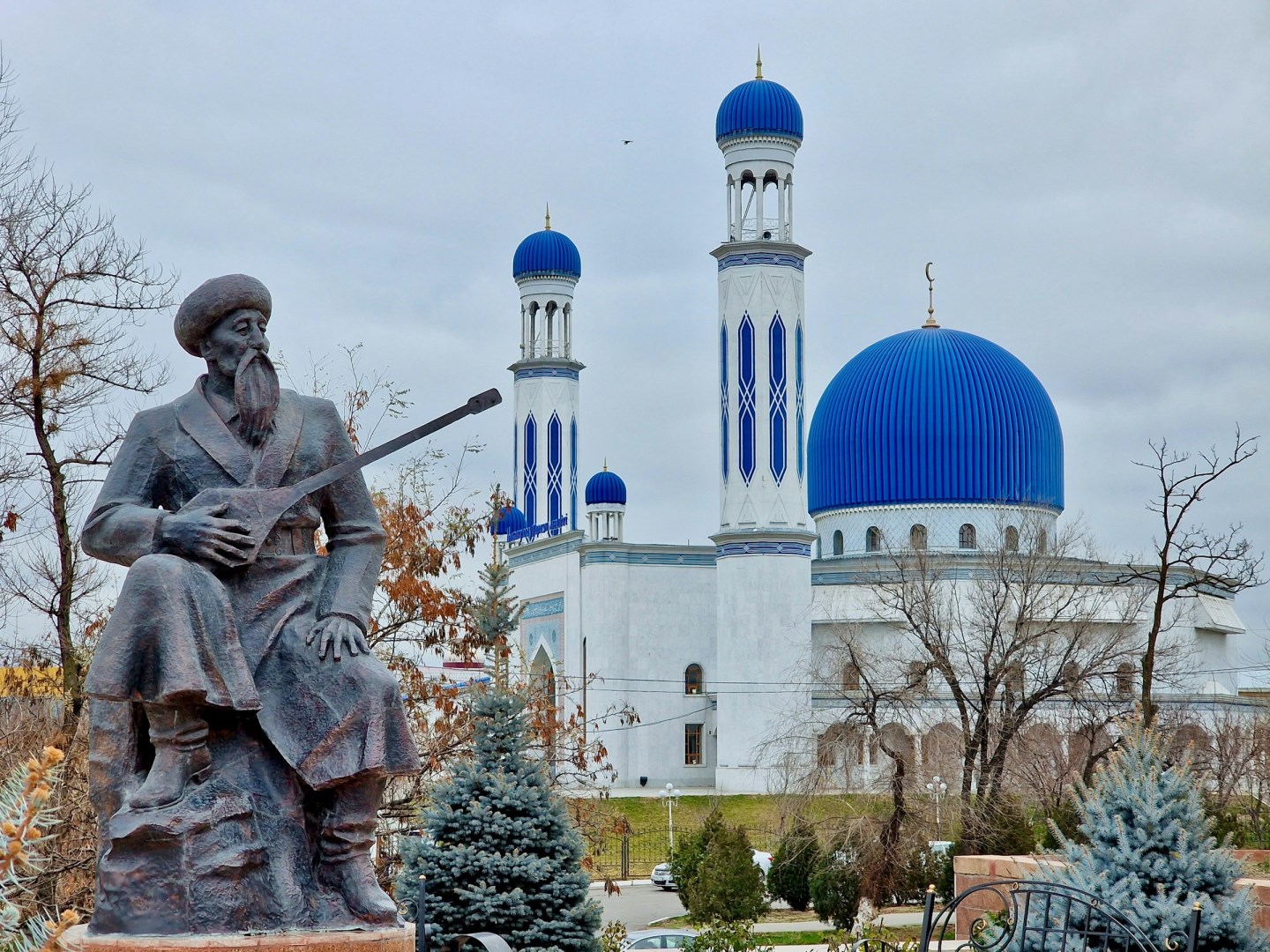
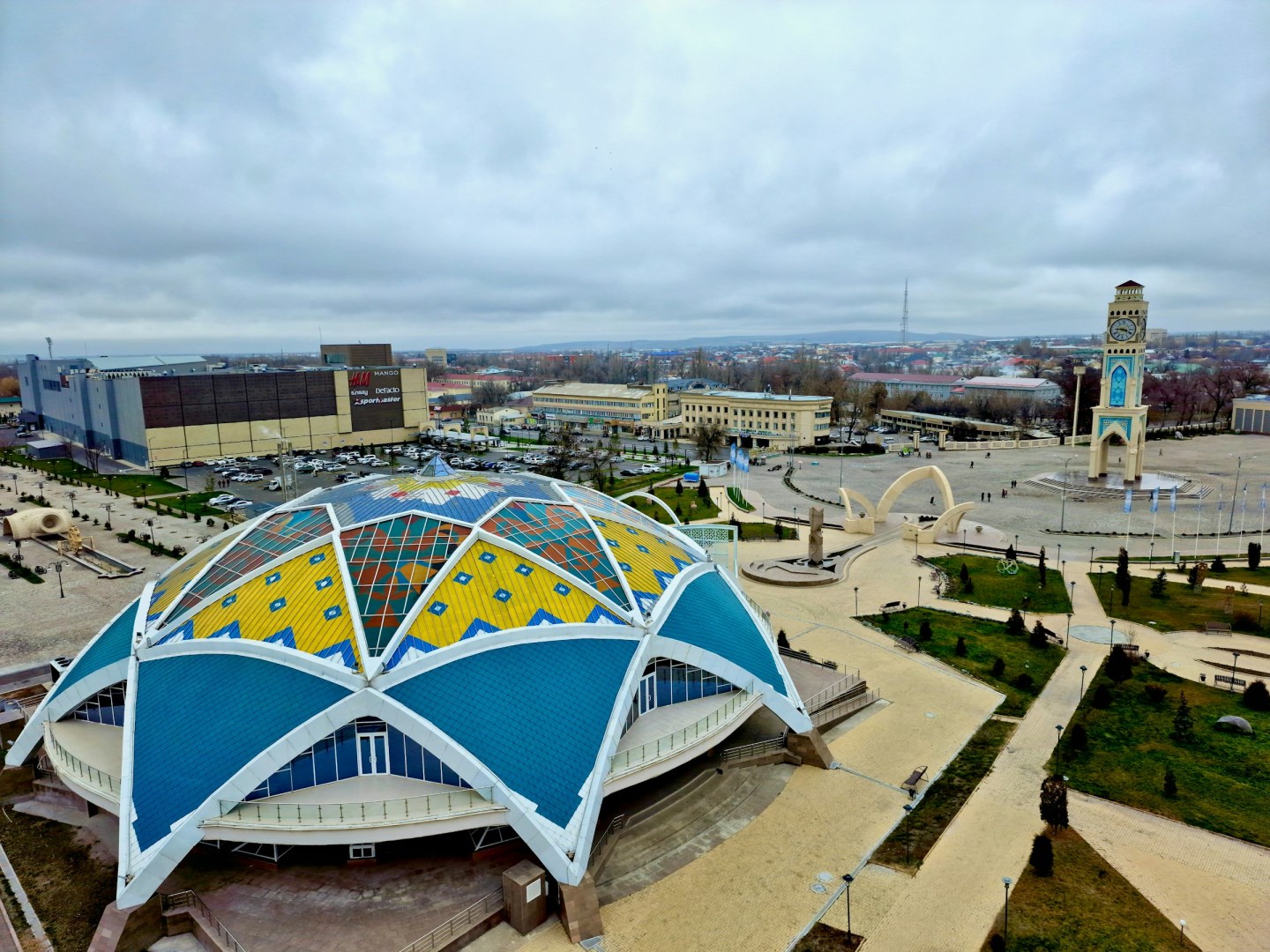


Taraz is a historic city in southern Kazakhstan, located in the Talas River valley near the Kyrgyzstan border. Its position along the routes linking Central Asia with China made it an important center of trade and settlement, and archaeological remains around the city reveal its long role as a regional crossroads. Today, Taraz combines modern urban life with mausoleums, archaeological parks, museums, and remnants of ancient settlements. The city is also the administrative center of Zhambyl Region and provides access to the cultural landscapes of the Talas valley and the nearby foothills of the western Tian Shan.
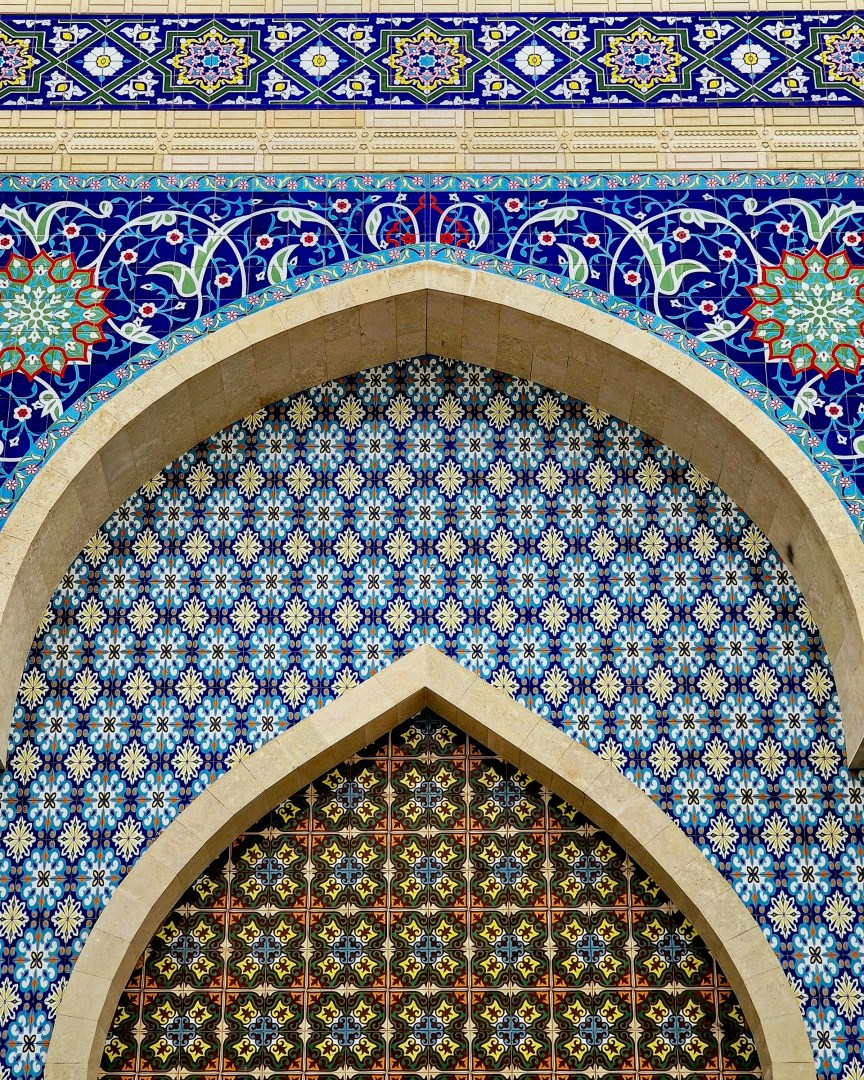
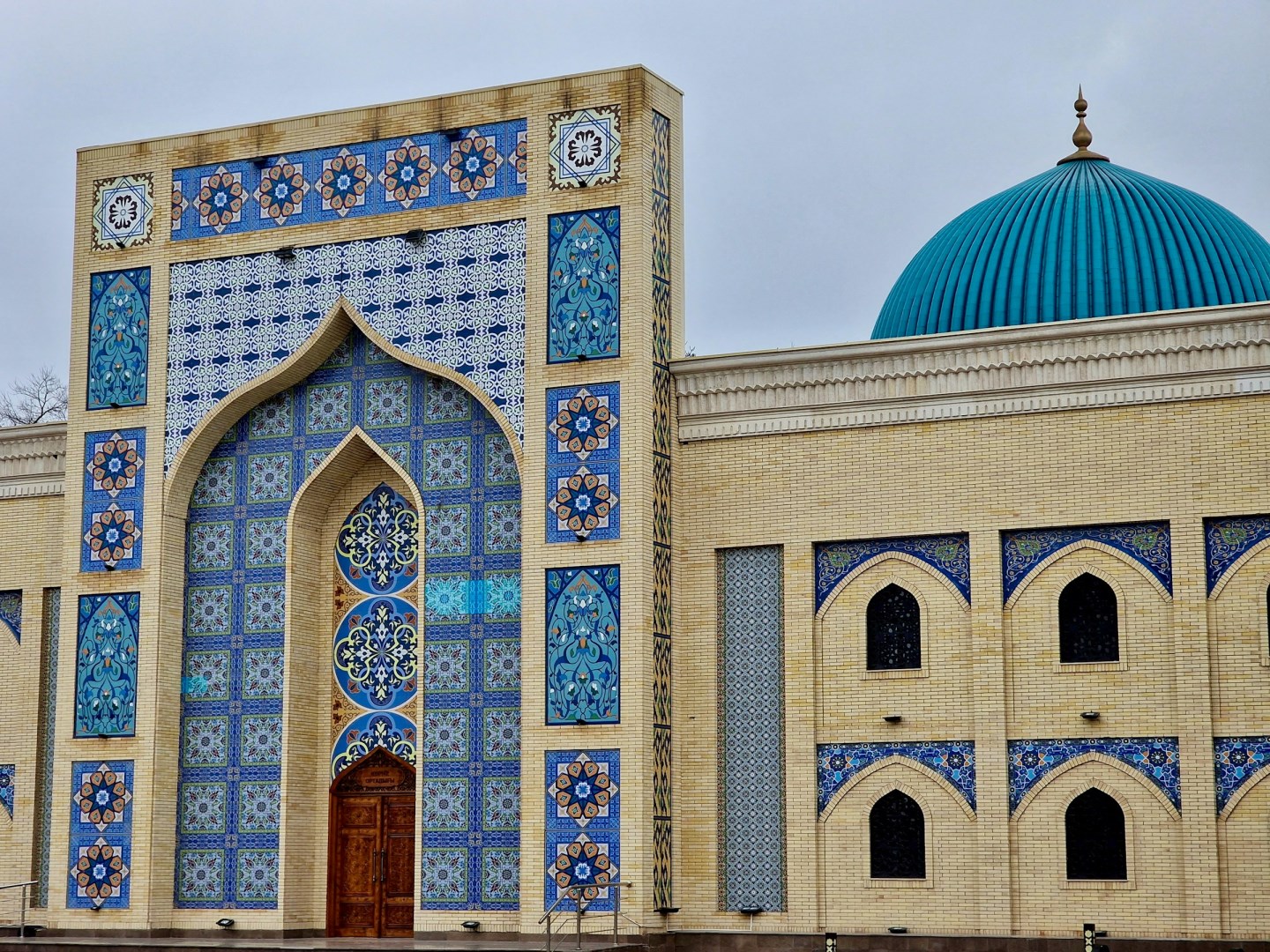
Taraz's cultural heritage is closely connected with the history of the Silk Roads. The city and surrounding area contain religious monuments associated with Islamic architecture and local traditions. The Mausoleum of Aisha Bibi is particularly notable for its exterior covered with intricate terracotta tiles featuring geometric and floral designs. Nearby, the Mausoleum of Babaji Khatun is distinguished by its unusual ribbed dome. The medieval settlement of Akyrtas, located outside Taraz, preserves the remains of a large stone complex whose purpose remains a subject of archaeological study. Museums in the city provide further context on the region's archaeological and cultural heritage.
Several sites around Taraz allow visitors to explore the area's archaeological landscape. The Ancient Taraz Archaeological Park contains excavated structures, streets, and artifacts from earlier settlements, while the Regional Museum presents collections covering archaeology, ethnography, and local history. The Aisha Bibi and Babaji Khatun mausoleums lie a short distance from the city and are among the region's most recognizable monuments. Further south, the Akyrtas archaeological complex occupies an open landscape near the foothills. The Talas River valley also provides views toward the mountains and connects Taraz with rural areas, agricultural land, and historic routes extending through southern Kazakhstan.
Food in Taraz reflects the traditions of southern Kazakh cuisine alongside influences from neighboring Central Asian communities. Beshbarmak, made with boiled meat and noodles, remains an important Kazakh dish, while kuyrdak, baursaks, and horse-meat products are also commonly associated with the regional table. The city's location in a fertile river valley supports the cultivation of fruits, vegetables, and grains, which appear in local markets and home cooking. Taraz is distinctive for the concentration of Silk Road archaeological sites around a modern city, allowing its historic trading heritage to be experienced alongside contemporary Kazakh food, markets, and everyday life.
Other Popular Destinations in Kazakhstan