

South Pacific | Micronesia | Weno
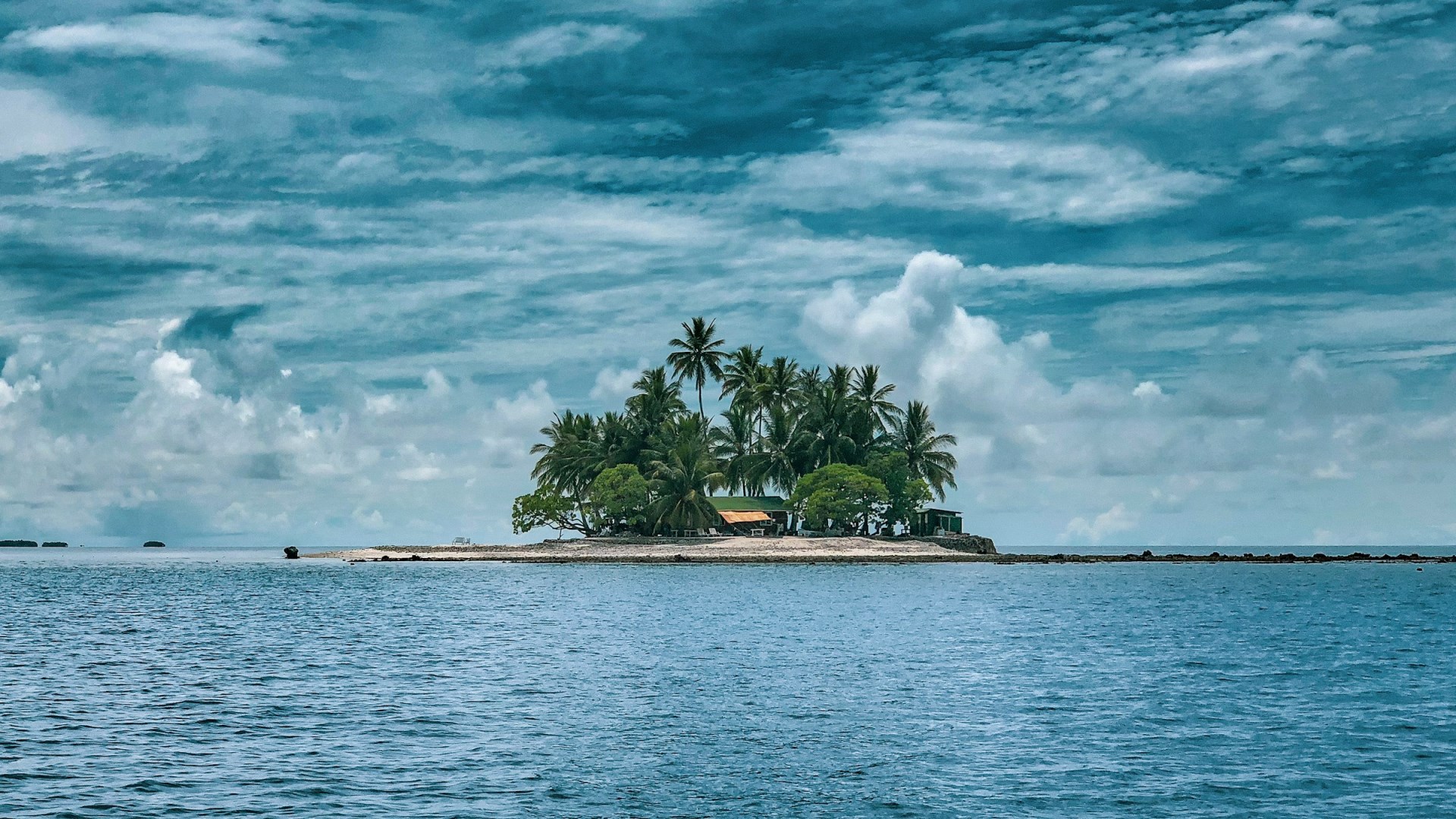
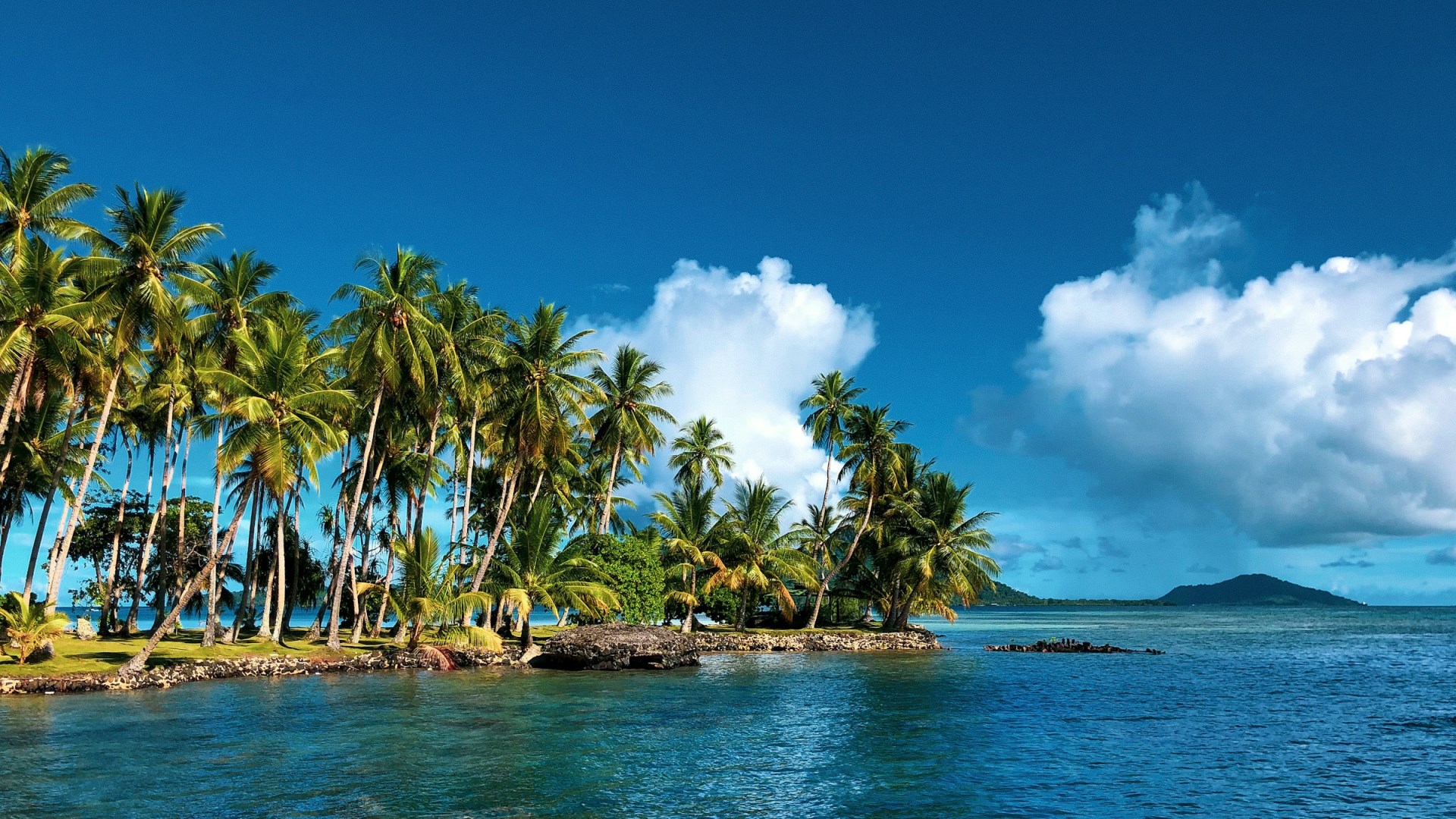
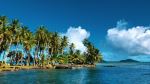
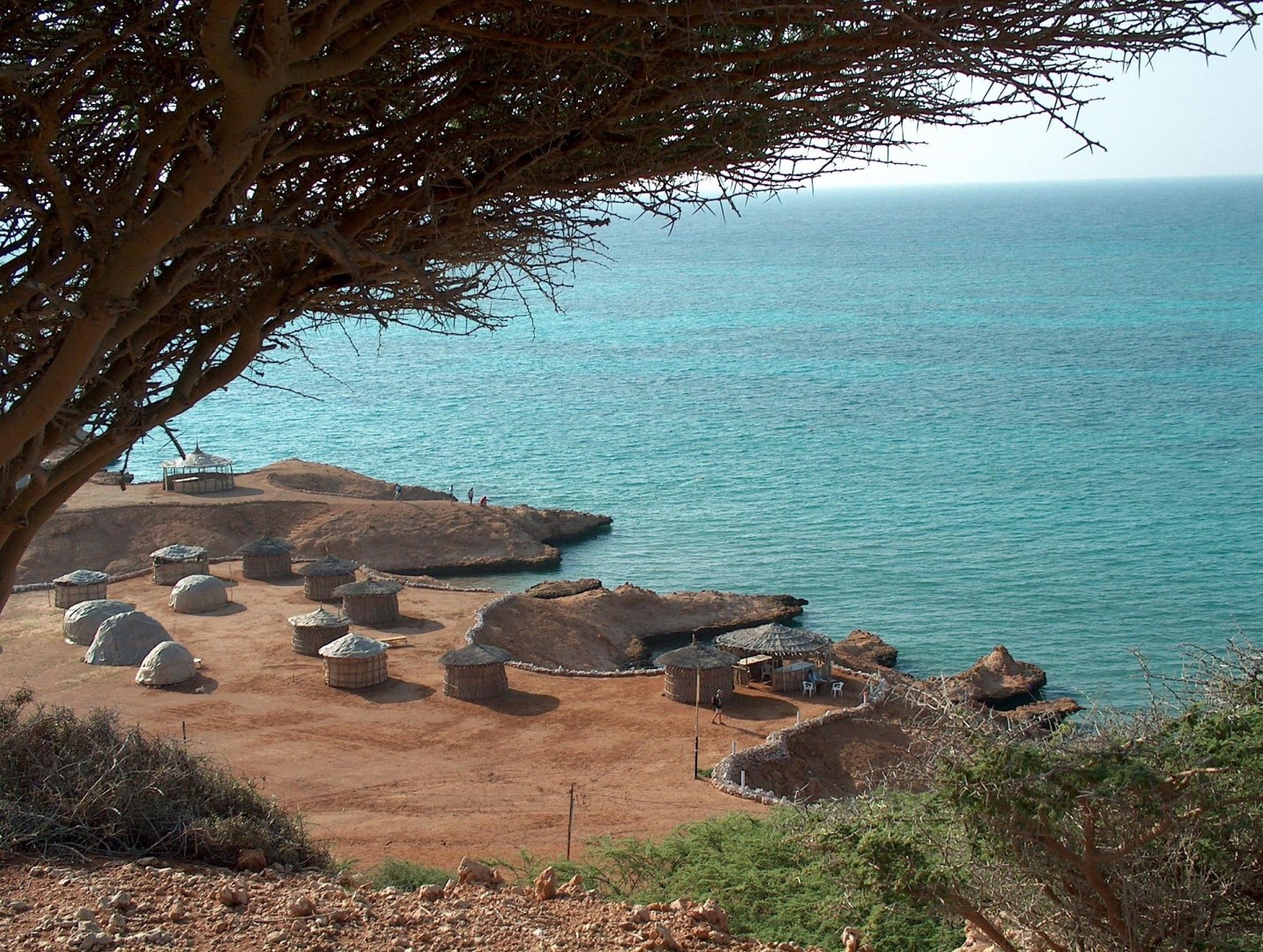
Weno is the largest island and administrative center of Chuuk State in the Federated States of Micronesia. It lies within the sheltered Chuuk Lagoon, a vast body of water enclosed by a surrounding reef and scattered with many smaller islands. Weno contains the state capital and serves as the main center for government, commerce, transportation, and services in the Chuuk Islands. Its landscape includes steep forested hills, coastal villages, mangrove areas, and narrow roads connecting communities. The island also provides access to the lagoon, whose sheltered waters are closely linked to daily life and the local economy.
Chuukese culture remains central to life on Weno, with extended families, community relationships, and customary practices playing important roles. Chuukese is the principal local language, while English is widely used in government and education. Traditional navigation and seafaring remain important elements of island heritage, reflecting the long relationship between Chuukese communities and the surrounding ocean. Christianity is also prominent, with churches found throughout Weno. Local celebrations often include communal meals, music, dancing, and other forms of community participation. Traditional knowledge of fishing, canoe use, and the lagoon continues to form part of the island’s cultural identity.
Weno is best known internationally for the waters of Chuuk Lagoon, which contain a large collection of shipwrecks from the Second World War. Divers can visit wrecks such as the Japanese submarine tender Shinkoku Maru, the cargo ship Fujikawa Maru, and the San Francisco Maru, where coral growth and marine life have developed around the submerged vessels. On land, Mount Tonaachaw rises above the island and provides views across the lagoon. Nearby attractions include caves, waterfalls, mangrove areas, and small offshore islands, while the lagoon’s reefs support a wide variety of tropical marine species.
Food on Weno reflects the resources available on a tropical Pacific island, with fish, coconut, breadfruit, taro, yam, and banana commonly used in local cooking. Fresh seafood is an important part of the diet, and breadfruit and root crops may be prepared in several traditional ways. The surrounding lagoon also supports fishing that contributes to household food supplies. One distinctive feature of Weno is the close connection between its populated hillsides and the enormous lagoon surrounding them. Boats remain an important means of reaching other islands in Chuuk State, linking Weno with communities scattered throughout the archipelago.
