



Australia & New Zealand | Australia | St Lucia
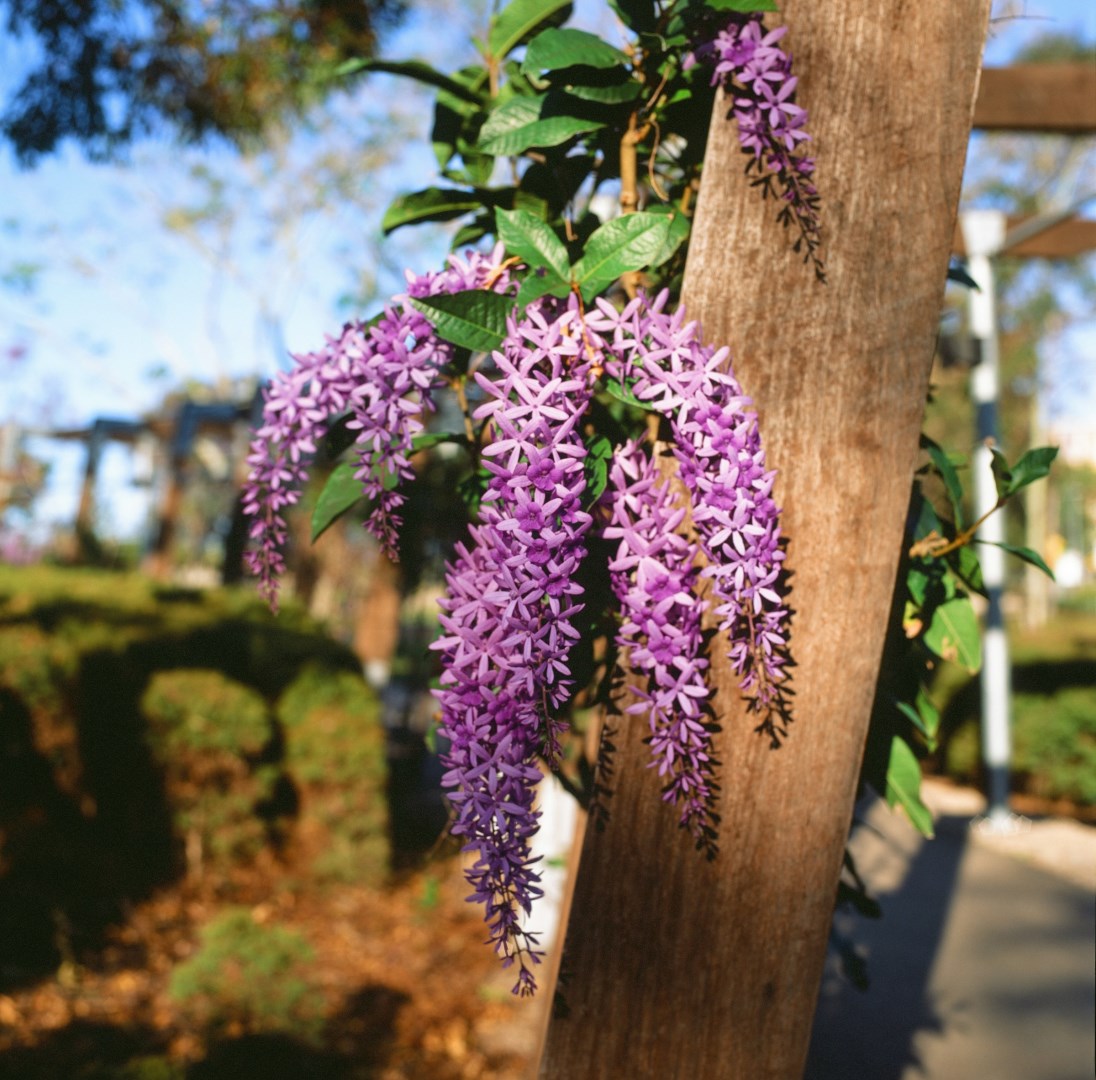
St Lucia is a riverside suburb of Brisbane, Queensland, located about seven kilometres southwest of the city centre on a peninsula surrounded on several sides by the Brisbane River. The suburb combines established residential streets, riverfront spaces, leafy vegetation, local shops, and the large campus of The University of Queensland. The university occupies much of the eastern part of St Lucia, while residential neighbourhoods extend across the western and central areas. Its position beside the river gives the suburb a distinct landscape within inner Brisbane, with walking paths, open lawns, gardens, and views across the water.
St Lucia developed from an agricultural district, with early farming followed by sugar production along the Brisbane River. The suburb takes its name from the St Lucia Sugar Plantation and estate associated with William Alexander Wilson, who had been born on the Caribbean island of Saint Lucia. The arrival of The University of Queensland transformed the area and established education as a central part of its identity. The university acknowledges the Traditional Owners of the land, including the Turrbal and Jagera peoples. Local heritage also survives in character homes, older streets, river transport sites, and former agricultural landscapes.
The University of Queensland’s St Lucia campus is the suburb’s principal landmark, covering 114 hectares beside the Brisbane River. Its heritage-listed Great Court is surrounded by sandstone buildings decorated with carved figures, plants, animals, and university symbols. The campus also contains UQ Lakes, museums, art collections, gardens, sporting facilities, and the John Oxley River Walk. Outside the university grounds, the Brisbane River provides opportunities for walking, cycling, rowing, and ferry travel. St Lucia Golf Links occupies part of the suburb’s western side, while nearby suburbs provide additional access to parks, shopping areas, and Brisbane’s inner-city attractions.
Food and daily life in St Lucia reflect its large university population and suburban setting, with cafés, casual restaurants, bakeries, and international food outlets concentrated around Hawken Drive and the university campus. Brisbane’s wider food culture adds Queensland produce, seafood, tropical fruit, and Australian café staples to the local mix. The suburb’s riverside environment also supports outdoor recreation, with rowing and other water-based activities connected to the university and Brisbane River. One distinctive detail is the close relationship between the suburb and its university: academic buildings, residential colleges, museums, sporting facilities, green spaces, and riverfront paths form a large part of St Lucia’s physical and cultural landscape.
Other Popular Destinations in Australia


