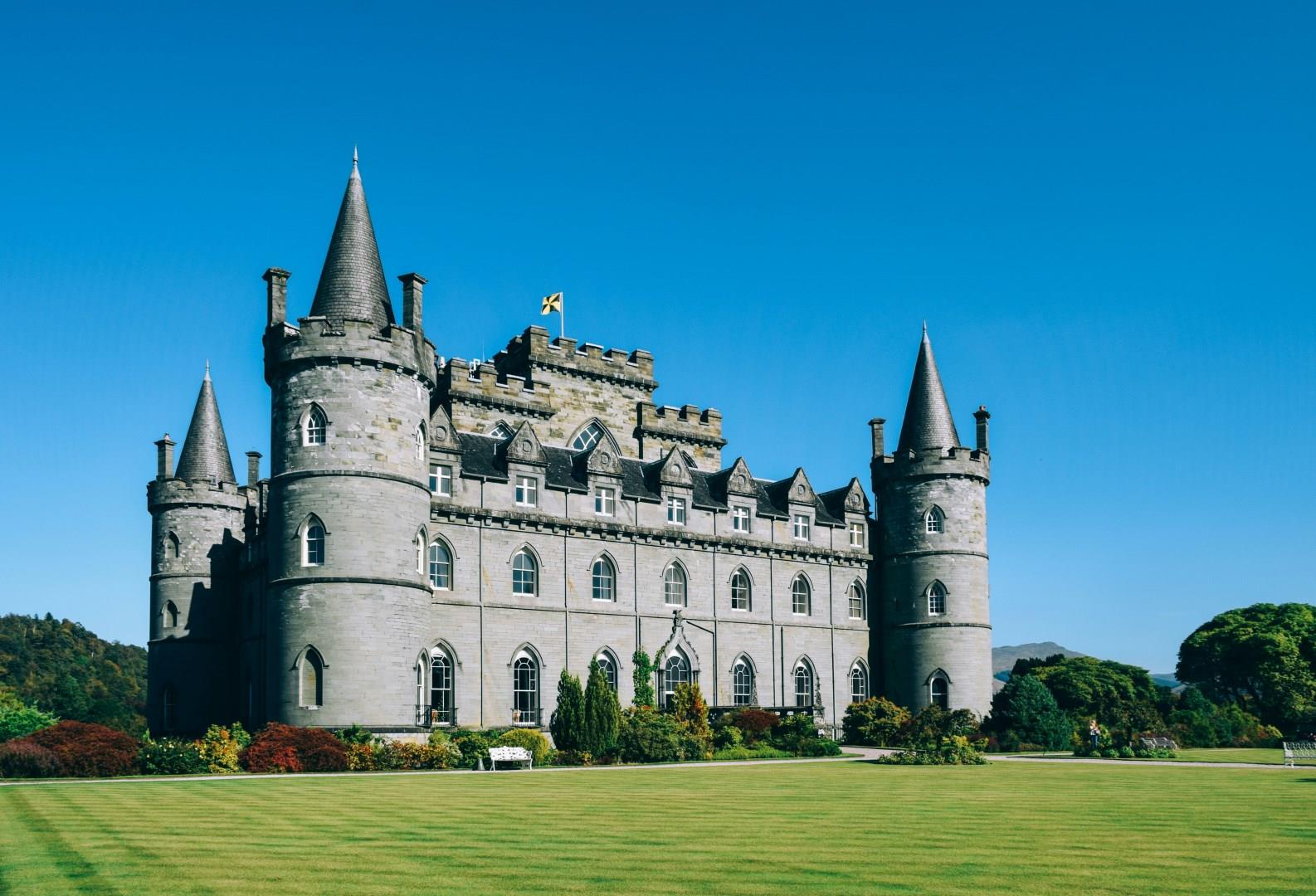
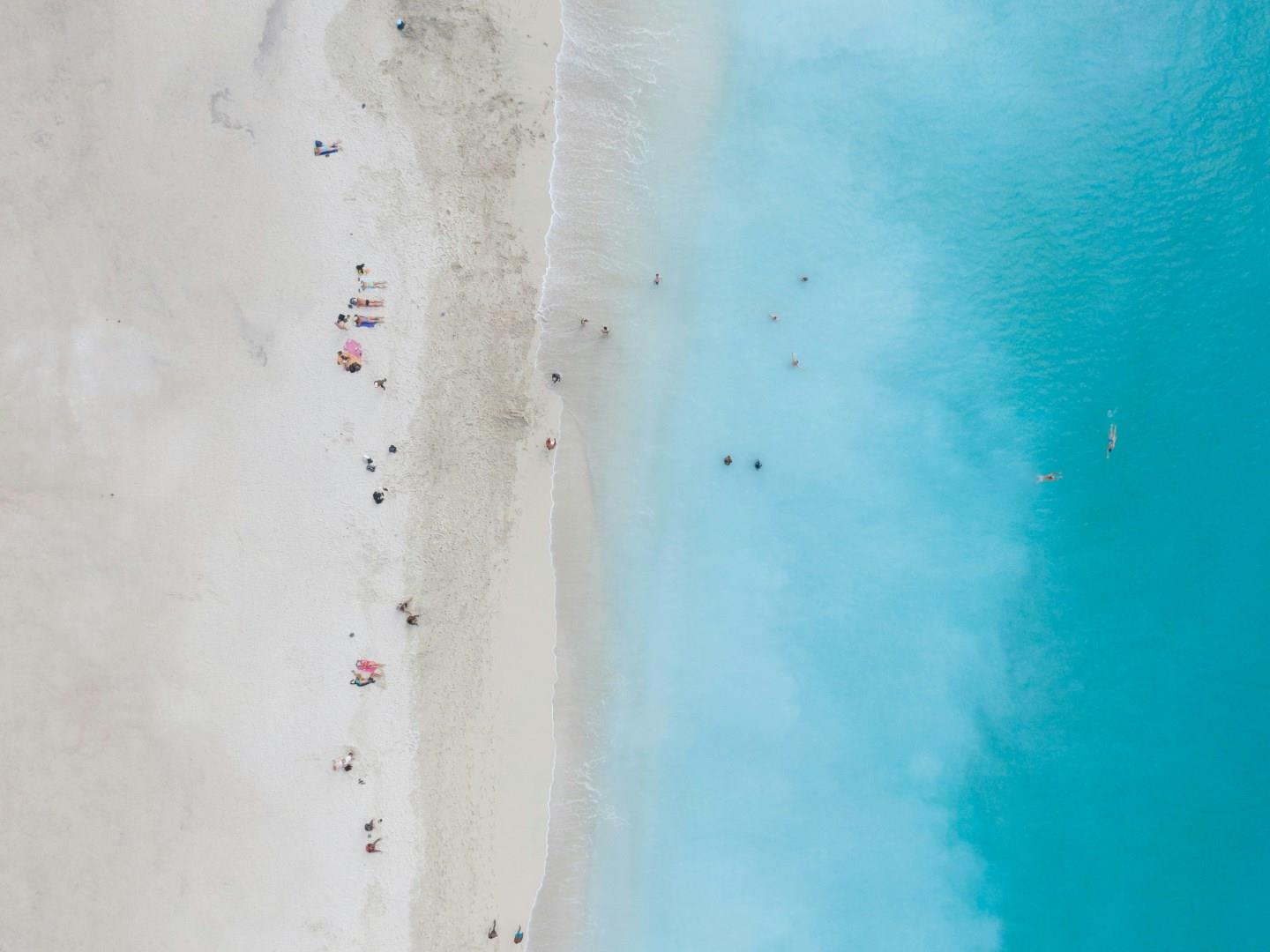
Inveraray, a small town on the western shore of Loch Fyne in Argyll and Bute, Scotland, offers visitors a glimpse into 18th-century planning and Highland heritage. Built largely in the mid-1700s under the direction of the 3rd Duke of Argyll, the town features Georgian architecture, wide streets, and an unusual level of symmetry for a rural Scottish settlement. The main street, lined with whitewashed buildings, leads down to the loch’s edge, where fishing boats and leisure vessels come and go.
Santa Cruz de La Palma is the capital of the island of La Palma, one of the seven Canary Islands. Although often forgotten in favor of the similarly named Santa Cruz de Tenerife, it is a compact and colorful colonial town well worth a visit. Swimming, paragliding, and hiking and some of the most popular daytime activities, while stargazing is a favorite pastime after the sun goes down.
Nestled in the Aburrá Valley and surrounded by the Andes mountains, Medellín offers a stunning backdrop for visitors and boasts a pleasant climate year-round, earning it the nickname "City of Eternal Spring."
Lake Garda, Italy's largest and most captivating lake, is a blend of natural beauty, rich history, and vibrant culture that makes it an irresistible destination for travelers. Surrounded by majestic mountains and lush Mediterranean vegetation, Lake Garda's azure waters sparkle under the sun, creating an idyllic backdrop for exploration and relaxation.
Antiquity is everywhere on the island of Rhodes, from its cobbled Old Town to a mighty acropolis presiding high over the town of Lindos. Ancient ruins recall Crusades-era occupation and Ottoman tyranny, but today, a rather magical Aegean lifestyle is predominant. Travelers will enjoy excellent food, picturesque beaches, buzzing nightlife, and snorkeling in clear waters.
Mindelo, on the northern coast of São Vicente Island, is Cape Verde’s cultural pulse. Its streets are lined with colorful colonial buildings, lively squares, and historic churches that echo the city’s maritime past.
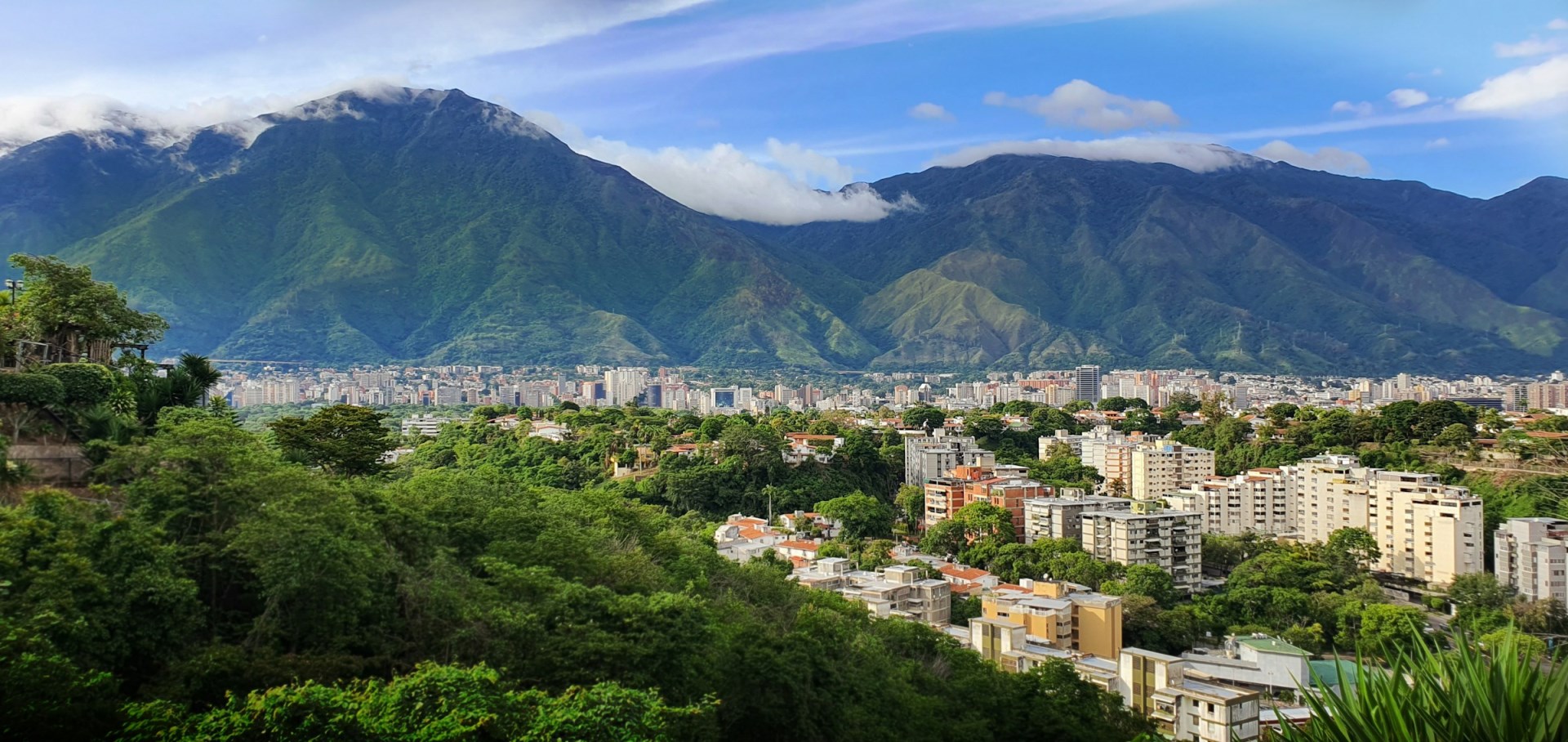
Caracas, (ke-rä´kes), located in Northern Venezuela, is the capital and largest city of Venezuela. An extremely cosmopolitan city, it is a major industrial center, shipping through the nearby Caribbean port of La Guaira. Caracas was founded in 1567 and was the base for Spanish colonization of Venezuela. It was the birthplace of the liberators Francisco de Miranda and Simón Bolívar. Caracas retains an old section, with many examples of colonial architecture. The oil boom of the 1950s made possible massive public building projects, transforming much of Caracas into an ultramodern metropolis famed for such futuristic complexes as University City and the Centro Bolívar government center. A cultural hub, the city is the site of a large performing arts center, three orchestras, an opera, a ballet, and three major art museums.
Other Popular Destinations in Venezuela
Barcelona
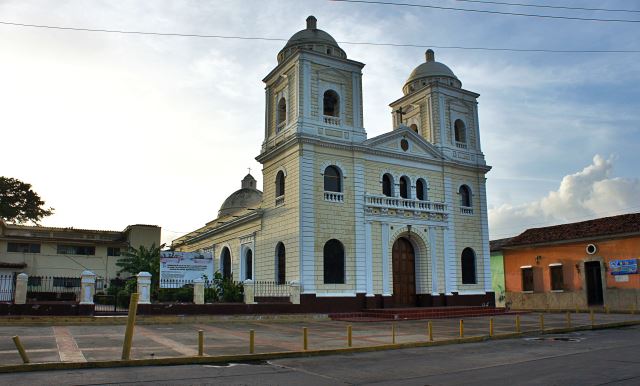
Barcelona is the capital of Anzoátegui state in northeastern Venezuela, situated a short distance inland from the Caribbean coast and connected closely with neighboring Puerto La Cruz.
Ciudad Guayana
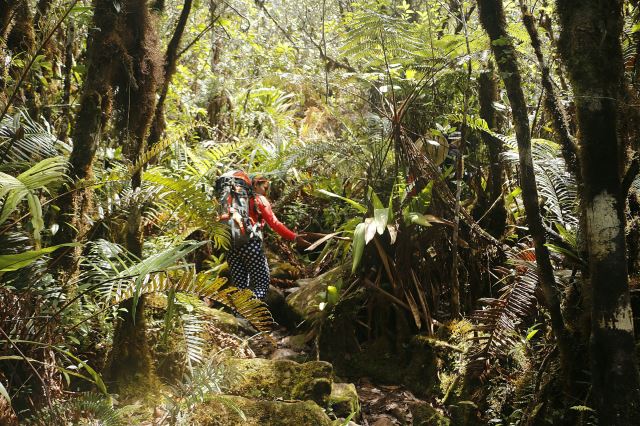
As you cruise along the Orinoco, South America's second-longest river, you will pass an imposing 17th-century fort. Just up the river is Ciudad Guayana, your gateway to Angel Falls. The falls, discovered 60 years ago by American bush pilot Jimmy Angel, are the hightest in the world. More than a half-mile hight and 15 times taller than Niagara Falls, they are undoubtedly one of the world's most breathtaking natural wonders.