Slovakia is a country shaped by mountains, castles, and centuries of shifting borders. Tucked in the heart of Europe, it offers visitors a chance to explore medieval towns, alpine peaks, and deep-rooted traditions still practiced in daily life. Bratislava, the capital, sits along the Danube River and is one of the few national capitals that borders Austria and Hungary.
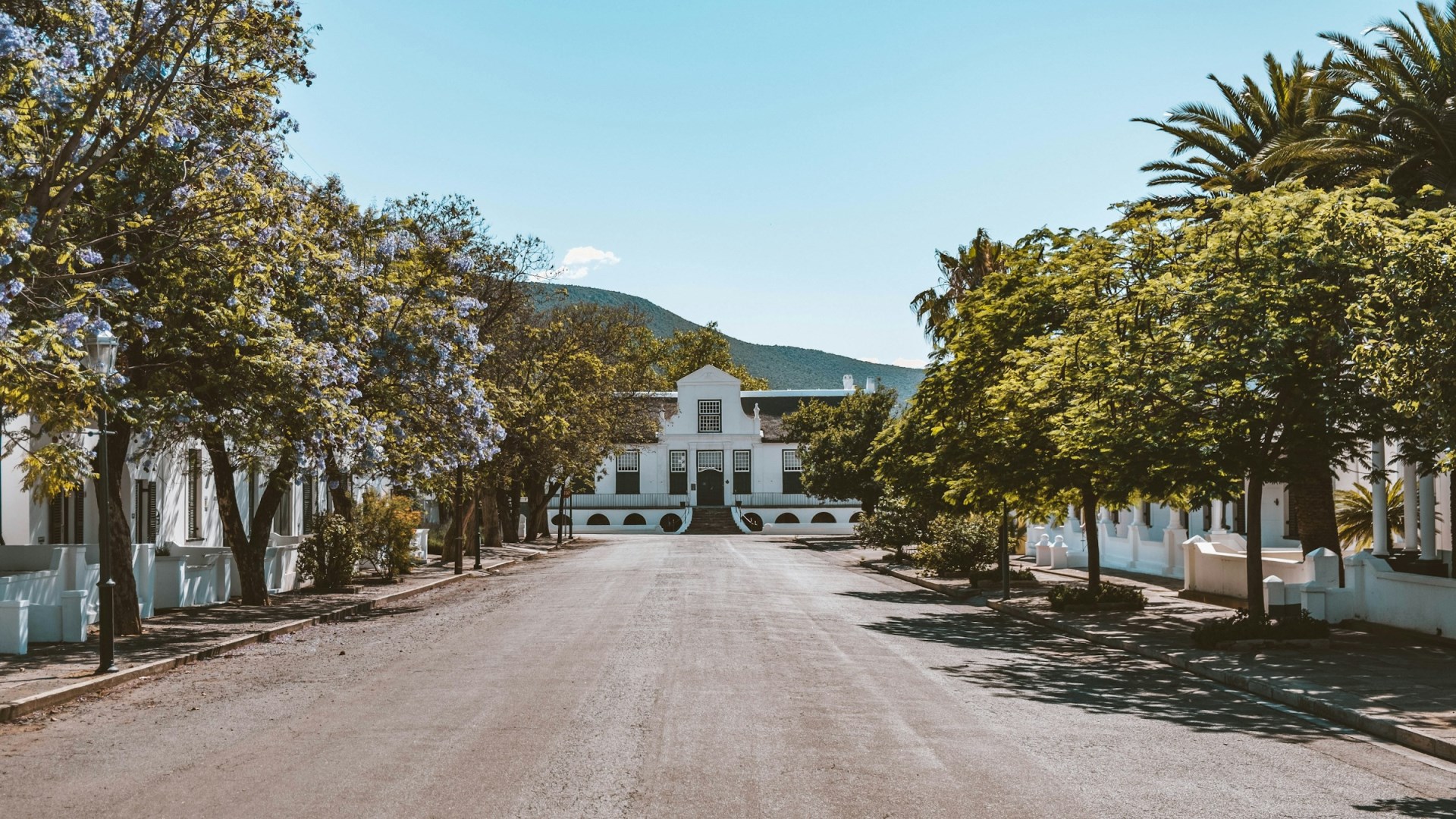
Graaff-Reinet is a historic town in South Africa’s Eastern Cape, set within a broad bend of the Sundays River in the Great Karoo. It is surrounded by the landscapes of Camdeboo National Park and is known for its collection of well-preserved historic buildings. More than 200 heritage structures are found across the town, many built in distinctive Cape Dutch, Victorian, and Karoo architectural styles.
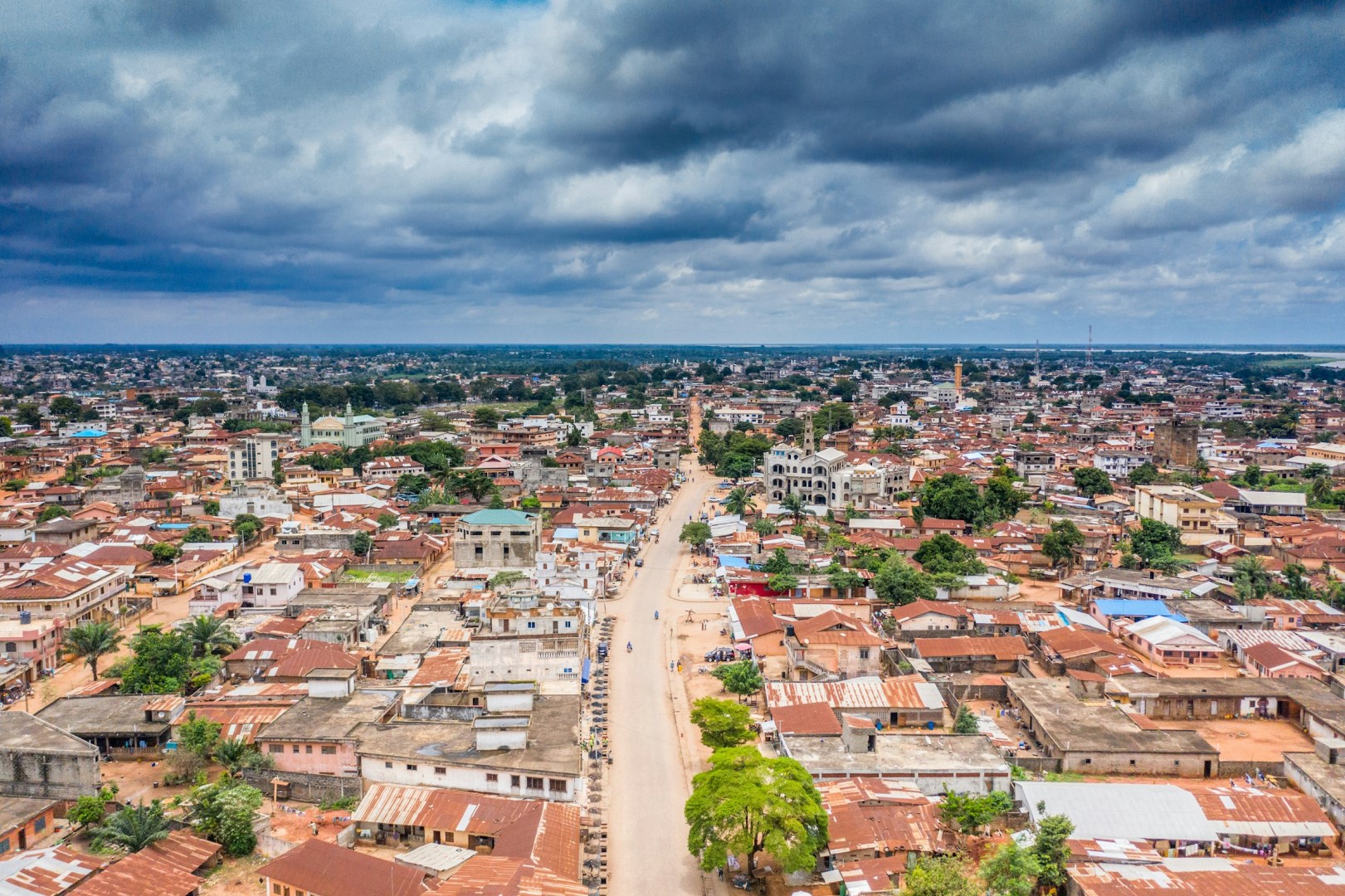
Porto-Novo is the political capital of Benin, located in the country's southeast near the Porto-Novo Lagoon and not far from the Nigerian border. The city is known for its combination of Yoruba heritage, royal traditions, and Afro-Brazilian architecture. Historic neighbourhoods contain distinctive buildings with decorated facades, while markets, workshops, museums, and religious sites remain part of everyday urban life.
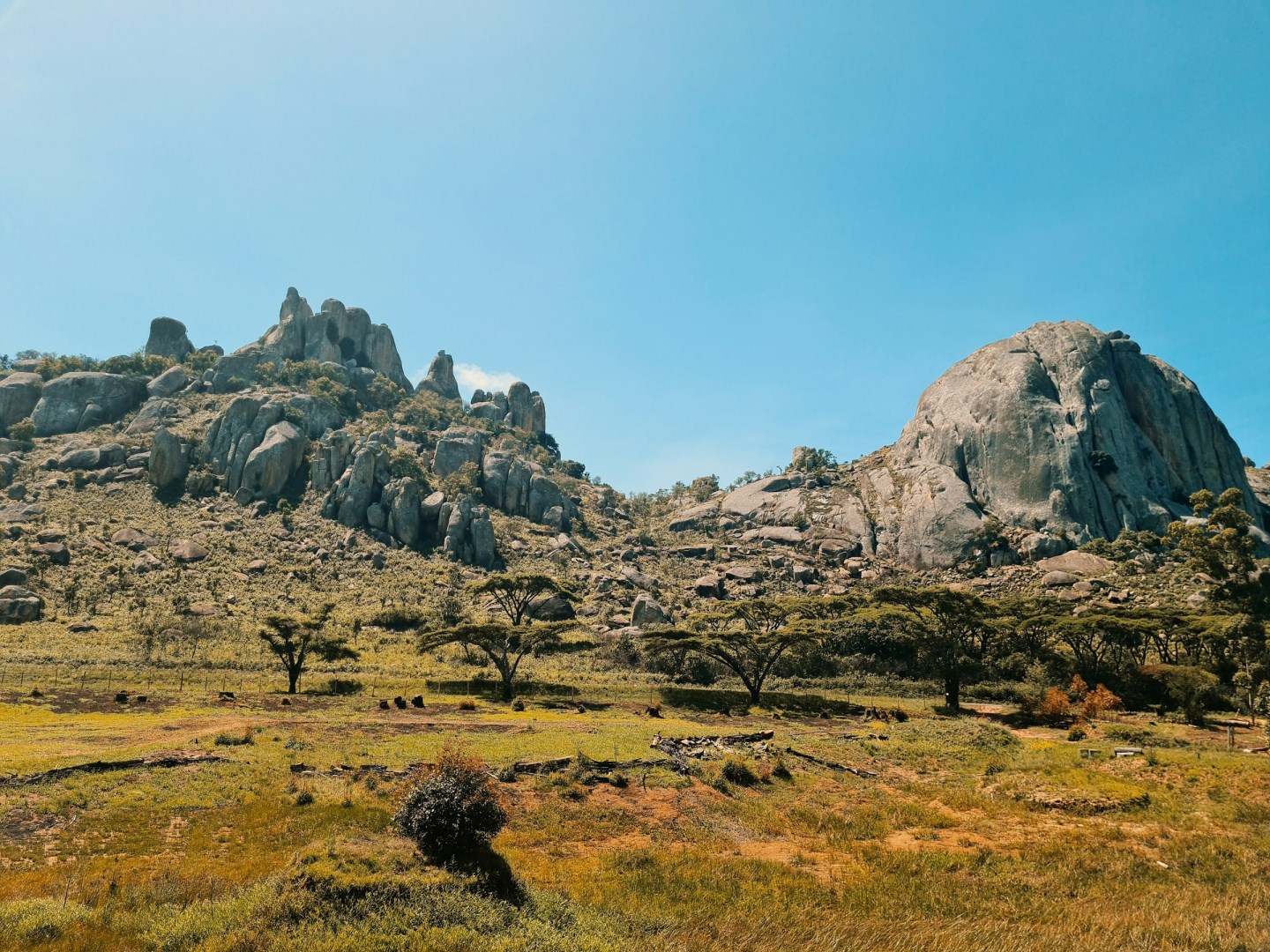
Nyanga is a highland destination in northeastern Zimbabwe, set within the rolling landscapes of the Eastern Highlands. The area is centered on Nyanga National Park, where open grasslands, mountain slopes, rocky outcrops, streams, and patches of woodland create a cooler environment than much of the country.
Kampong Cham, nestled along the banks of the Mekong River, is a captivating destination that offers a blend of cultural heritage and natural beauty. This charming city is renowned for its picturesque landscapes, including the iconic Ko Paen Bamboo Bridge, which is rebuilt annually after the rainy season. Visitors can stroll through streets lined with French-colonial architecture, giving the city a quaint and historic ambiance.
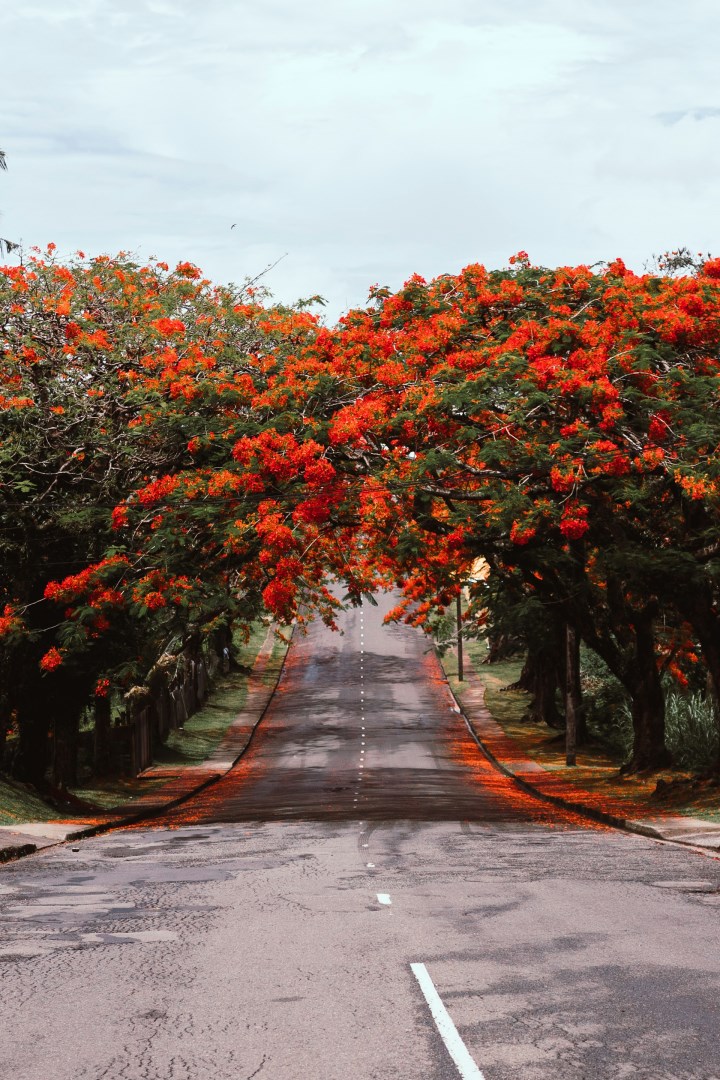
Suva is the capital of Fiji and a popular island destination in the South Pacific. Highlights of this tropical city include Fiji Museum, Thurston Park, Mount Korobaba, and Colo-I-Suva Forest Park.
Photo Credit: Photo by Conny Schneider on Unsplash
Photo Credit: Photo by Hendrik Cornelissen on Unsplash
Photo Credit: Photo by Fausto García-Menéndez on Unsplash
Photo Credit: Photo by Andreas M on Unsplash
Photo Credit: Photo by Kevin Charit on Unsplash
Photo Credit: Photo by Mark Pisek on Unsplash
Photo Credit: Photo by Mihály Köles on Unsplash
Photo Credit: Photo by Miltiadis Fragkidis on Unsplash
Photo Credit: Photo by Elijah G on Unsplash
Photo Credit: Photo by Andreas M on Unsplash
Photo Credit: Photo by Bertrand Borie on Unsplash
Photo Credit: Photo by Antoino Lopez on Unsplash
Photo Credit: Photo by Bastian Pudill on Unsplash
Photo Credit: Photo by Antoino Lopez on Unsplash
Photo Credit: Photo by Max Nayman on Unsplash
Photo Credit: Photo by Michele Bergami on Unsplash
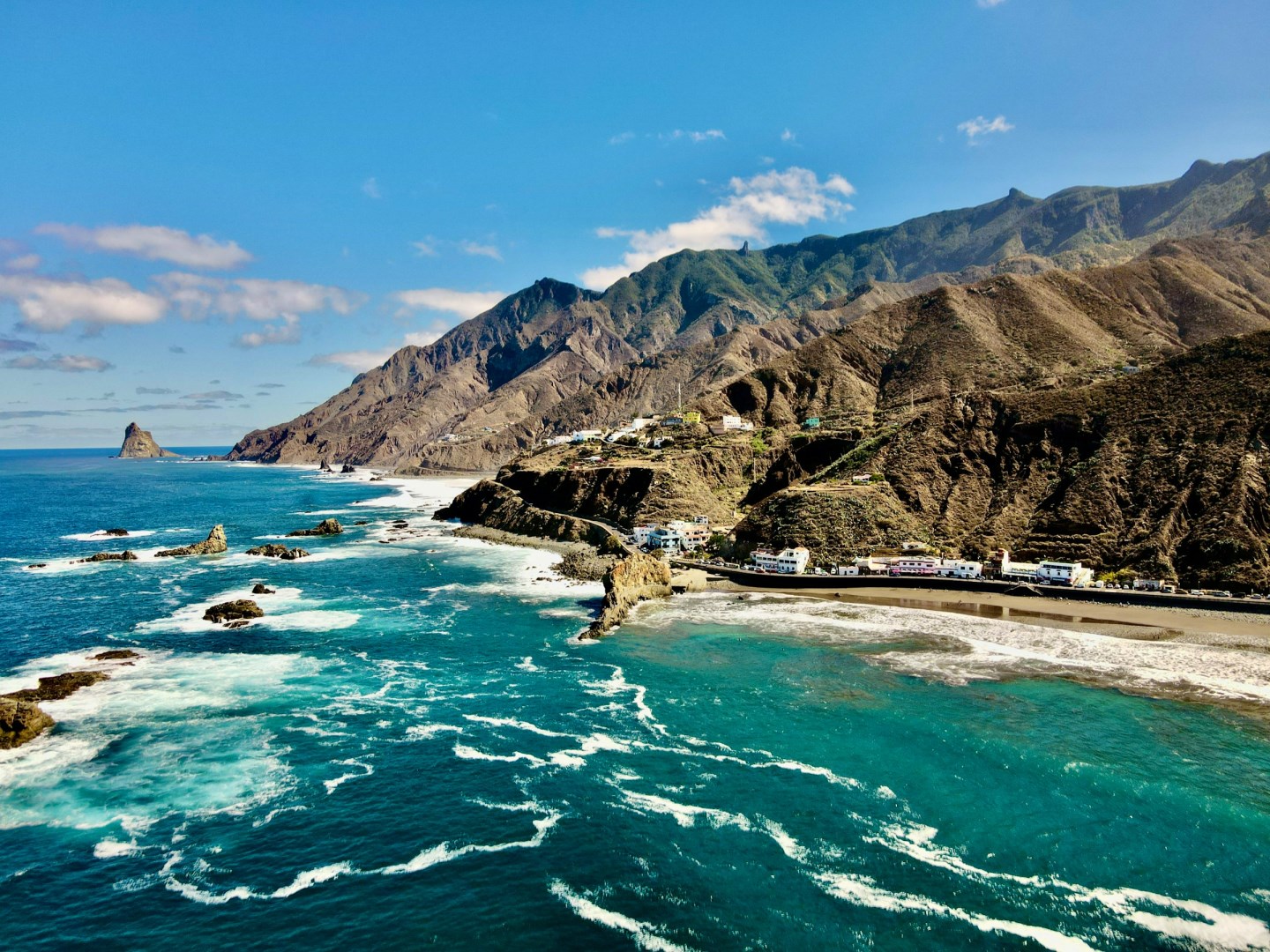
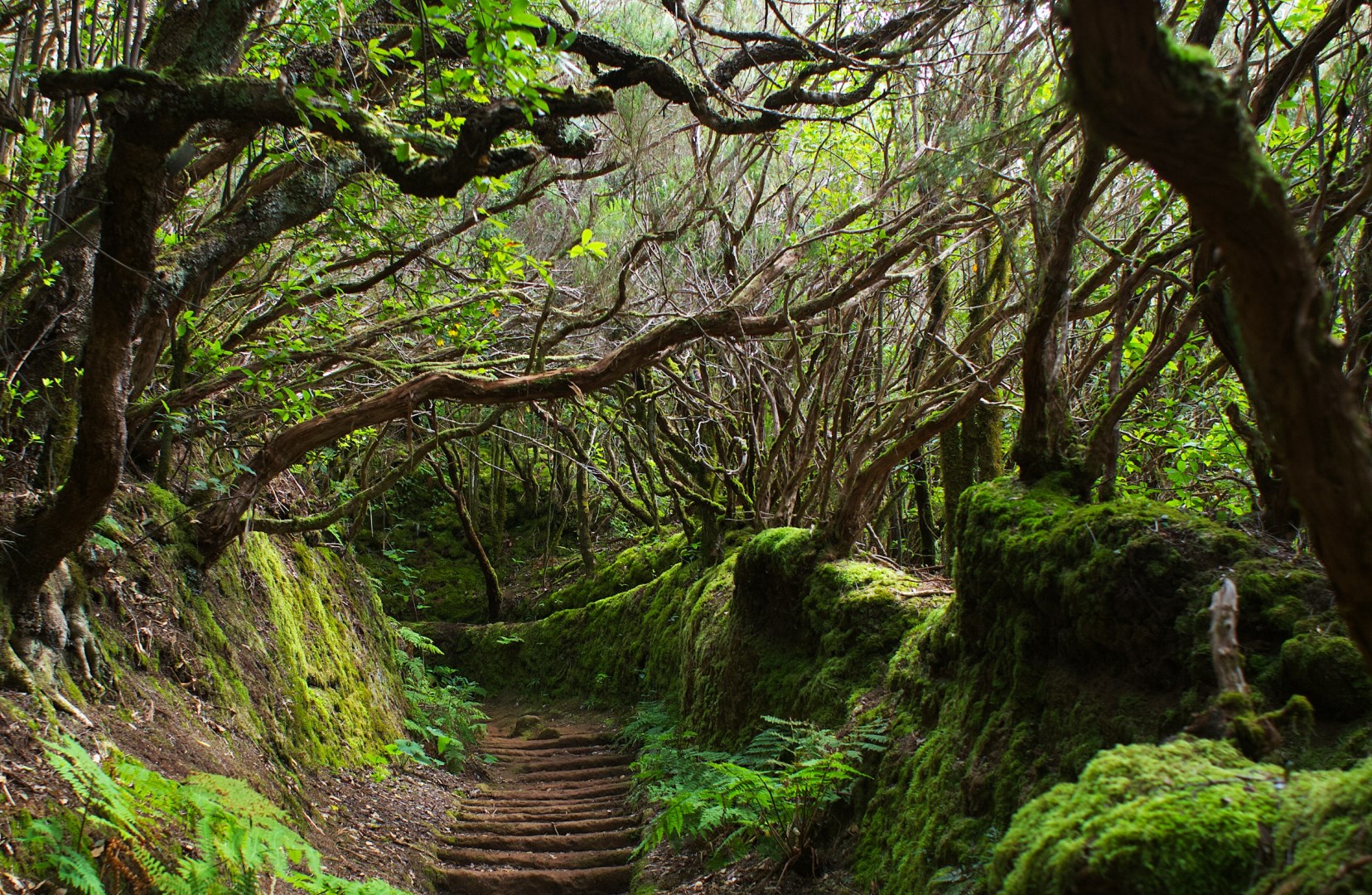
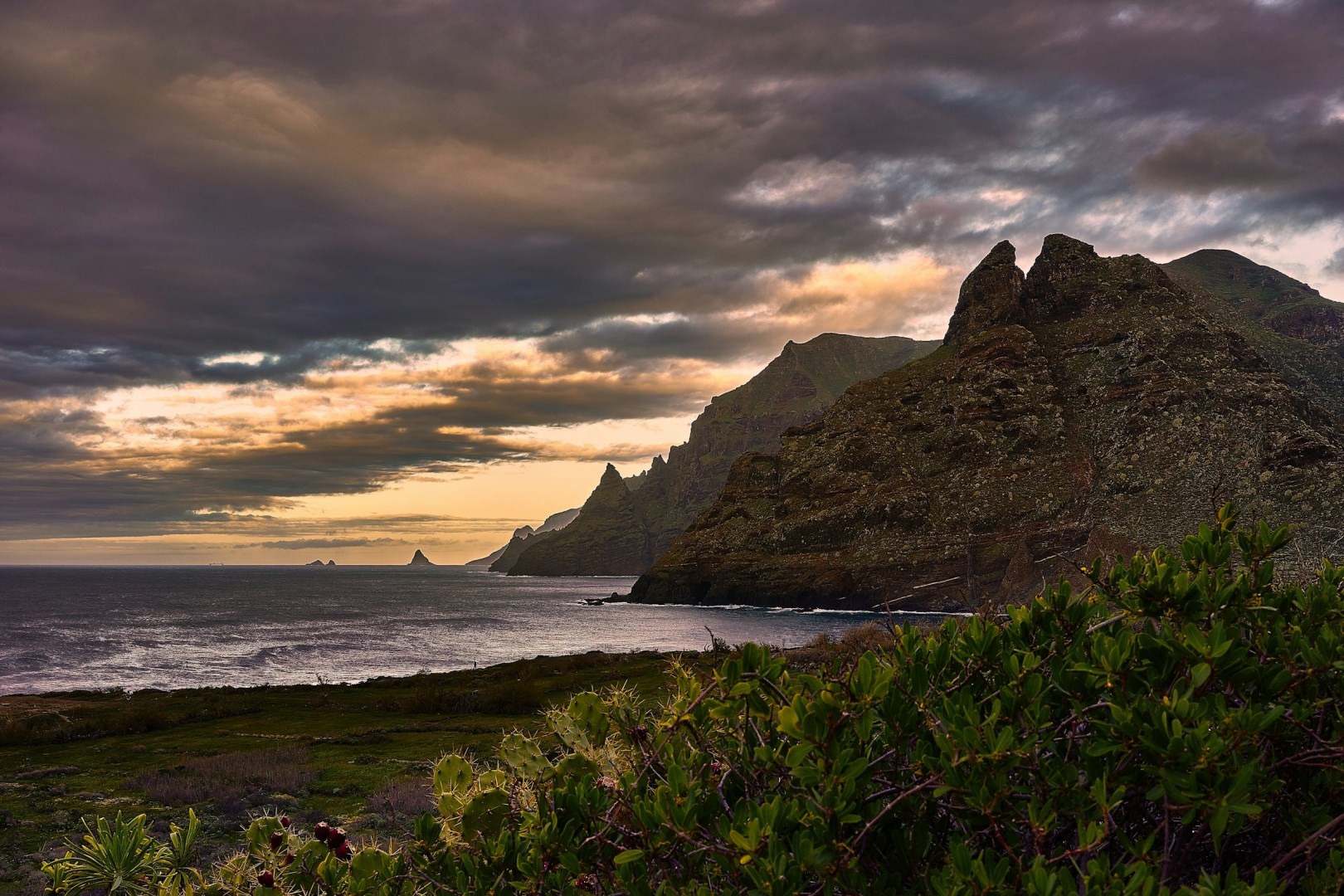
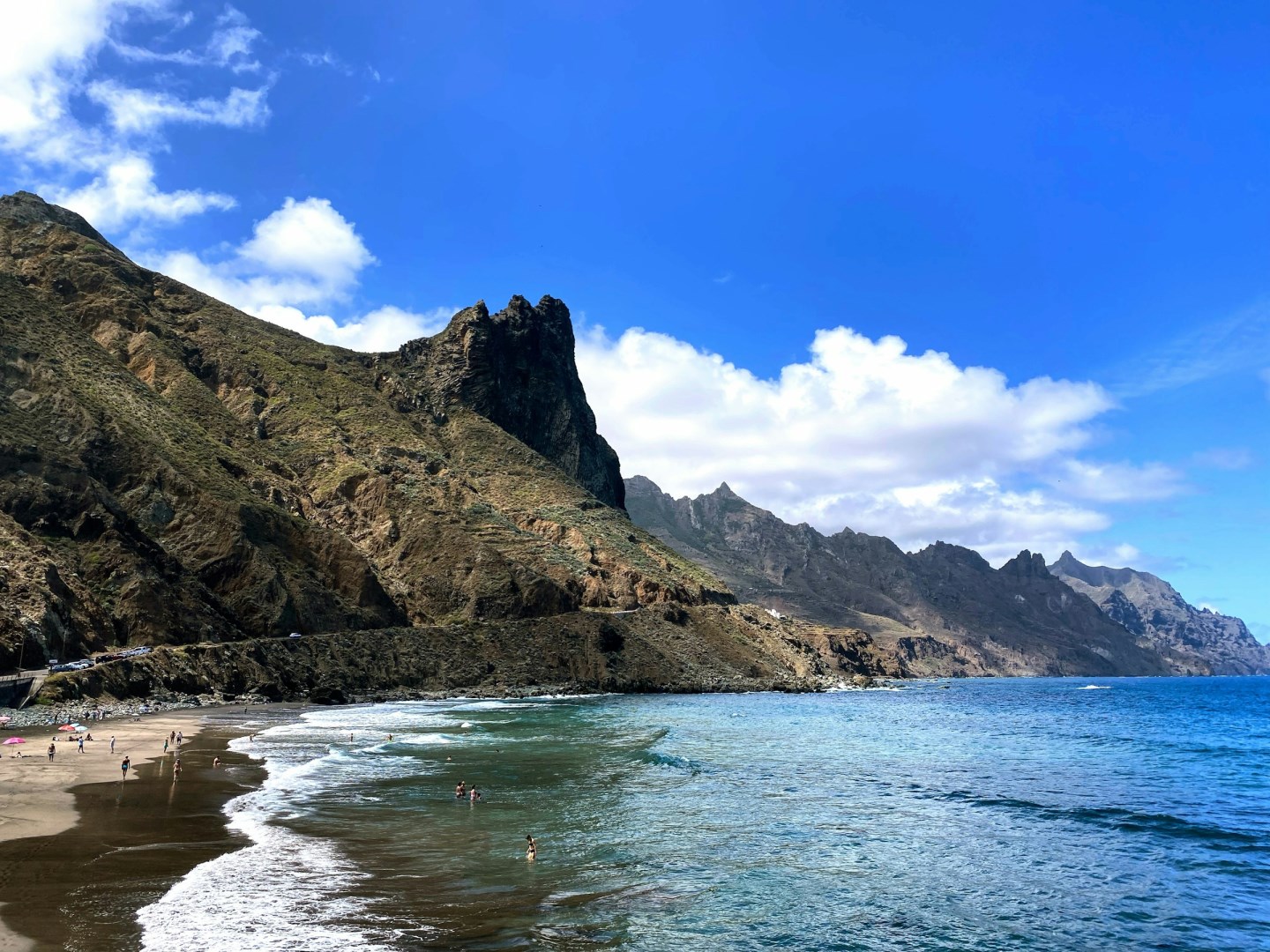
Taganana
Photo Credit: Photo by Carla M.J. Gomes on Unsplash
Photo Credit: Photo by Maksim Shutov on Unsplash
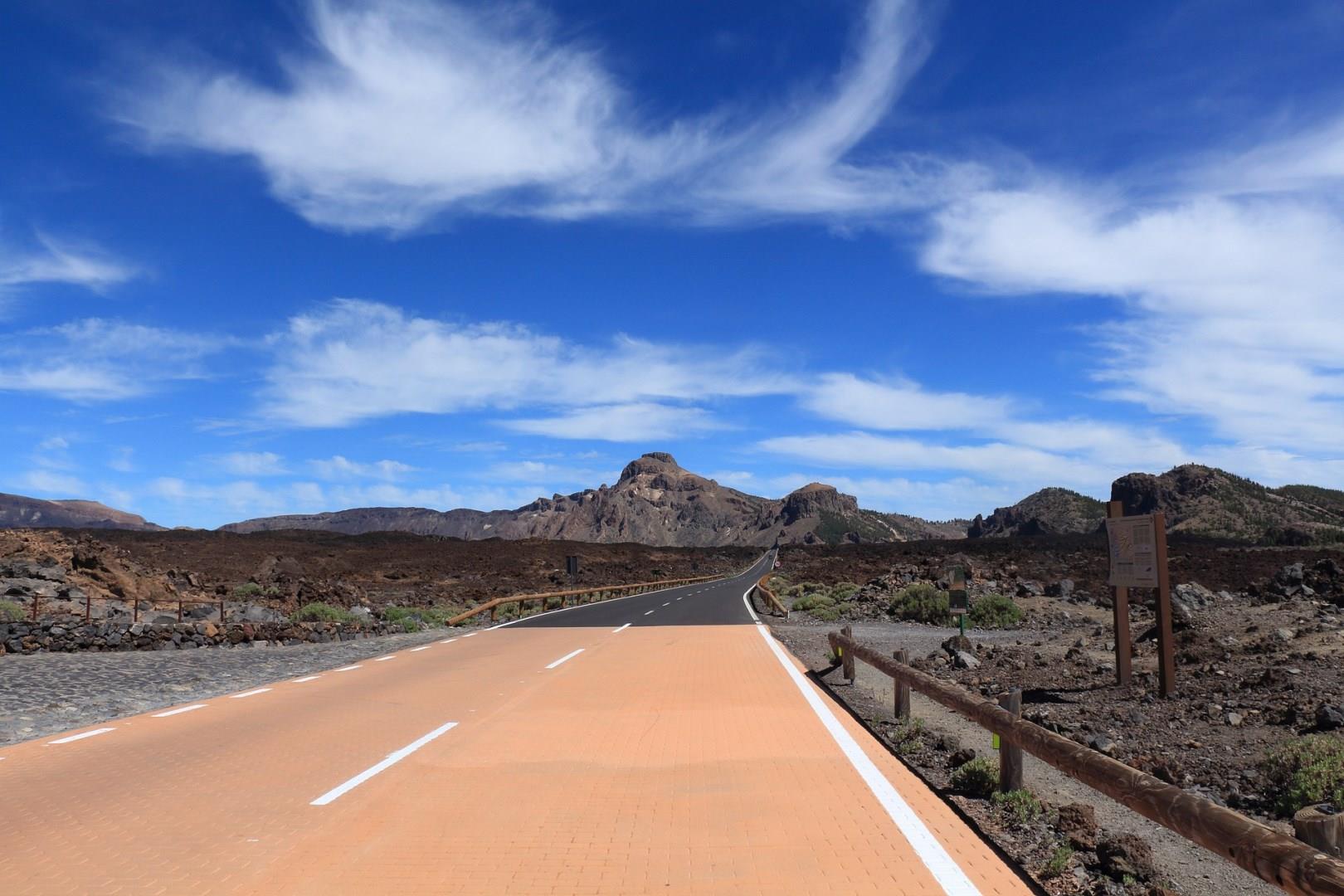
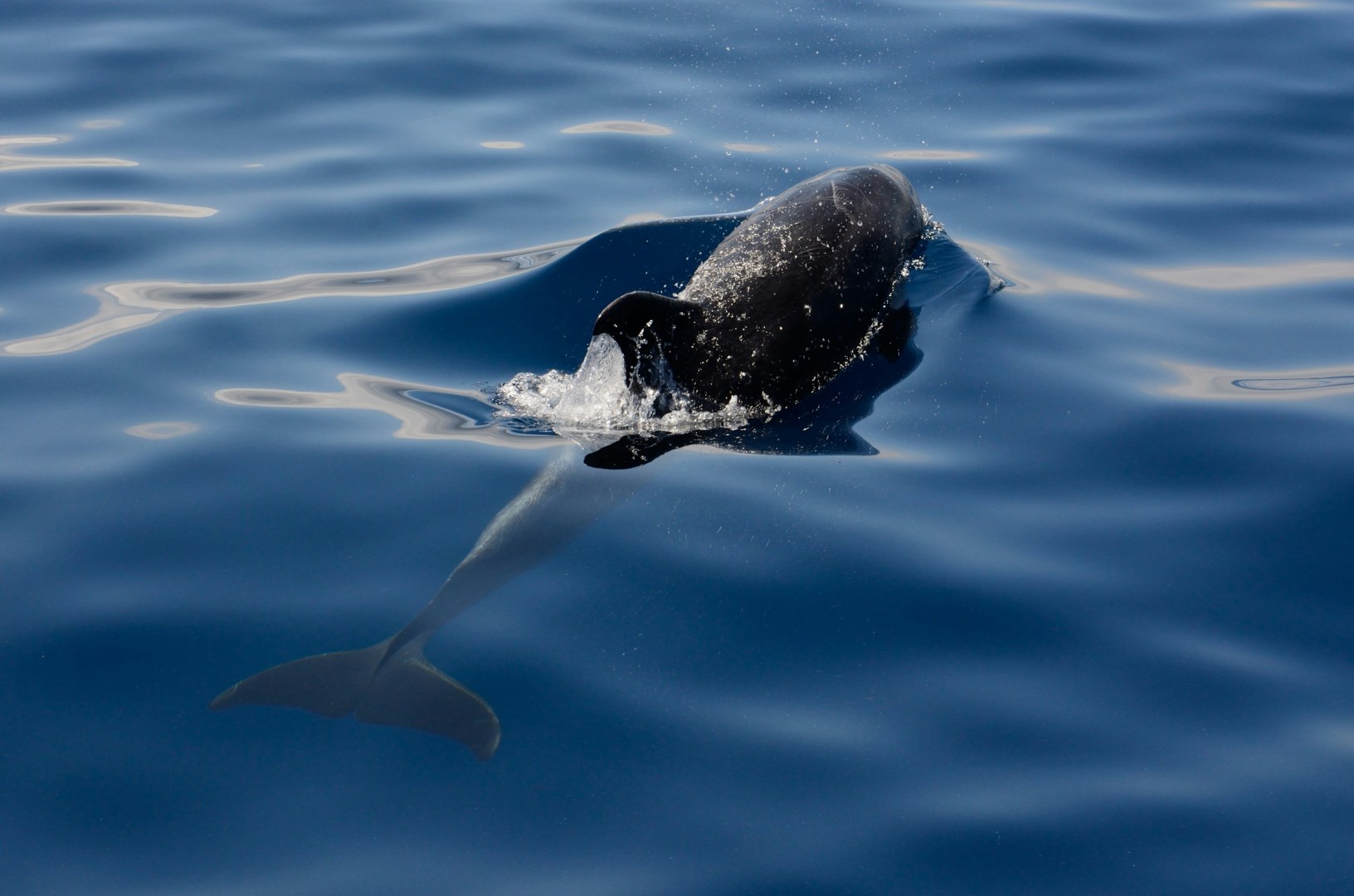
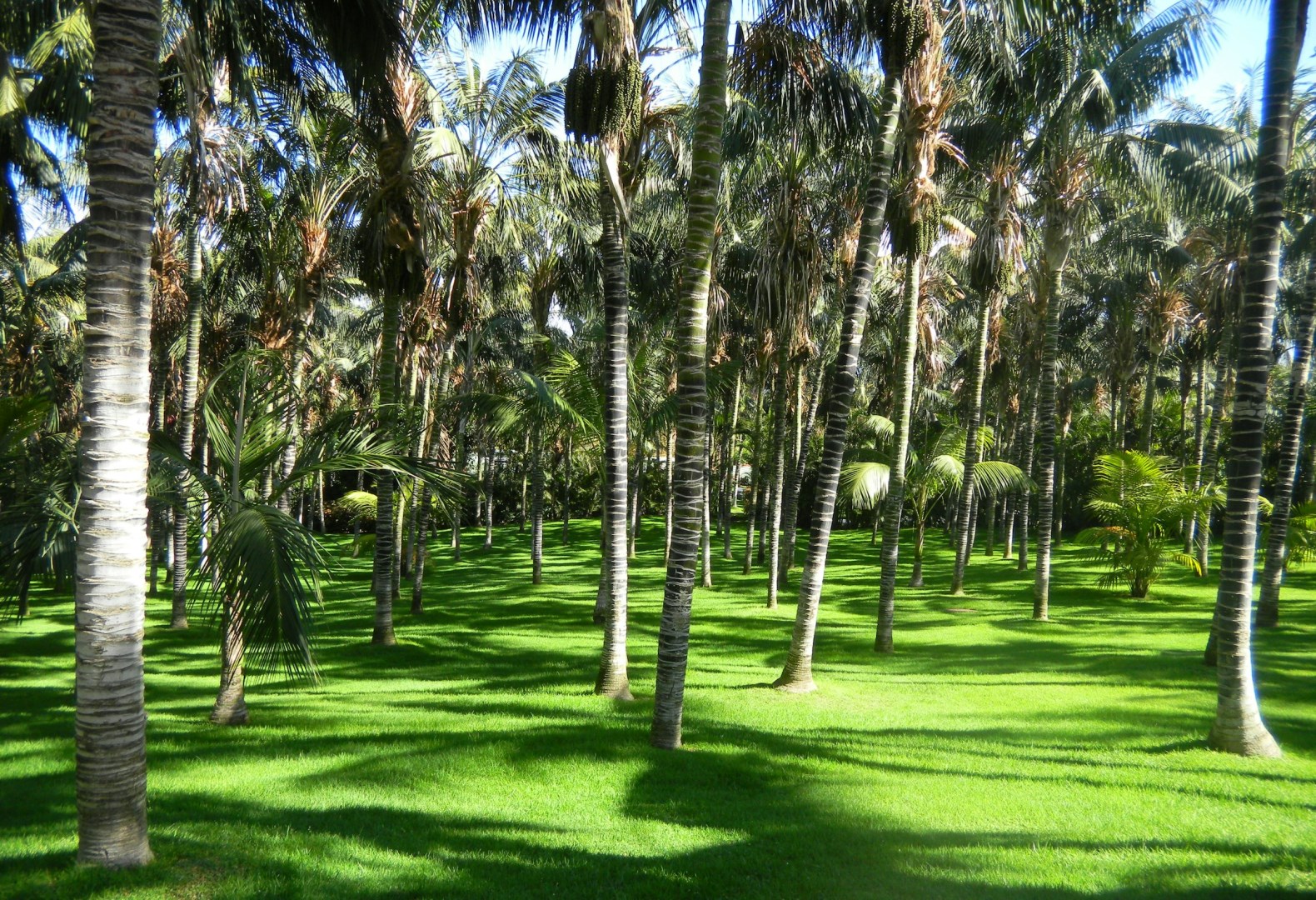
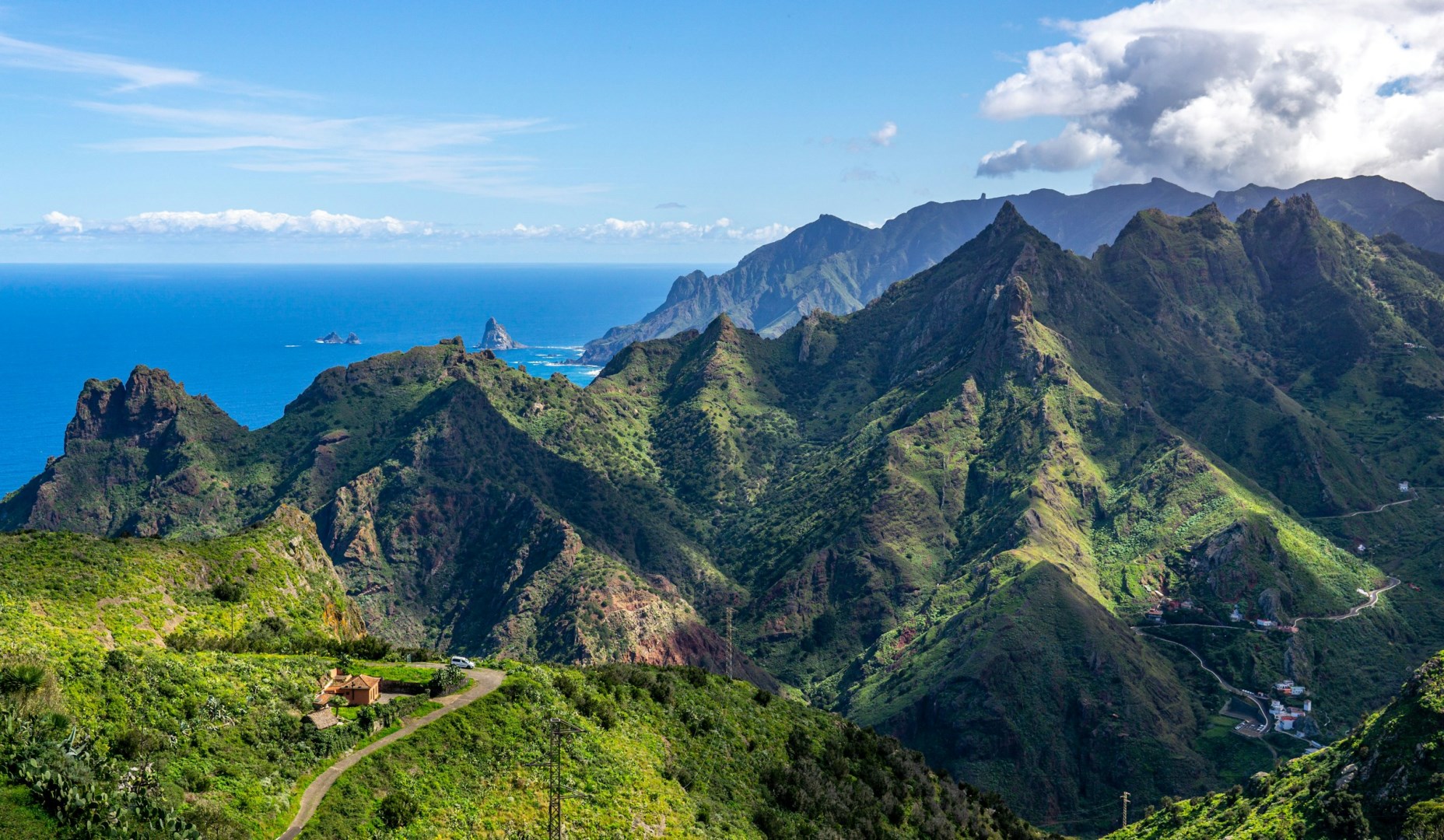
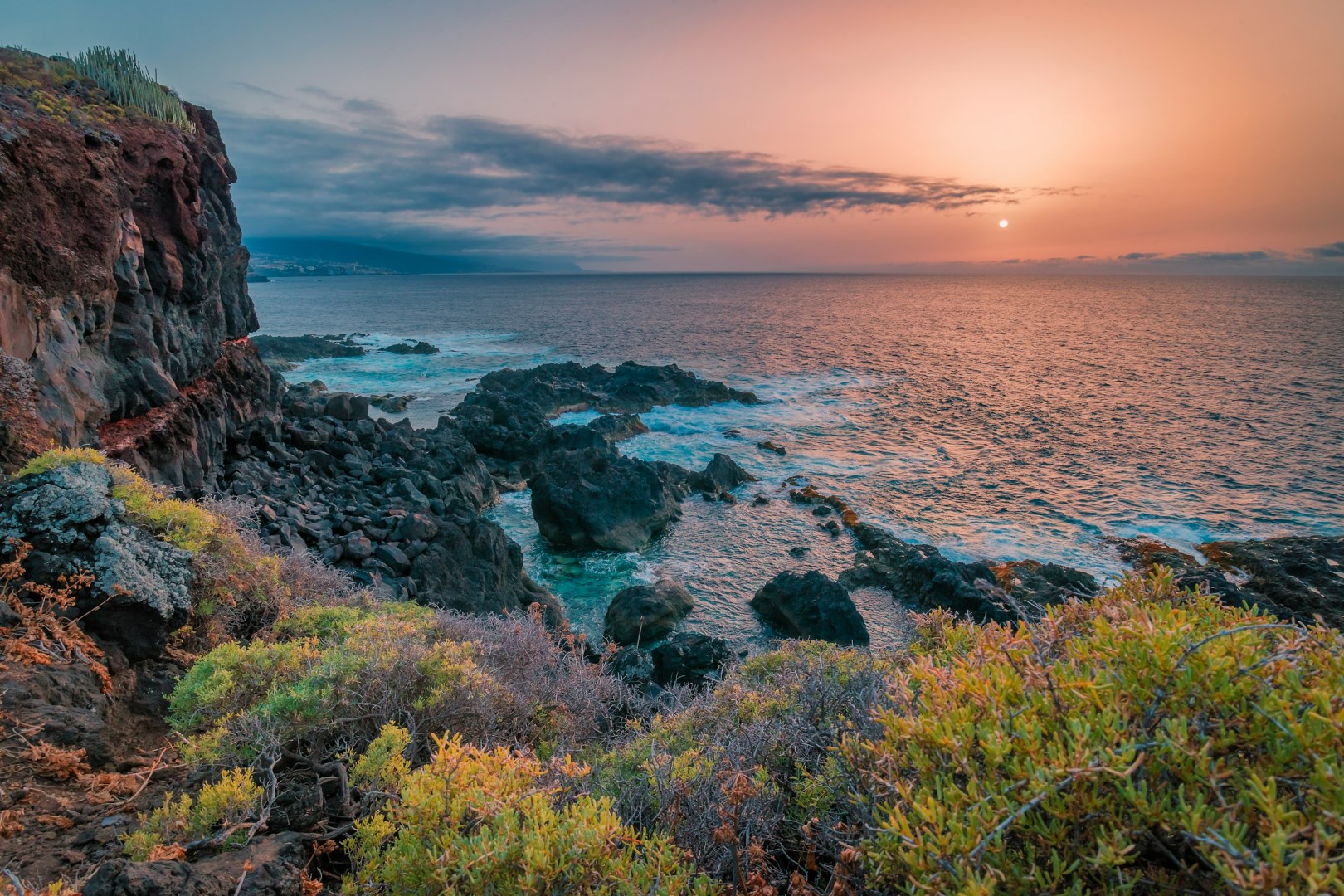
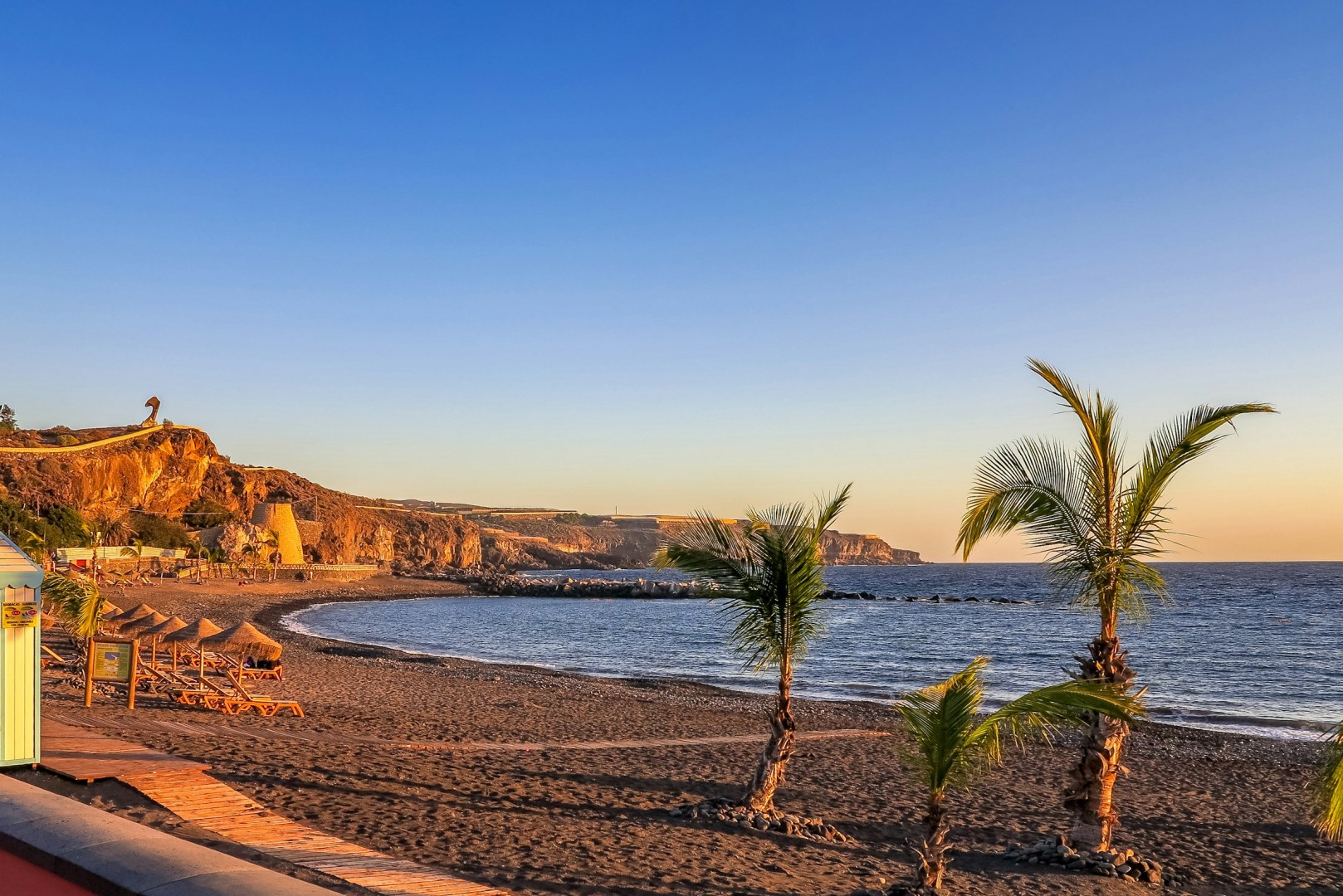
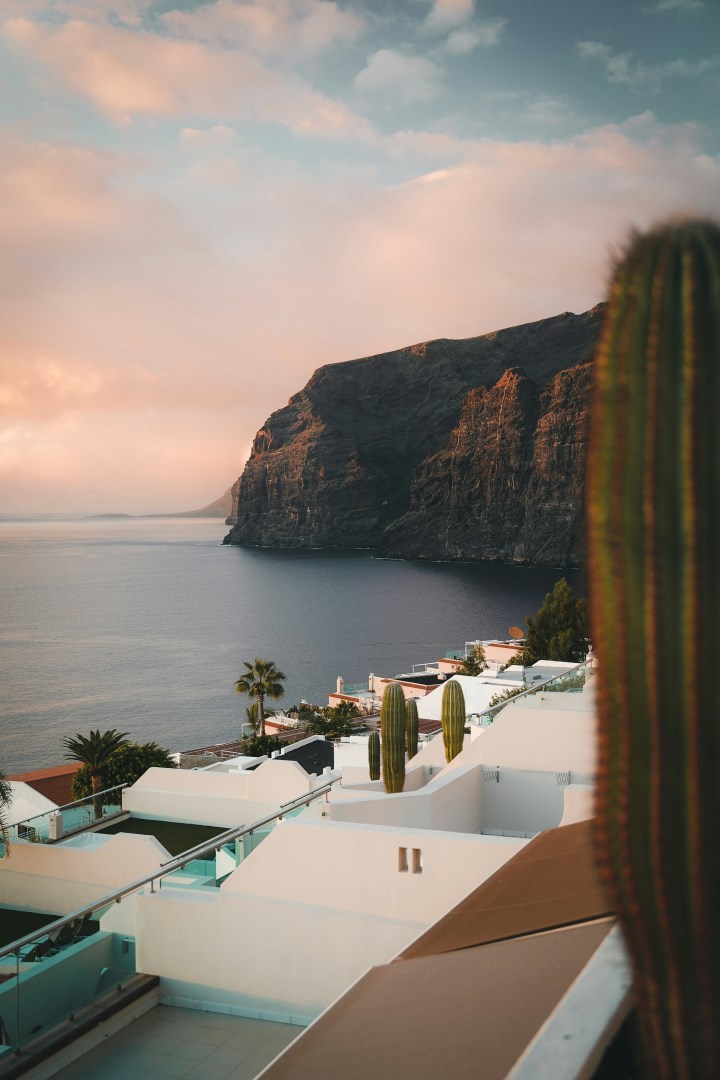
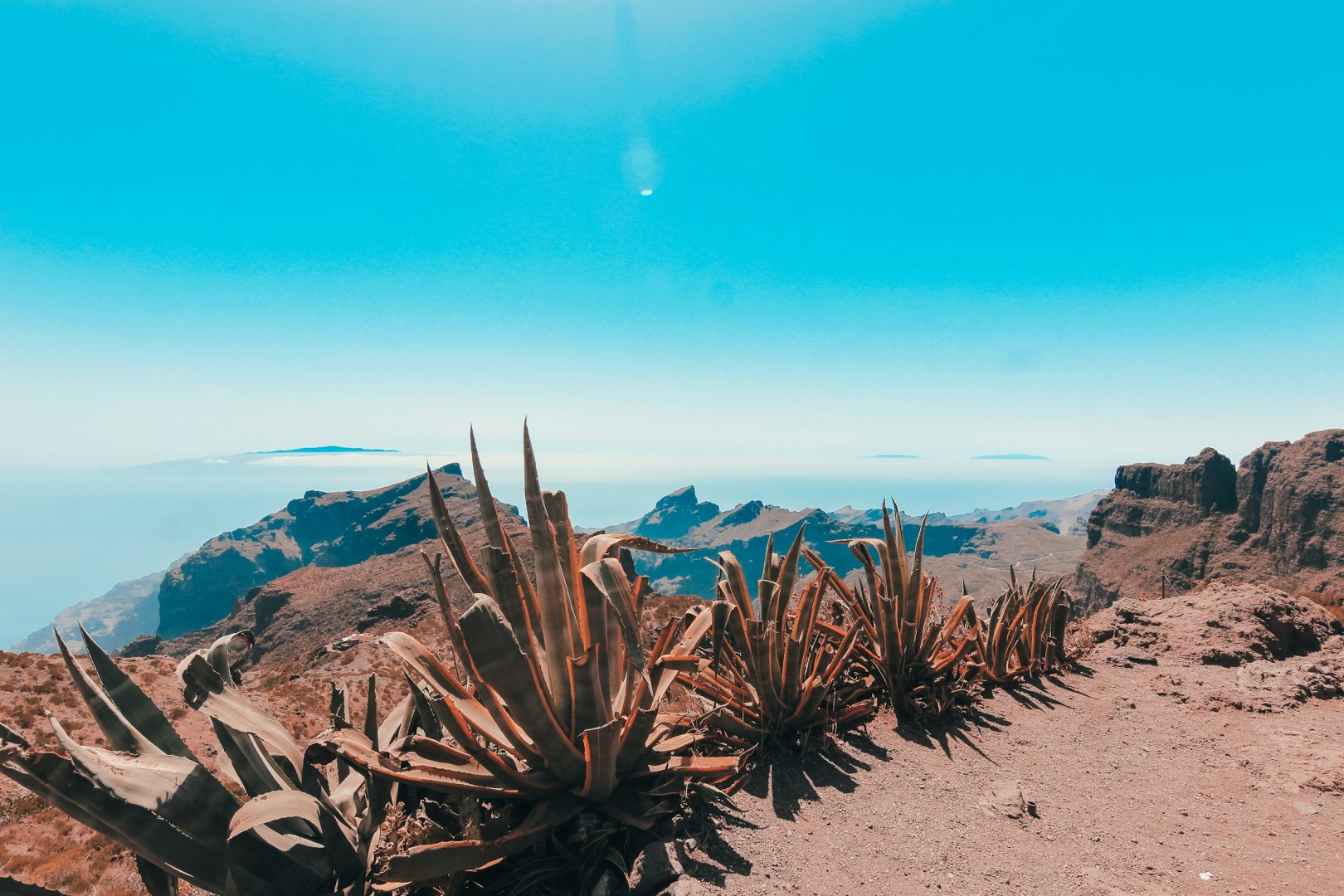
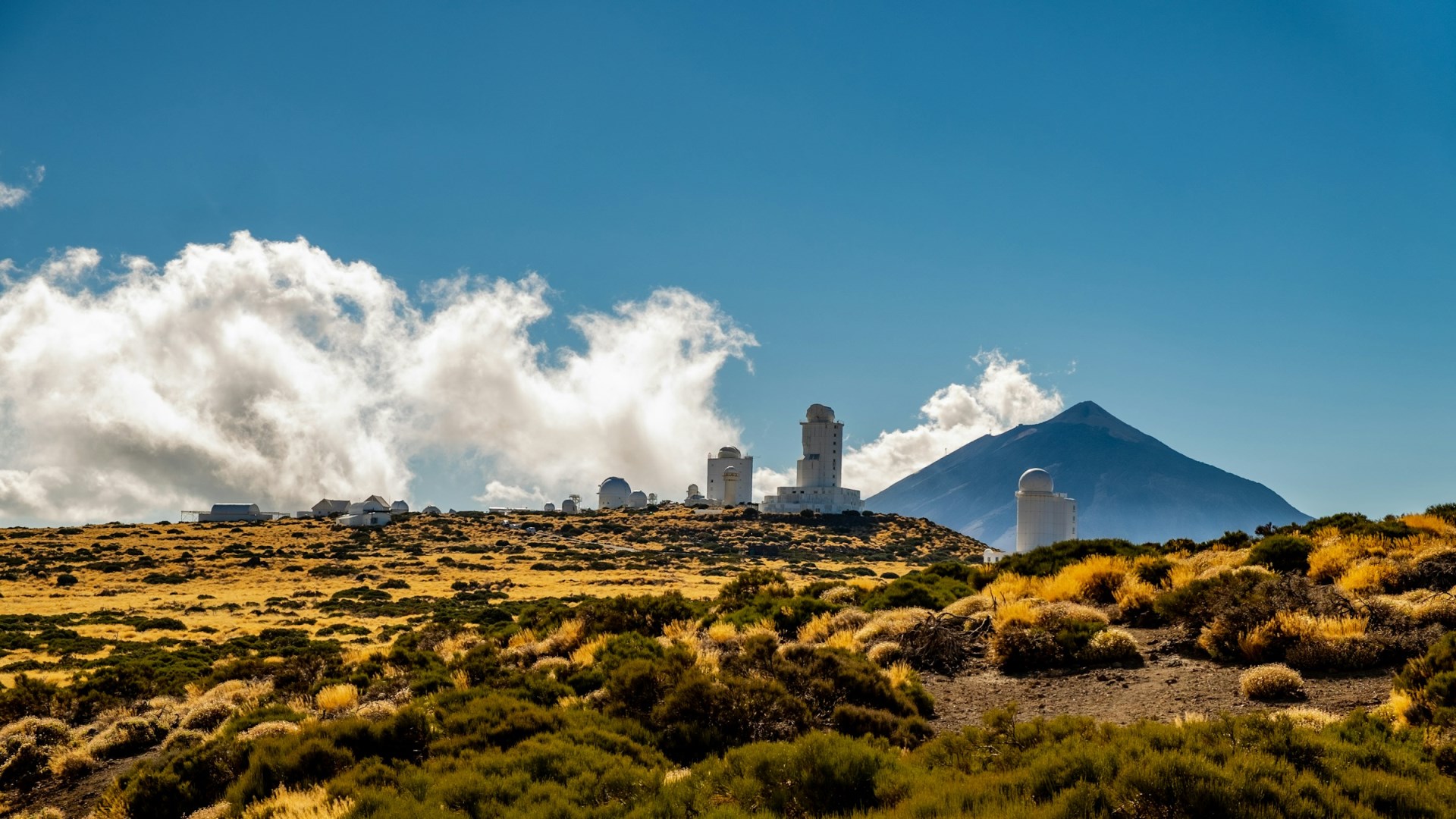
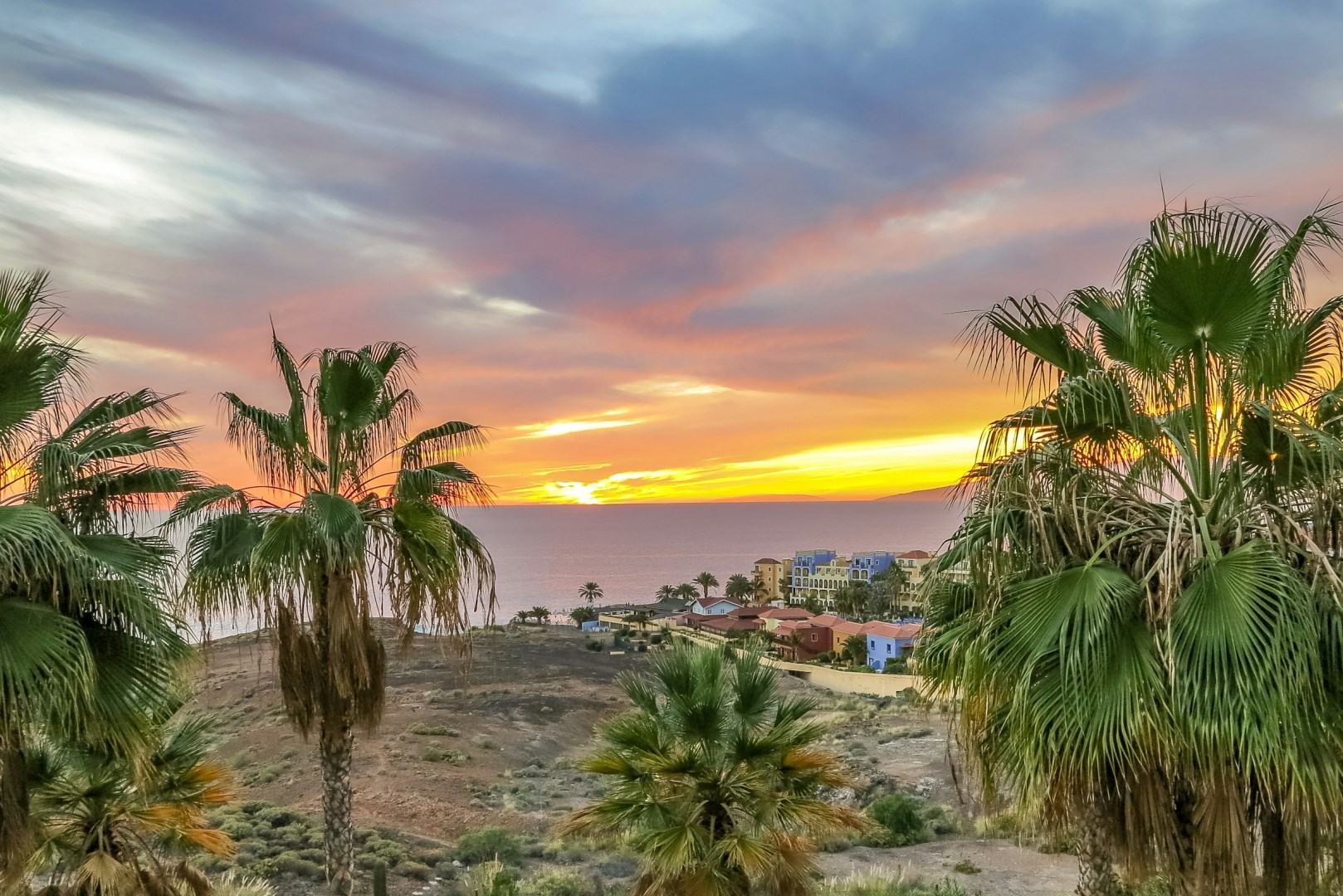
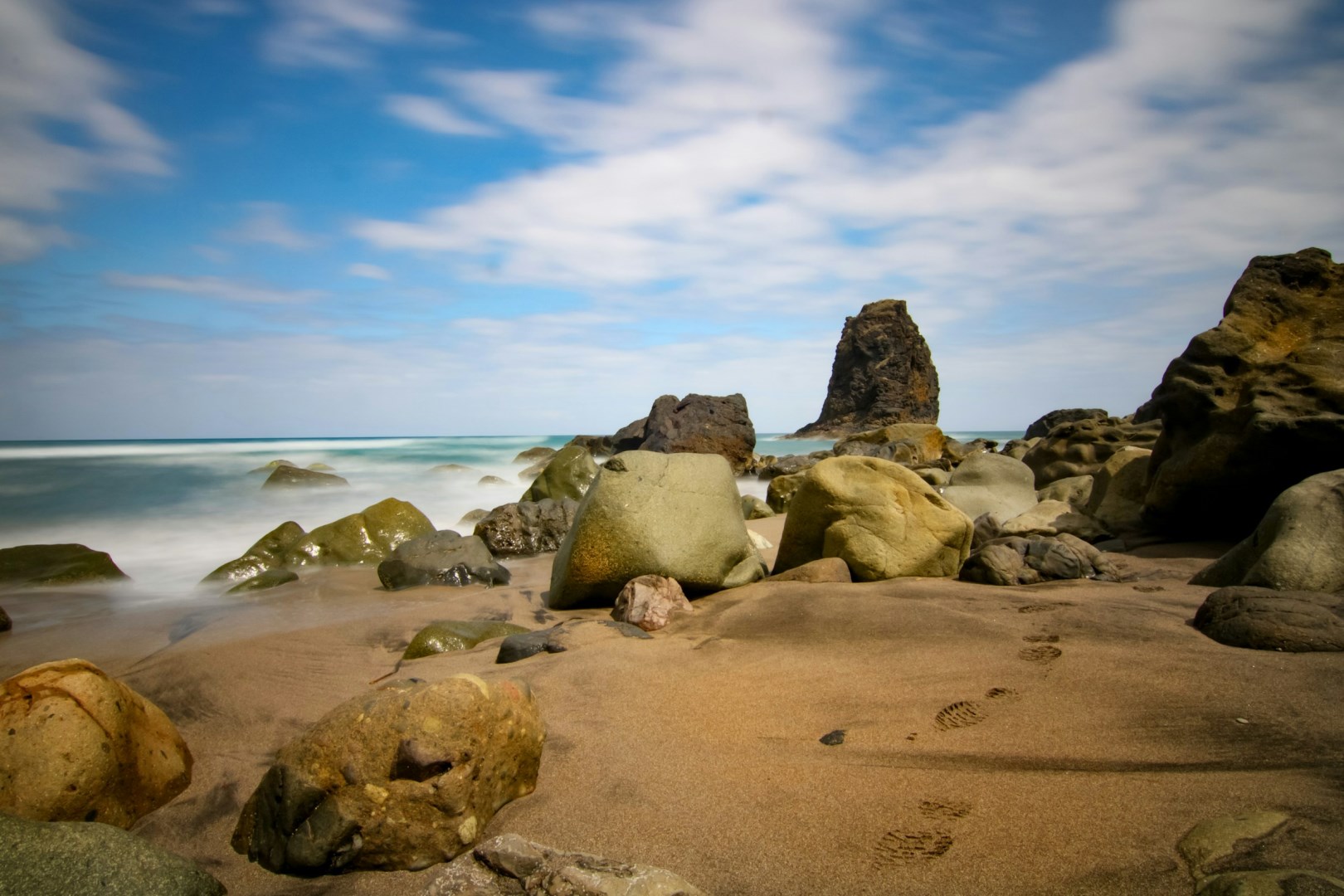
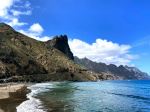
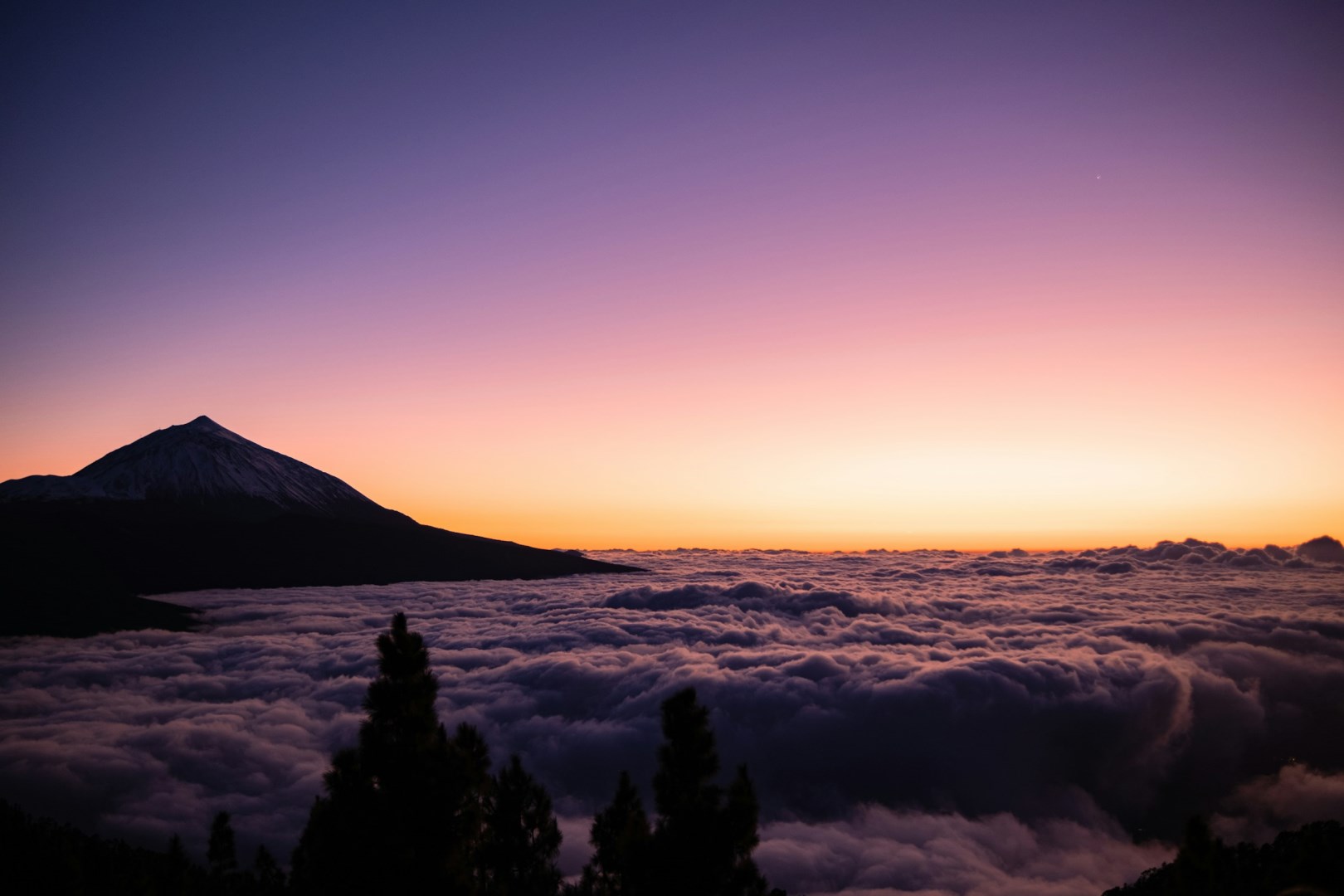
Tenerife is the largest isle of the Canary Islands archipelago. Famous for its black and yellow sand beaches as well as Mt. Teide, the dormant volcano that looms over the island.
Other Popular Destinations in Canary Islands
Santa Cruz de La Palma
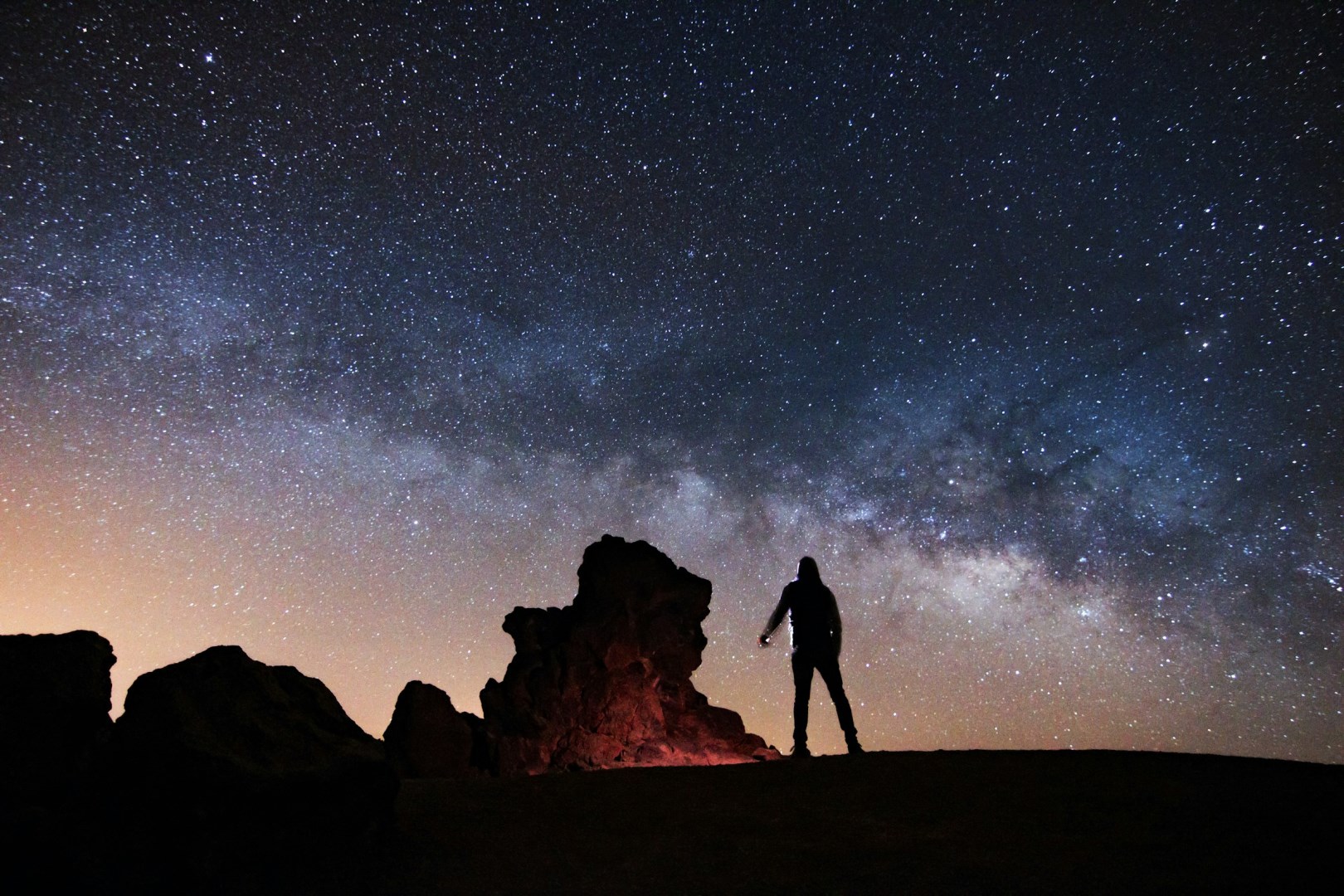
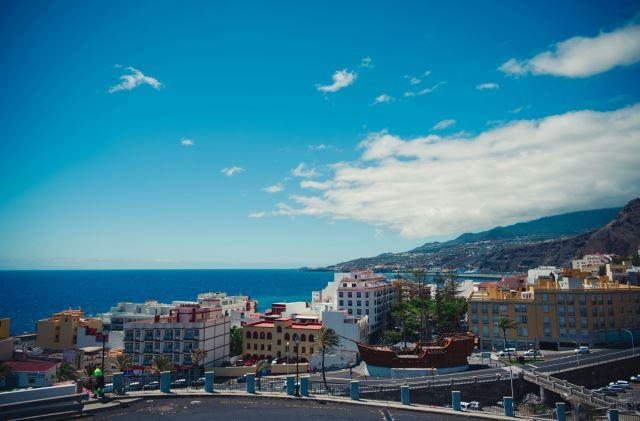
Santa Cruz de La Palma is the capital of the island of La Palma, one of the seven Canary Islands. Although often forgotten in favor of the similarly named Santa Cruz de Tenerife, it is a compact and colorful colonial town well worth a visit. Swimming, paragliding, and hiking and some of the most popular daytime activities, while stargazing is a favorite pastime after the sun goes down.


Las Palmas
Las Palmas (officially Las Palmas de Gran Canaria) is the capital of Gran Canaria island as well as co-capital (along with Santa Cruz de Tenerife) of the Canary Islands. It is a major cruise-ship port known for duty-free shopping and sandy beaches, including Playa de Las Canteras, considered by many to be one of the best urban beaches worldwide.