
Albuquerque, New Mexico, is a city where centuries-old adobe architecture, desert landscapes, and modern innovation meet beneath some of the clearest skies in the country. Every October, Albuquerque becomes the site of one of the most photographed events in the world: the Albuquerque International Balloon Fiesta. For nine crisp mornings, hundreds of hot air balloons rise over the city, painting the sky in brilliant colors and wild shapes with everything from farm animals to space aliens.
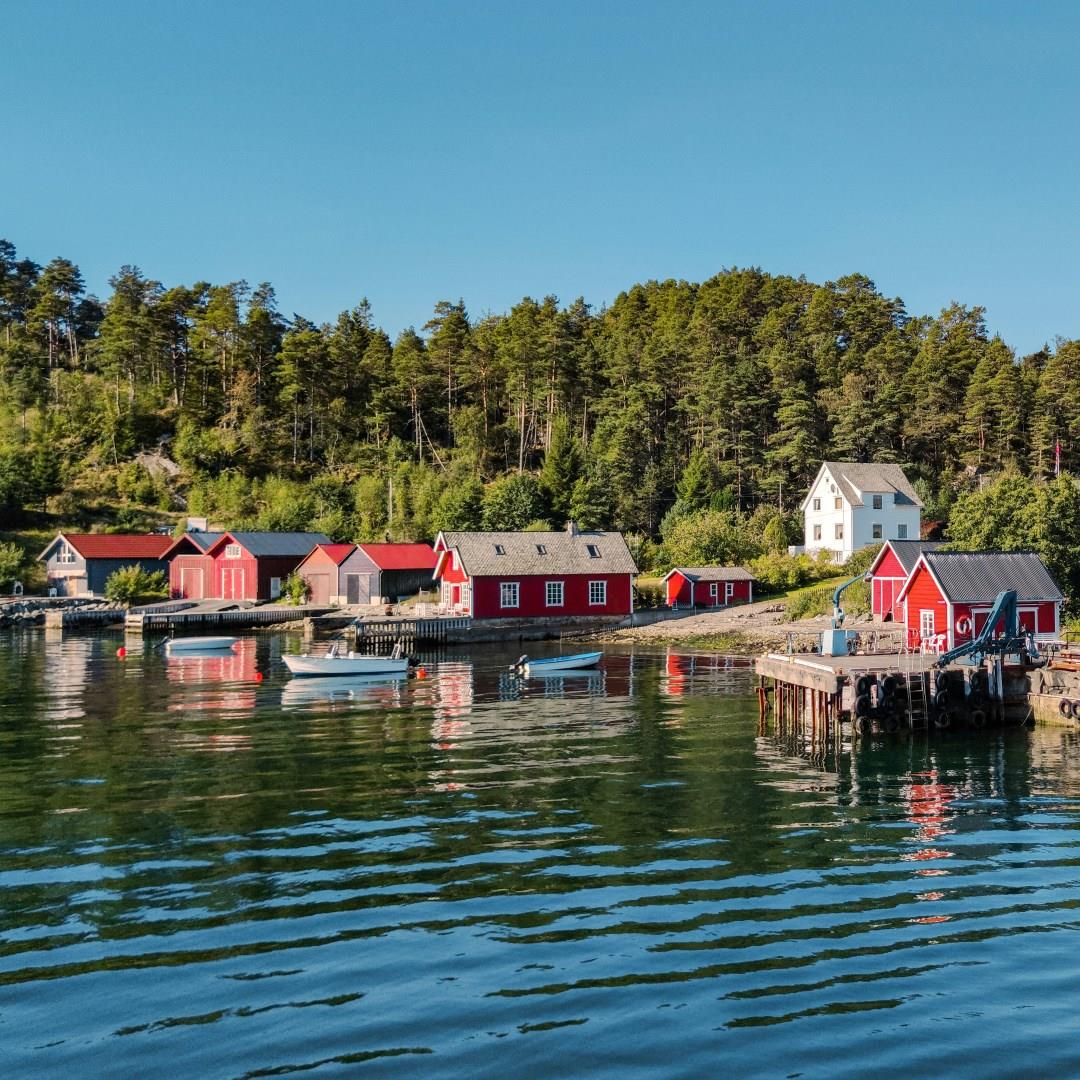
Hardangerfjord is one of Norway’s most iconic fjords, stretching over 170 kilometers through western Norway and surrounded by steep mountains, waterfalls, and orchards. Historically, the fjord has been central to regional life, providing a transportation route for fishing, trade, and fruit cultivation. Its combination of natural grandeur and human activity has shaped a landscape that is both dramatic and lived-in.
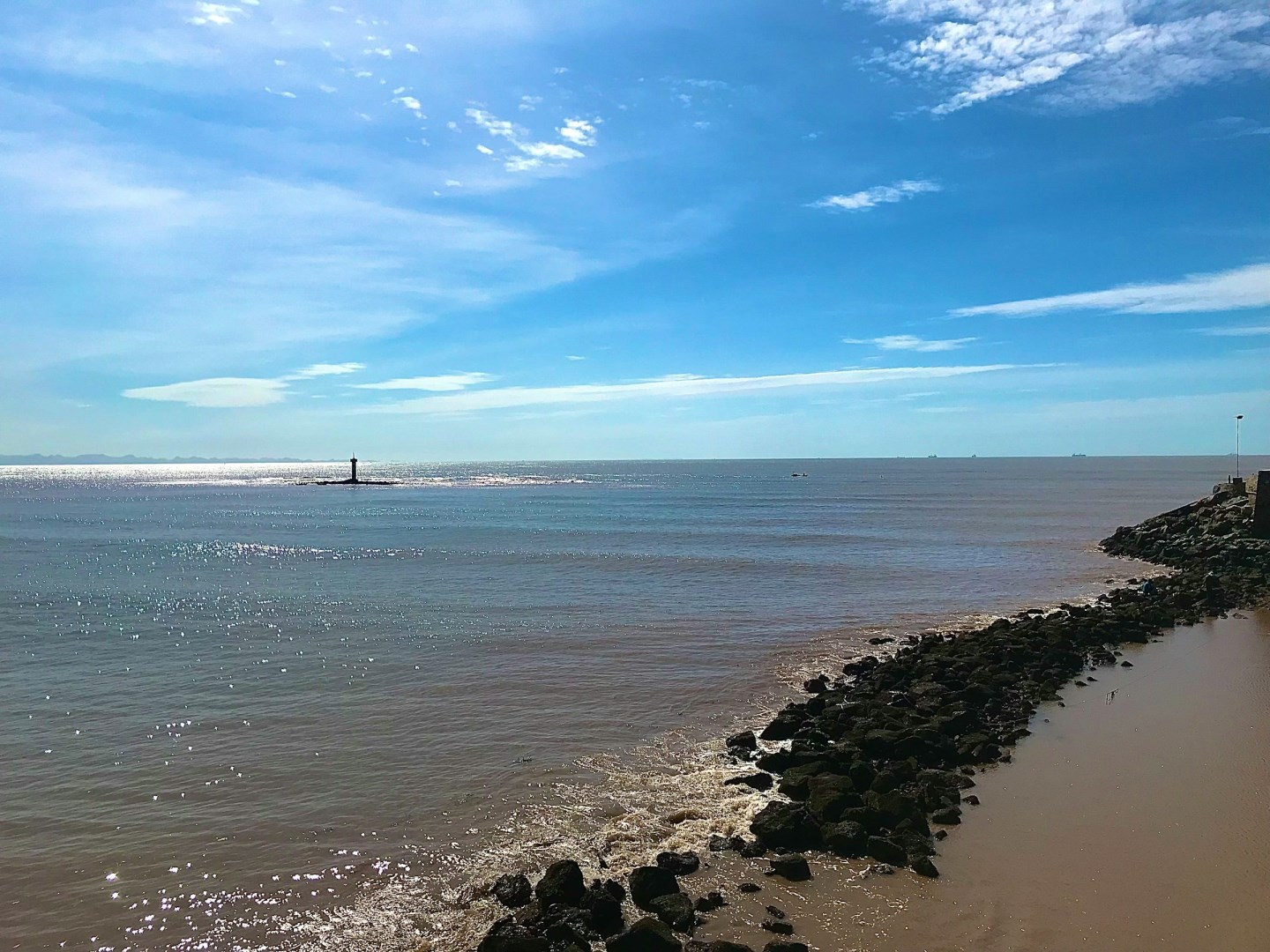
An exotic world, shimmering in lacquer light, lies just beyond the harbor. This Haiphong, gateway to the Vietnamese capital of Hanoi. Have a cyclo take you to town in the morning, just as markets come alive. You can also see the Du Hang Pagoda, a fine example of the country's traditional architecture, and the Hang Kenh House, famed for its intricate wood carvings.
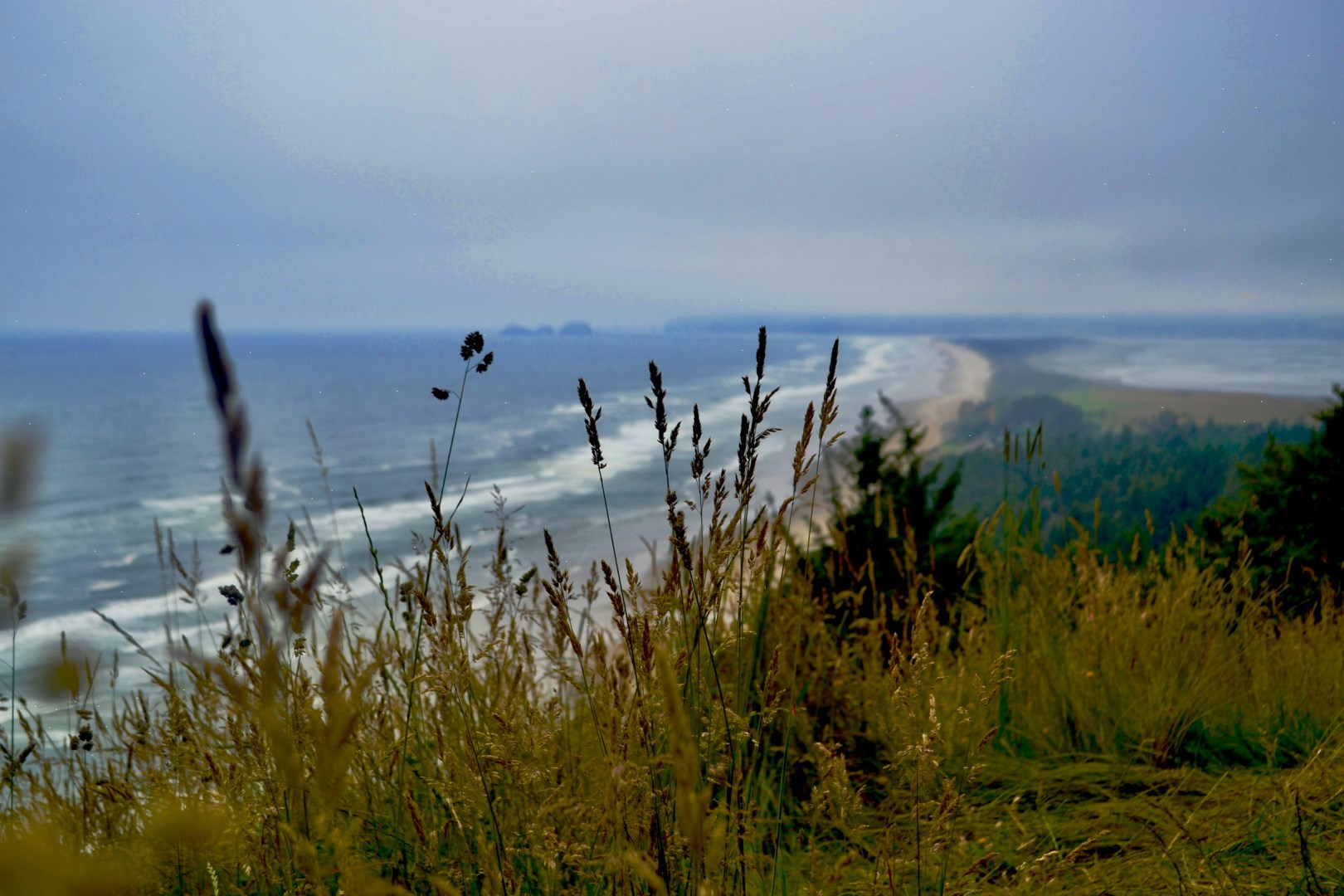
Tillamook is a small city on Oregon’s northern coast, located near the head of Tillamook Bay where several rivers meet the Pacific Ocean. The surrounding landscape includes dairy farmland, forested hills, tidal wetlands, and coastal waterways, giving the community a strong connection to both agriculture and the sea.
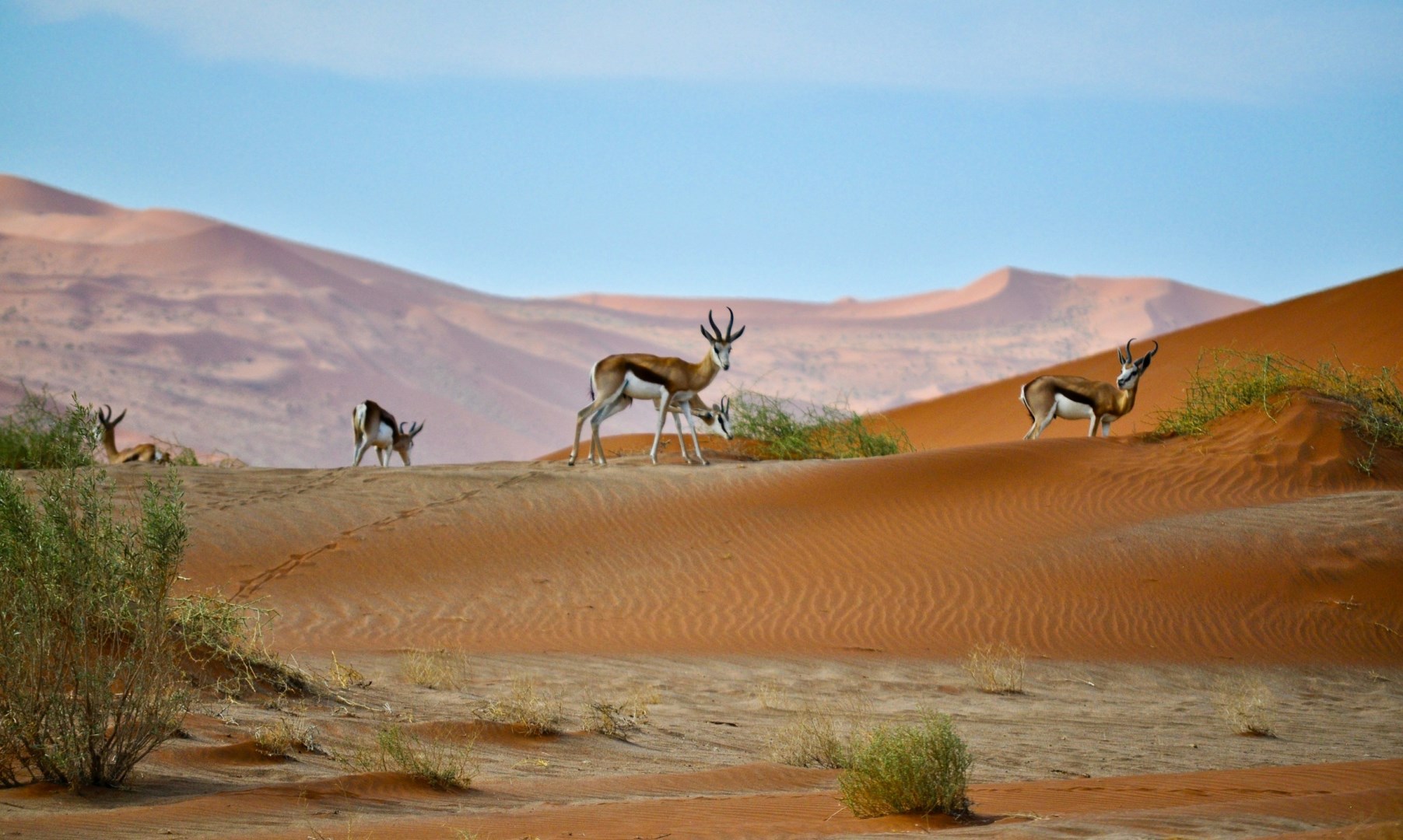
Sesriem, located in the heart of Namibia’s Namib Desert, serves as the gateway to the world-famous Sossusvlei and Deadvlei, two of Namibia’s most iconic landscapes. The dramatic red dunes of the Namib Desert, some of the highest in the world, are an awe-inspiring sight, particularly at sunrise when the light casts long shadows, creating an otherworldly contrast of colors.
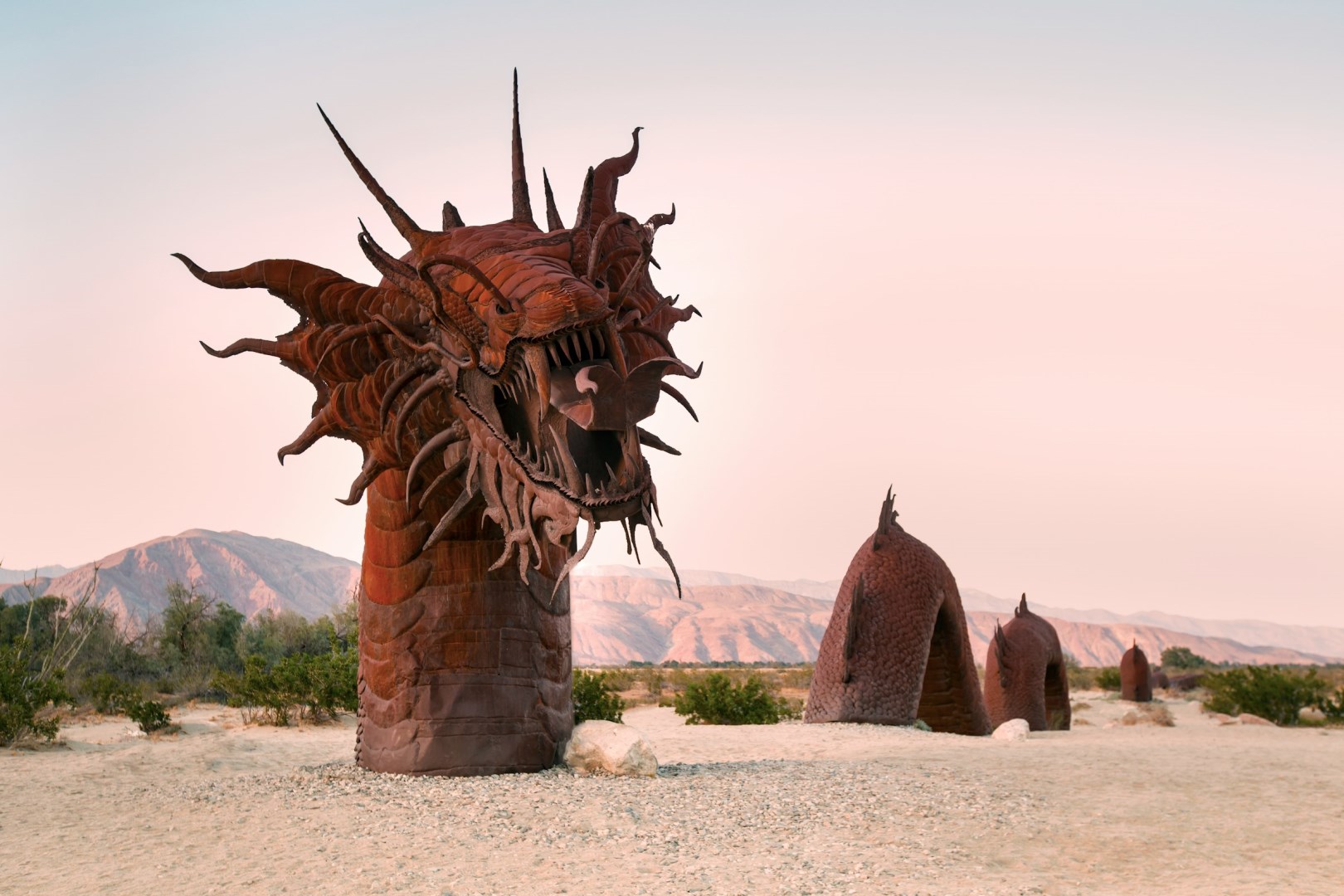
Anza-Borrego Desert State Park occupies a large area of southeastern California, extending across the Colorado Desert east of San Diego County. It is California’s largest state park and contains a varied desert landscape of broad valleys, badlands, rocky mountains, palm oases, dry washes, and sandy plains. The park takes its name from Spanish explorer Juan Bautista de Anza and the Spanish word for bighorn sheep.
Photo Credit: Photo by Unseen Histories on Unsplash
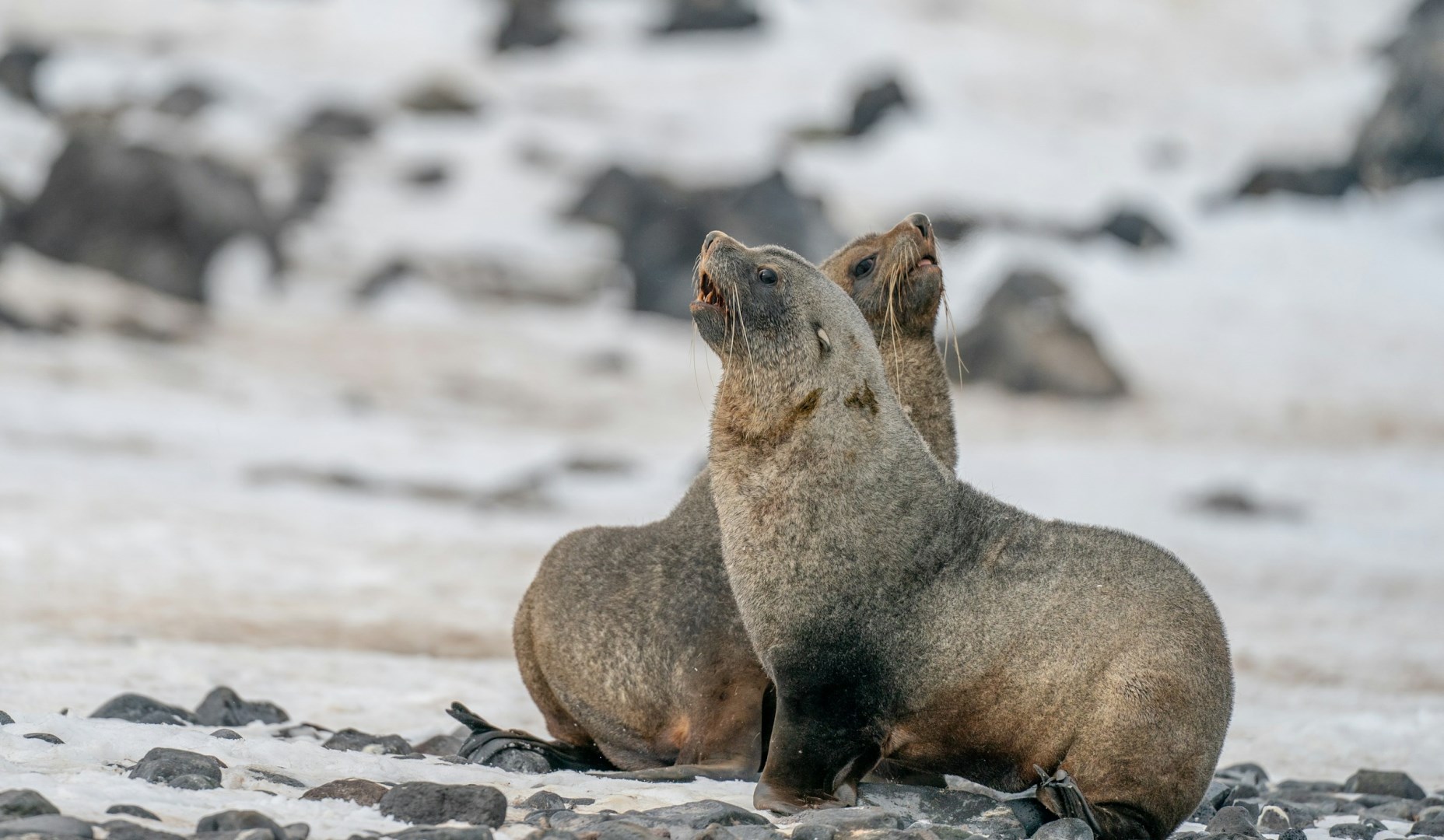
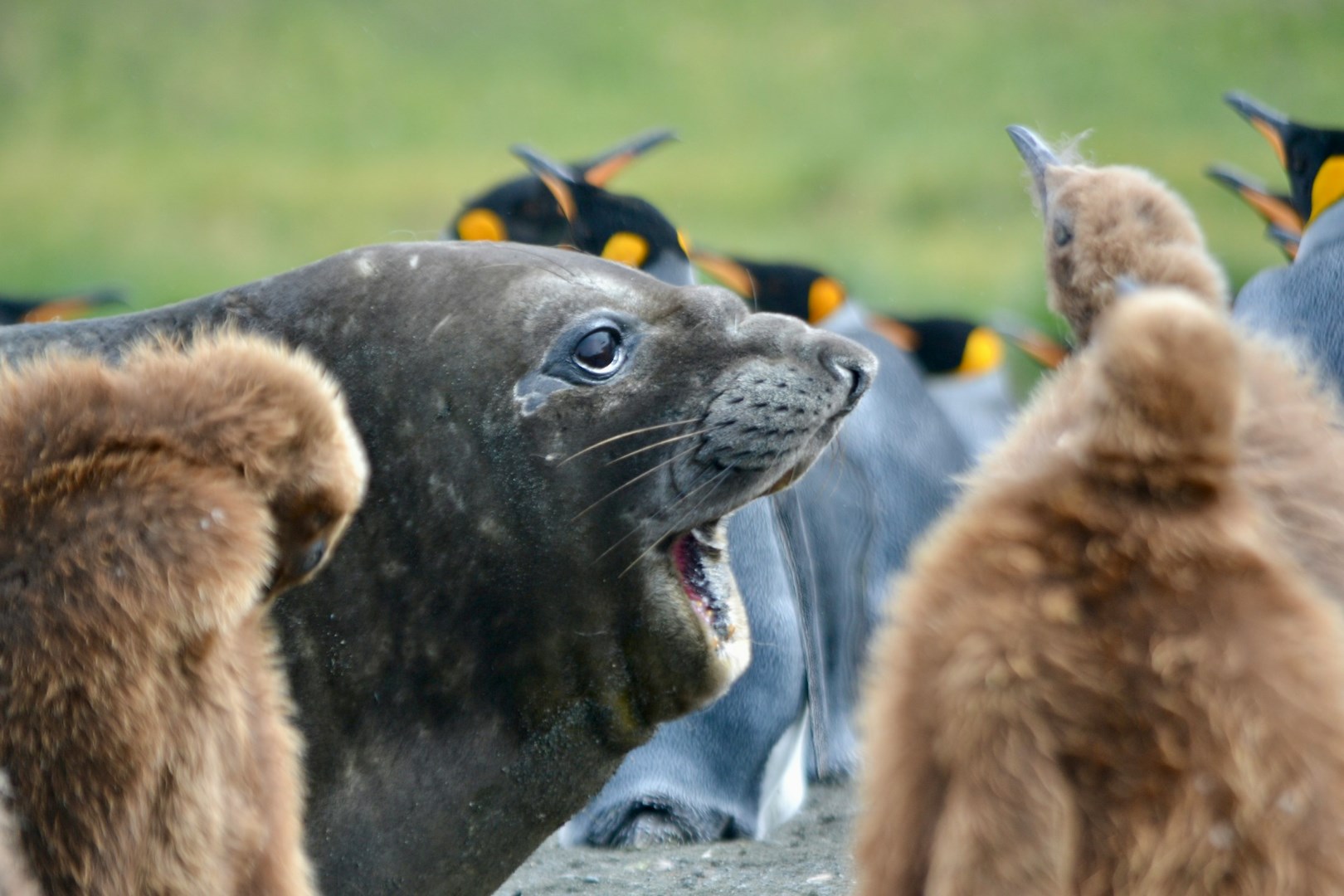
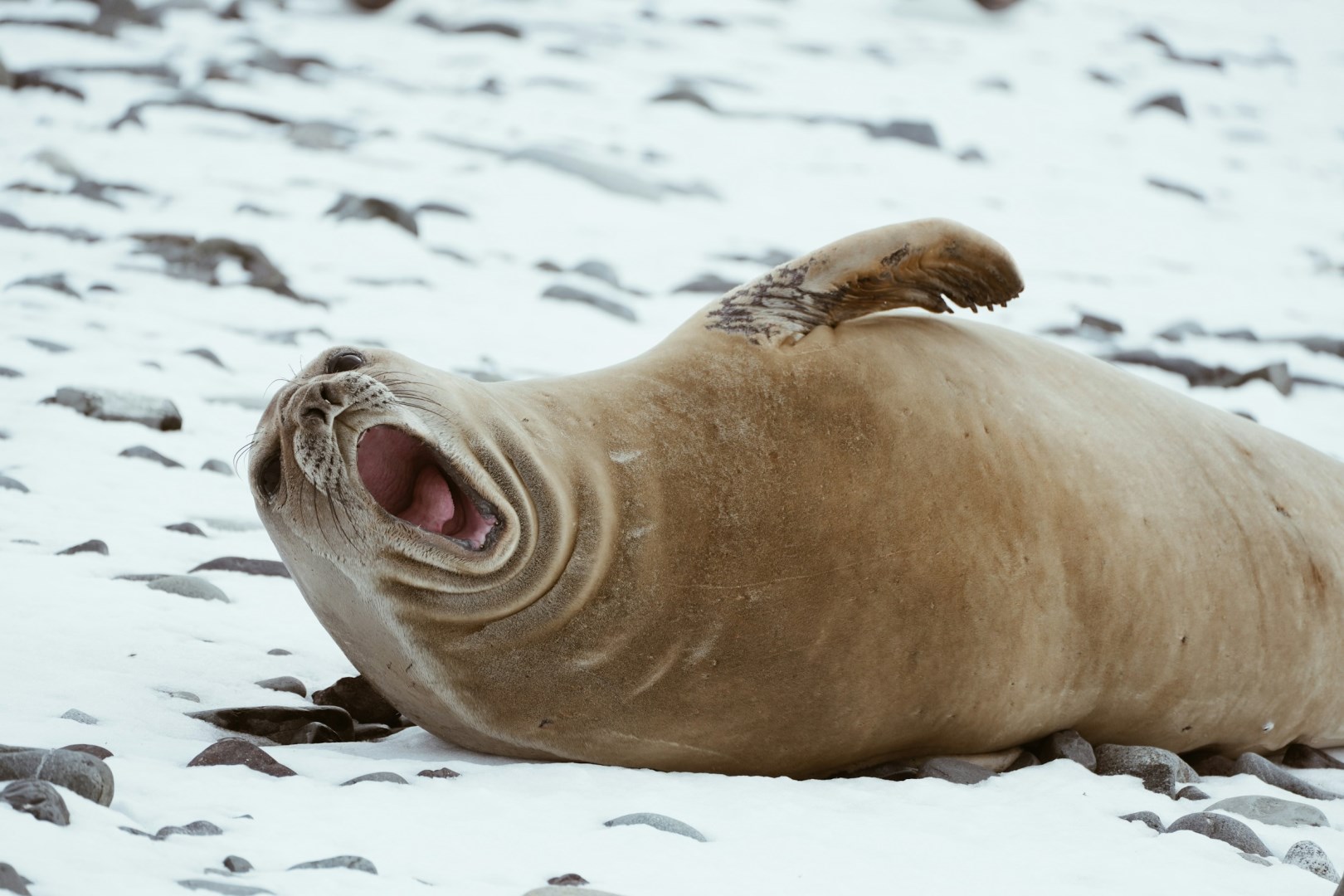
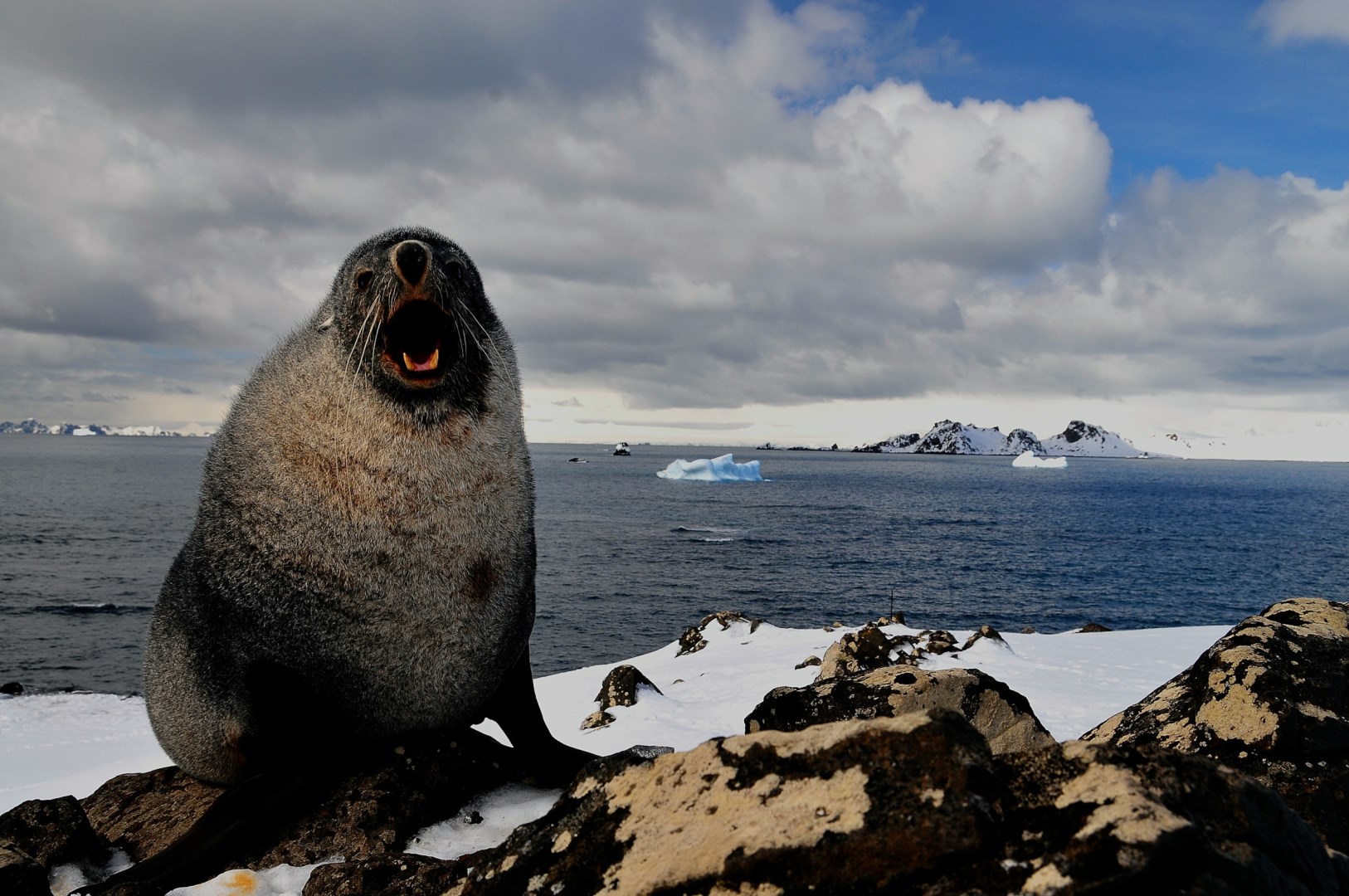
Fur Seals
Photo Credit: Photo by Bob Brewer on Unsplash
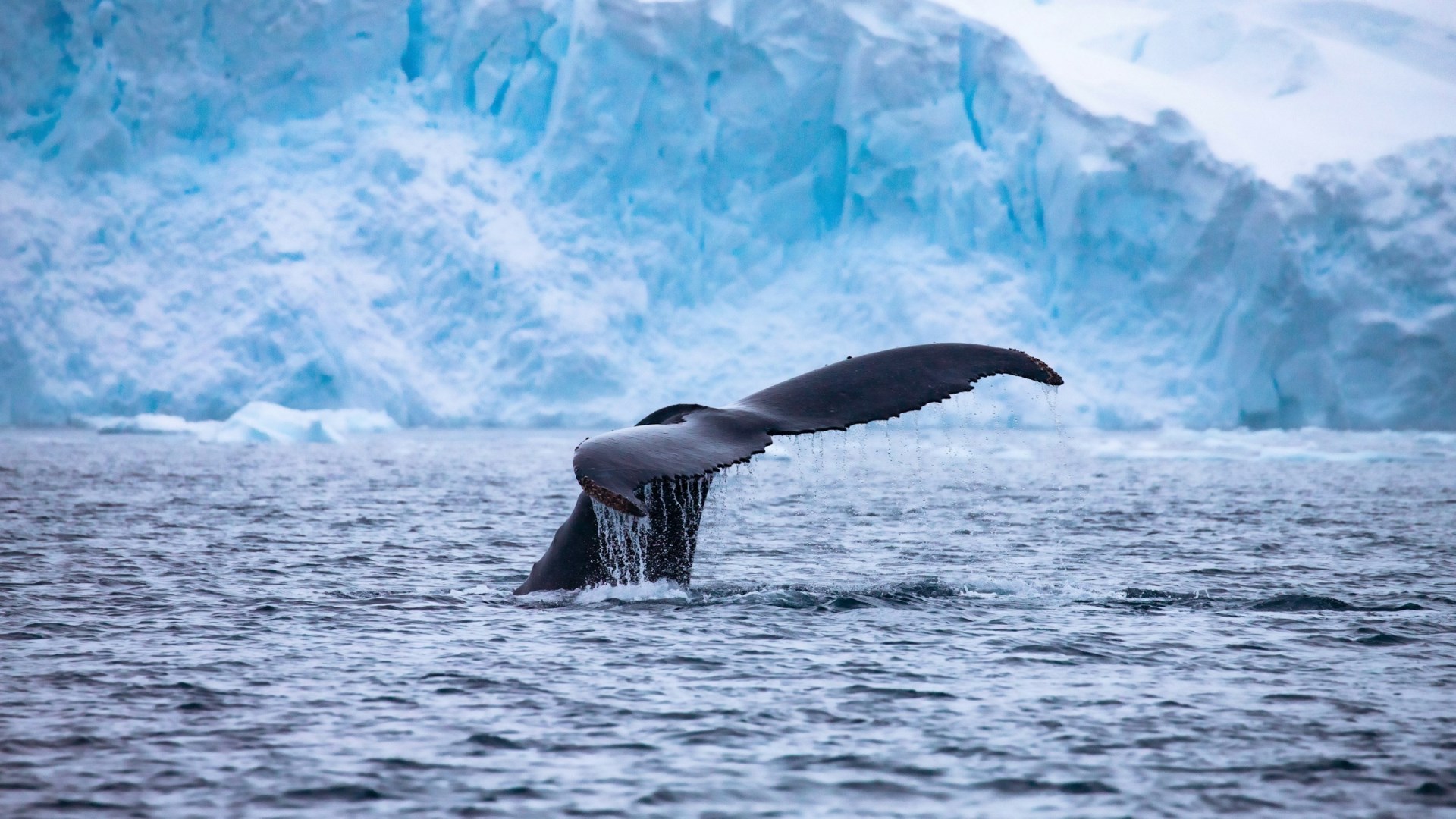
Whale
Photo Credit: Photo by Lee Kelai on Unsplash
Photo Credit: Photo by Angie Corbett-Kuiper on Unsplash
Photo Credit: Photo by Dylan Shaw on Unsplash
Photo Credit: Photo by TC Photography on Unsplash
Photo Credit: Photo by Torsten Dederichs on Unsplash
Neko Harbor
Photo Credit: Photo by 66 north on Unsplash
Photo Credit: Photo by Martin Wettstein on Unsplash
Photo Credit: Photo by TC Photography on Unsplash
Photo Credit: Photo by Torsten Dederichs on Unsplash
Photo Credit: Photo by TC Photography on Unsplash
Photo Credit: Photo by Matthew Stephenson on Unsplash
Photo Credit: Photo by Derek Oyen on Unsplash
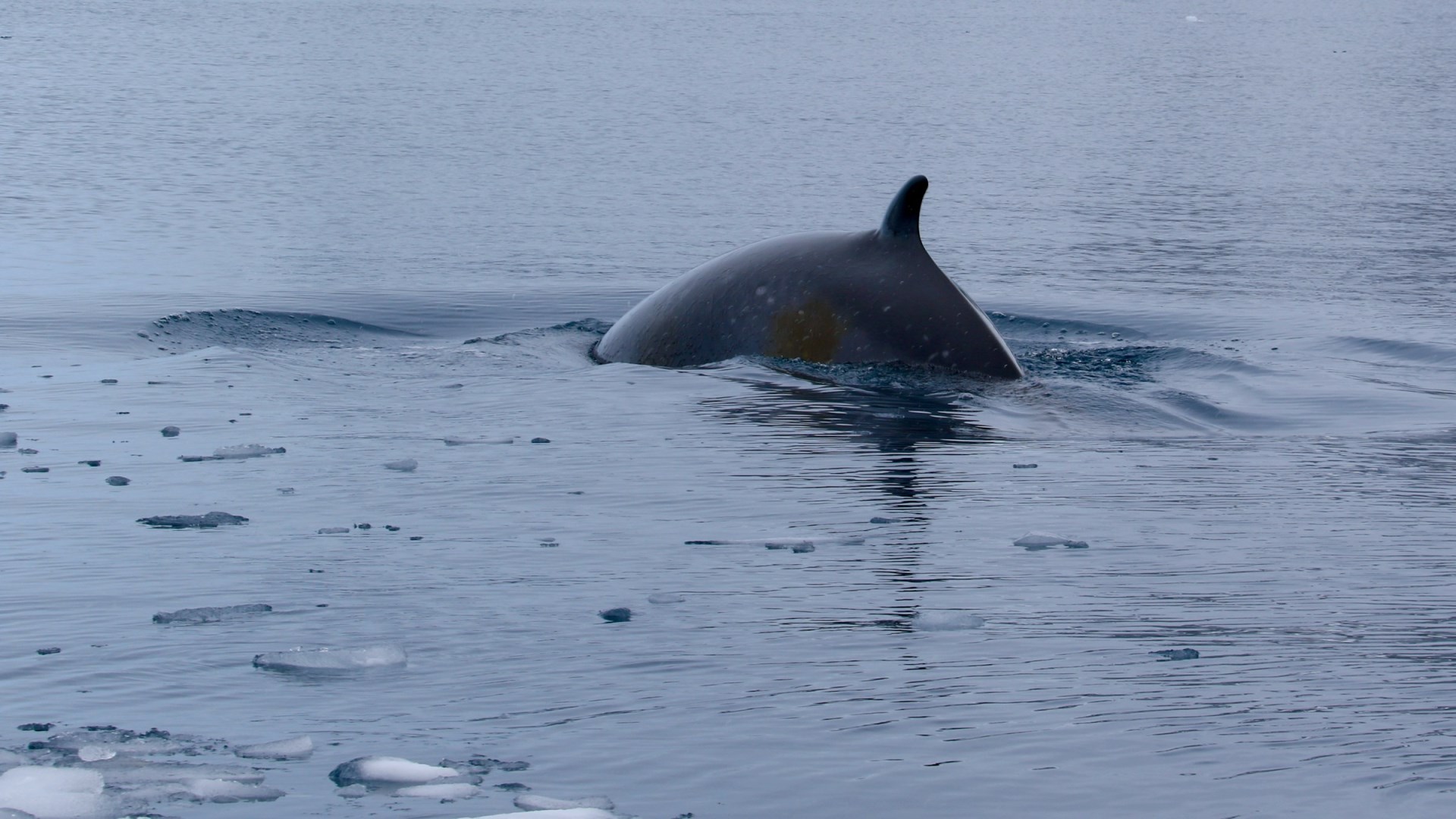
Minke Whale
Photo Credit: Photo by Rowan Simpson on Unsplash
Photo Credit: Photo by Cassie Matias on Unsplash
Photo Credit: Photo by Deanna Wong on Unsplash
Photo Credit: Photo by Torsten Dederichs on Unsplash
Photo Credit: Photo by Dylan Shaw on Unsplash
Cape Shirreff, Livingston Island
Photo Credit: Photo by NOAA on Unsplash
Photo Credit: Photo by Francesco Ungaro on Unsplash
Photo Credit: Photo by Matt Palmer on Unsplash
Photo Credit: Photo by James Eades on Unsplash
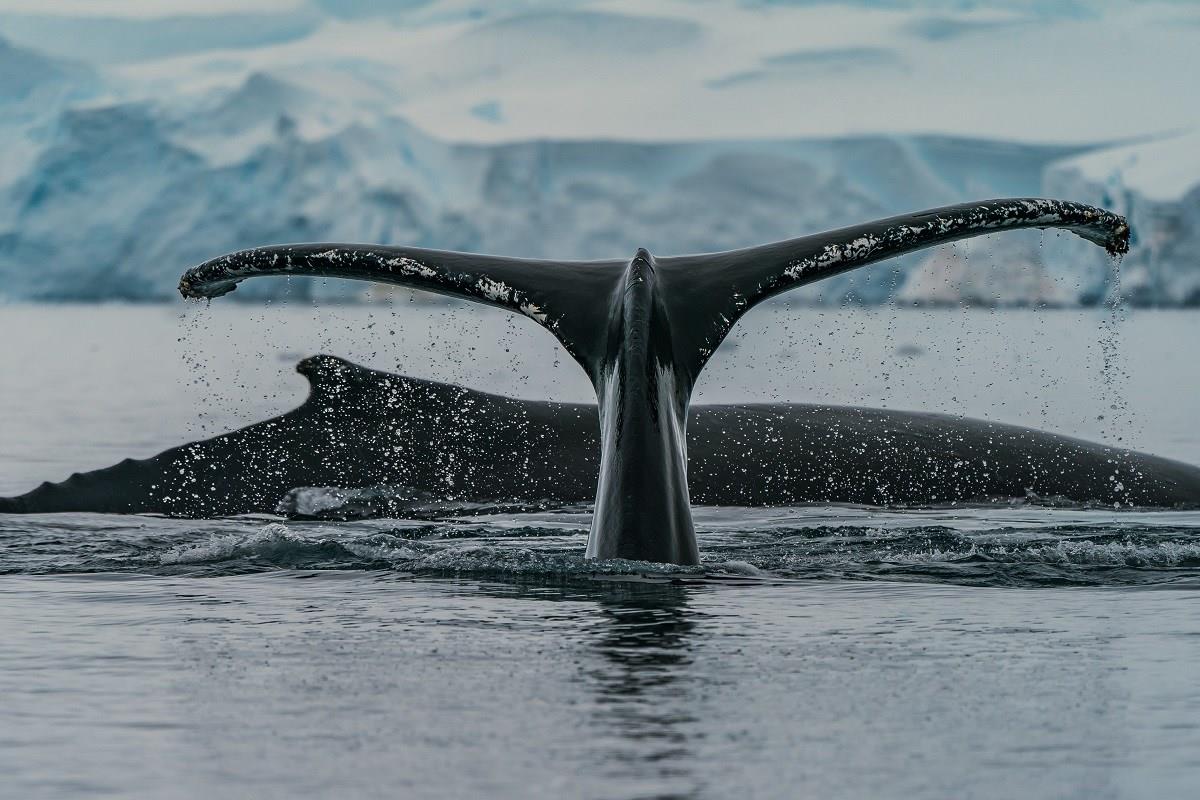
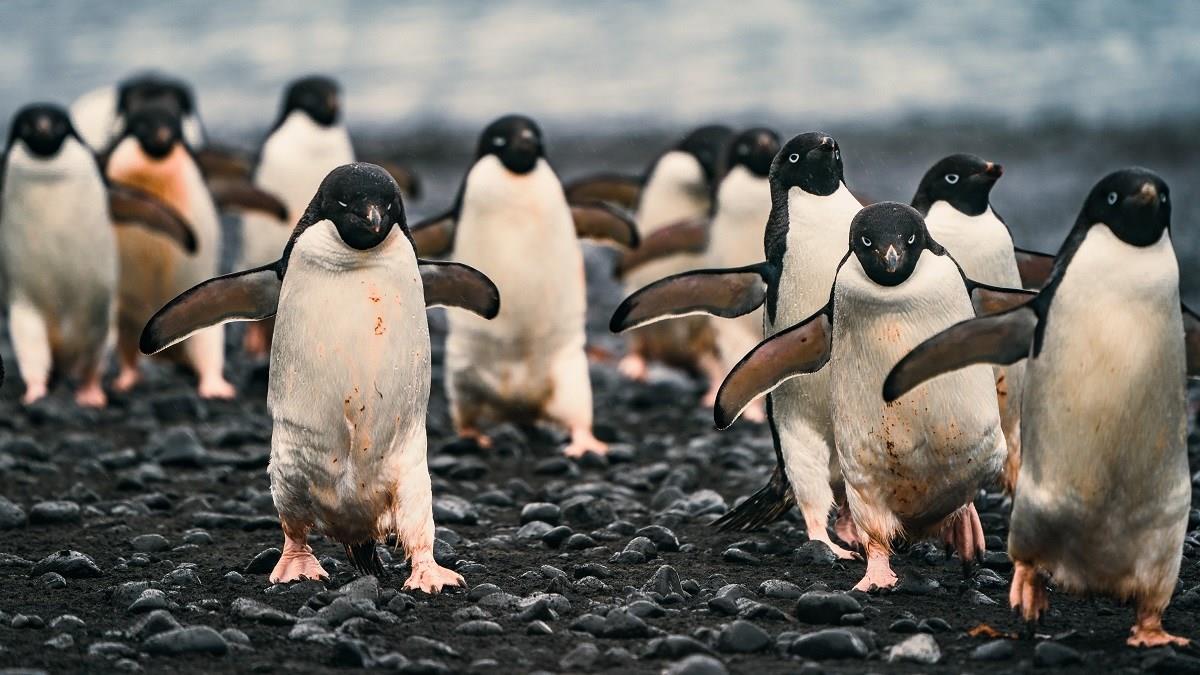
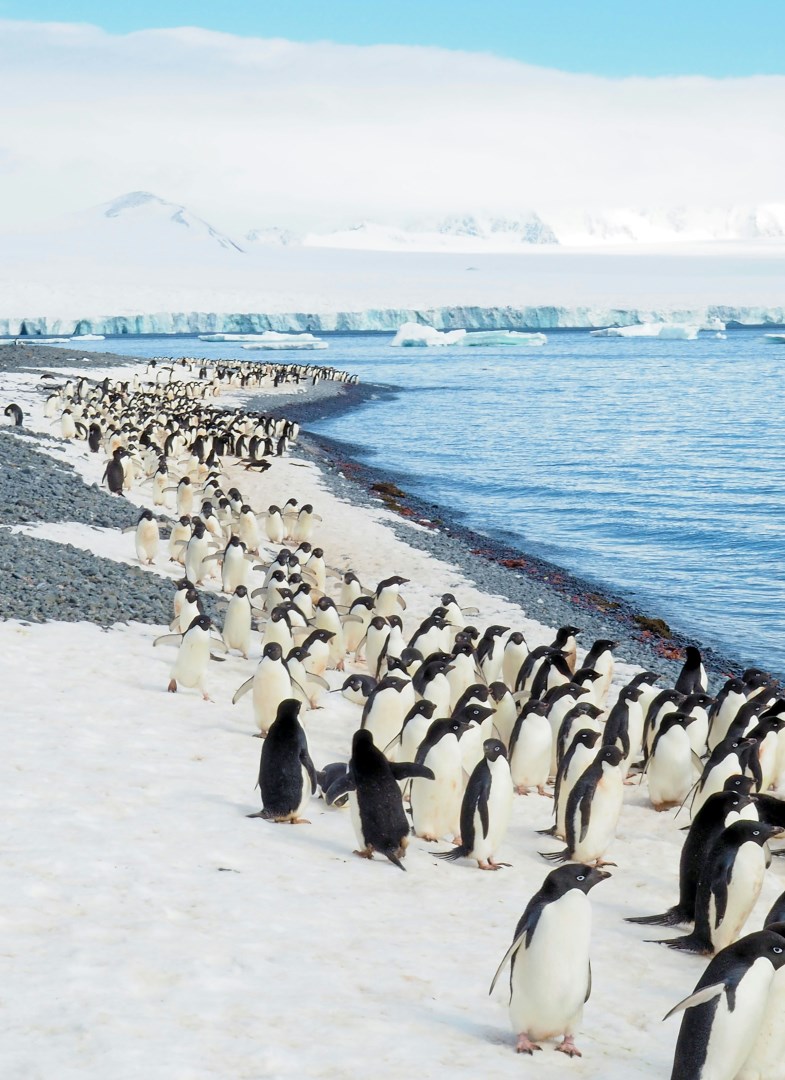
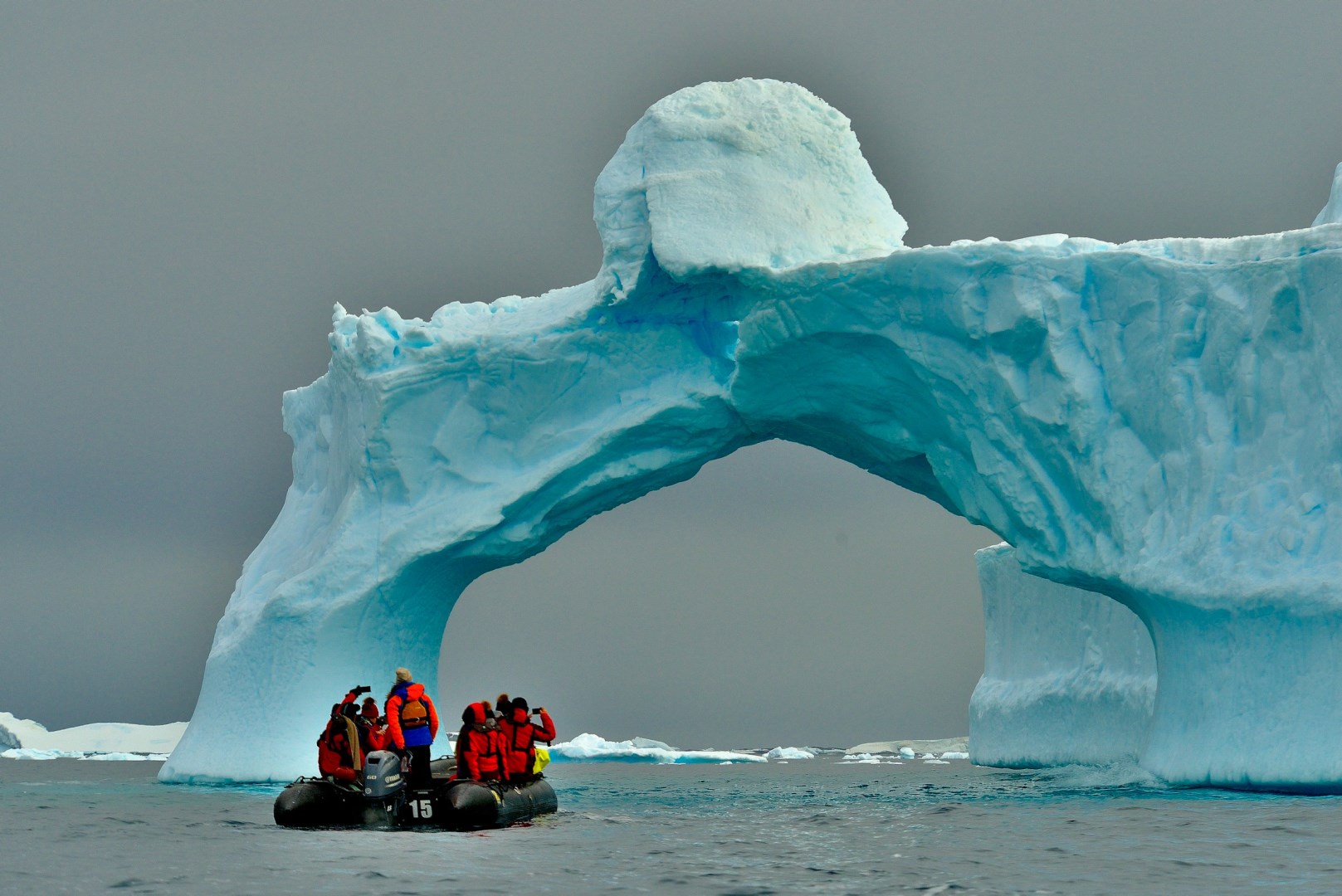
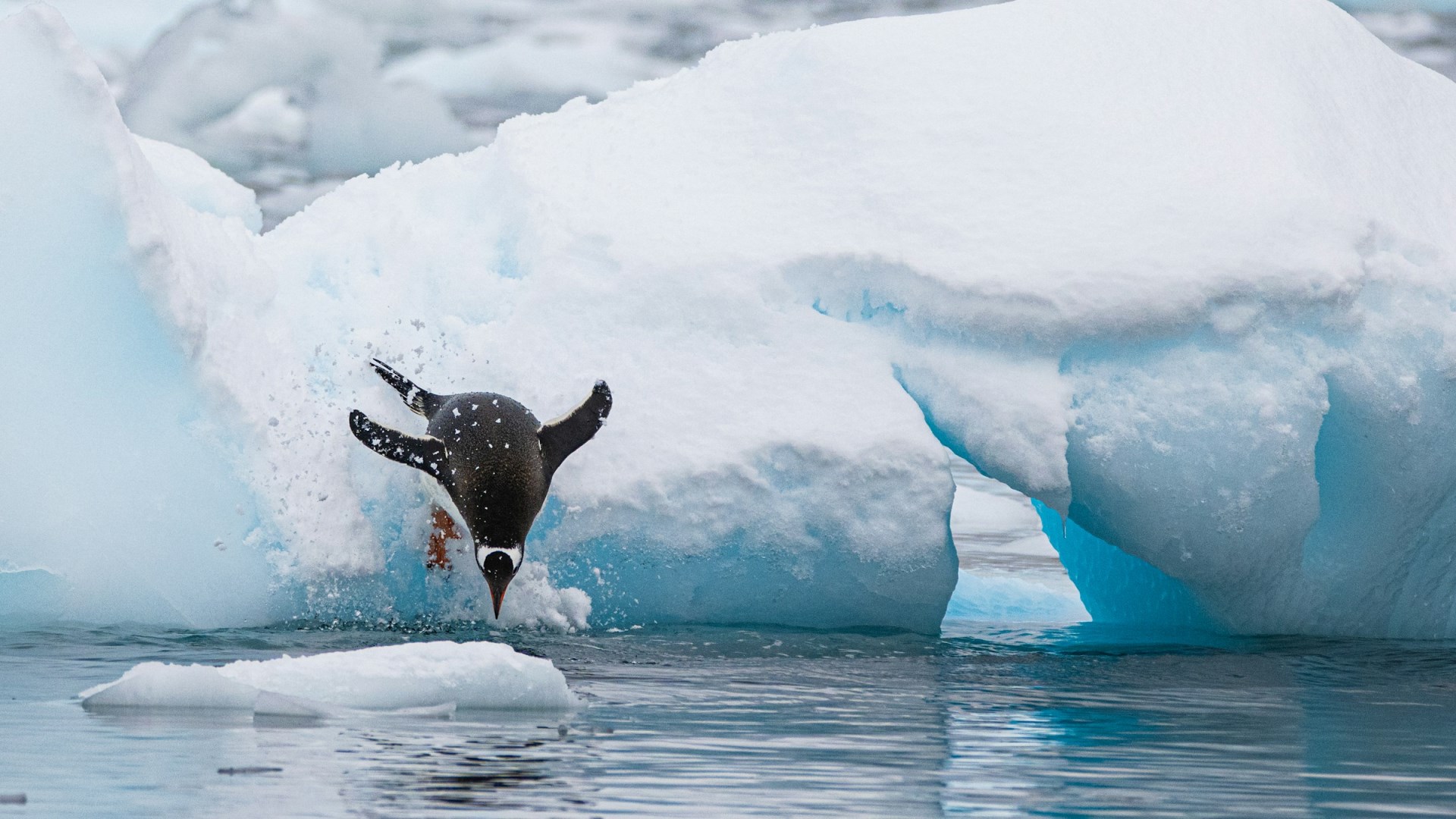
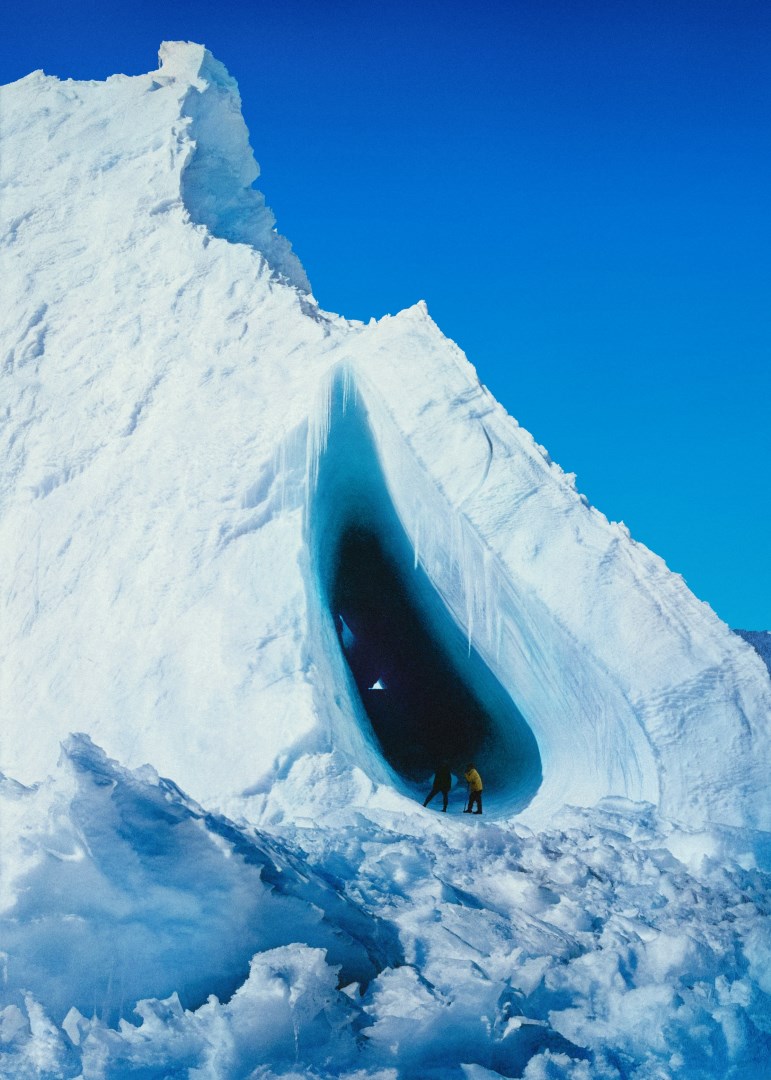
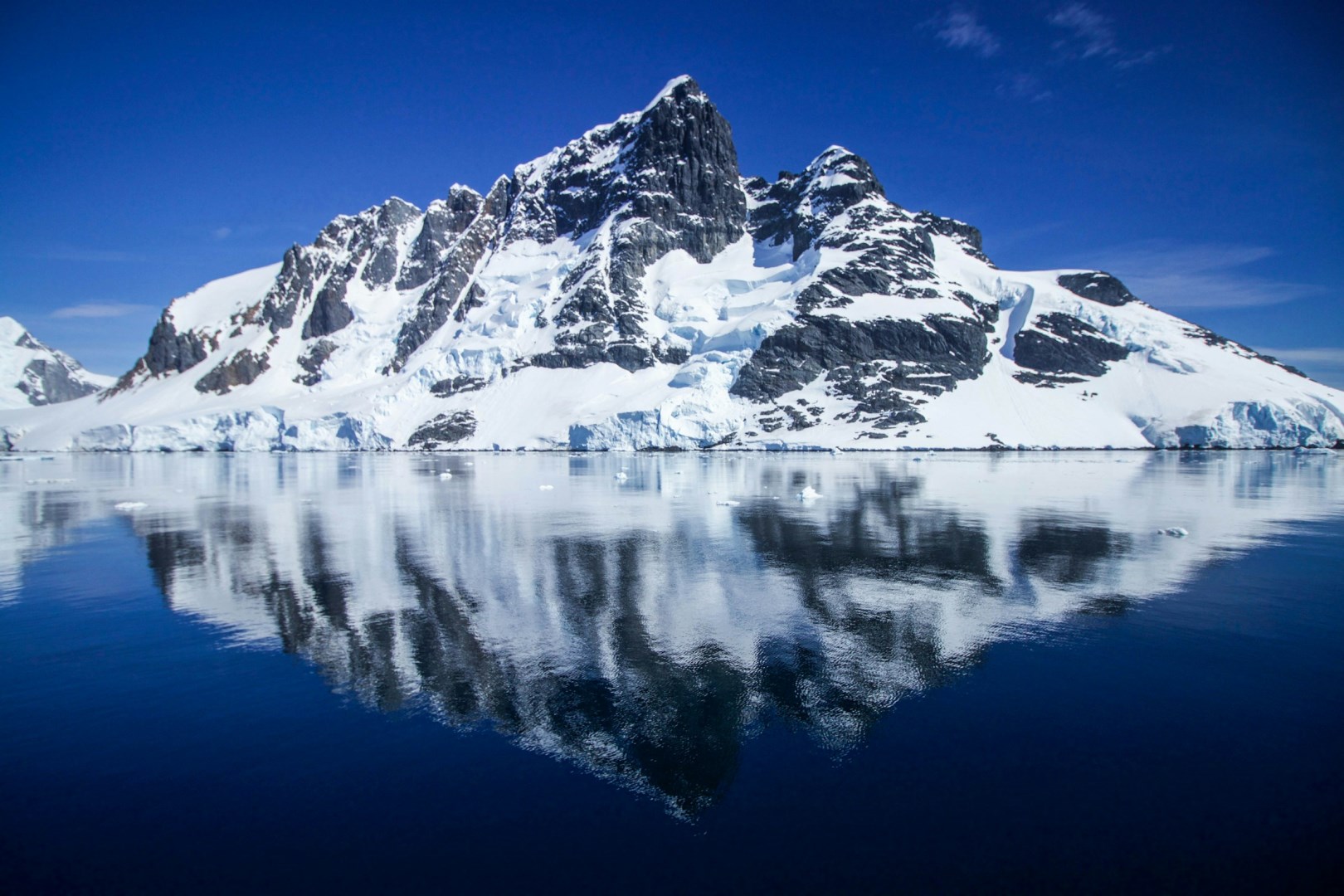
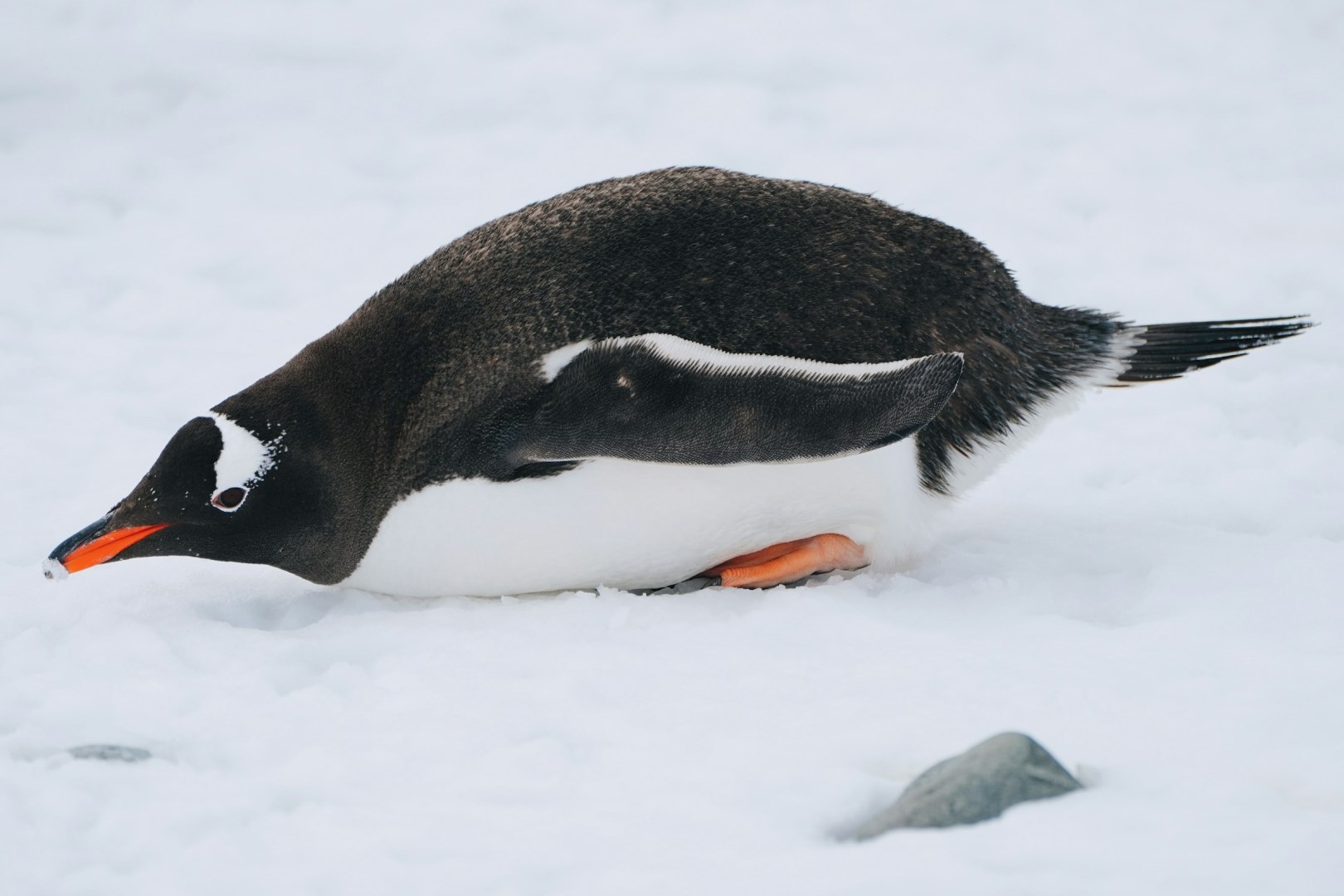
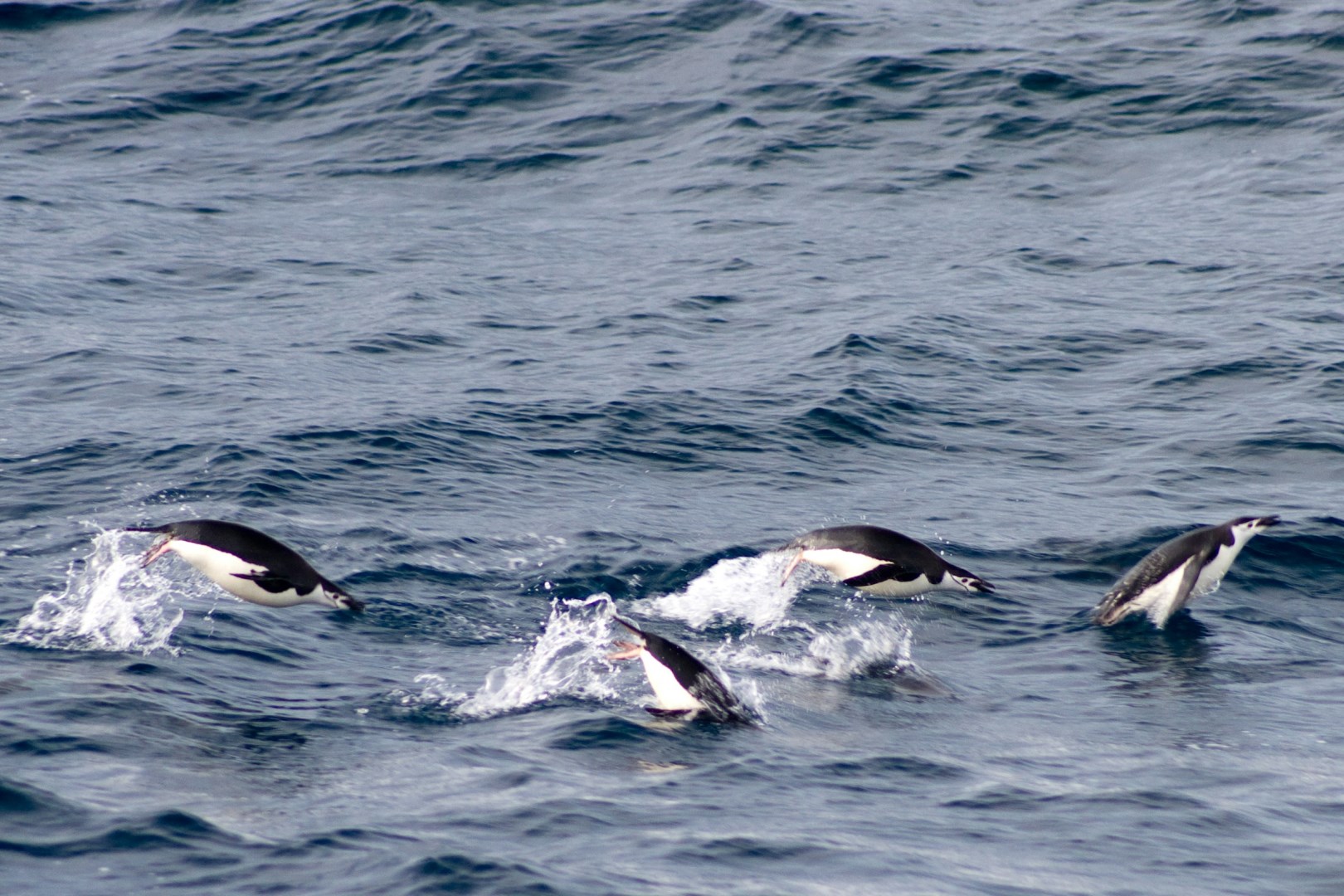
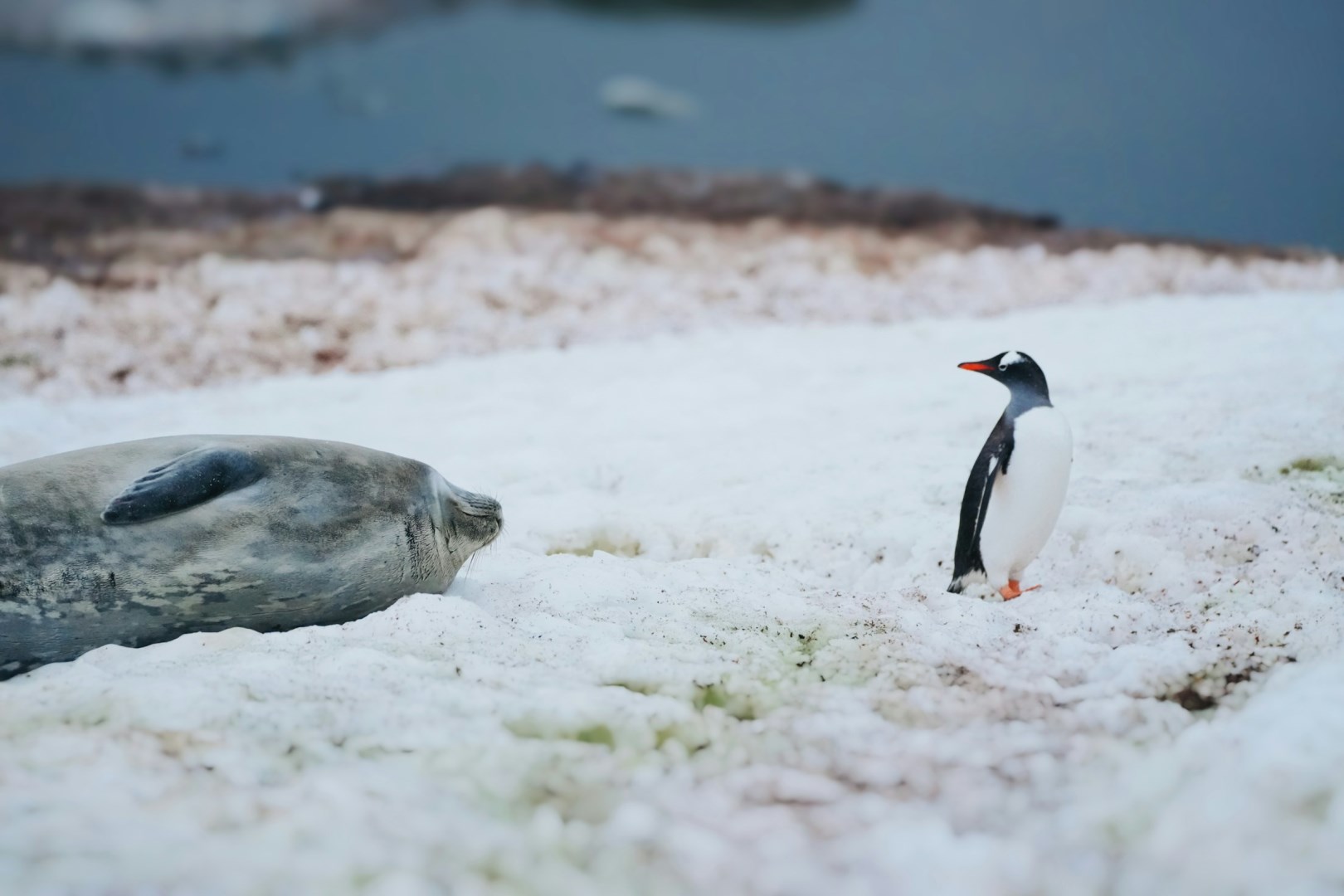
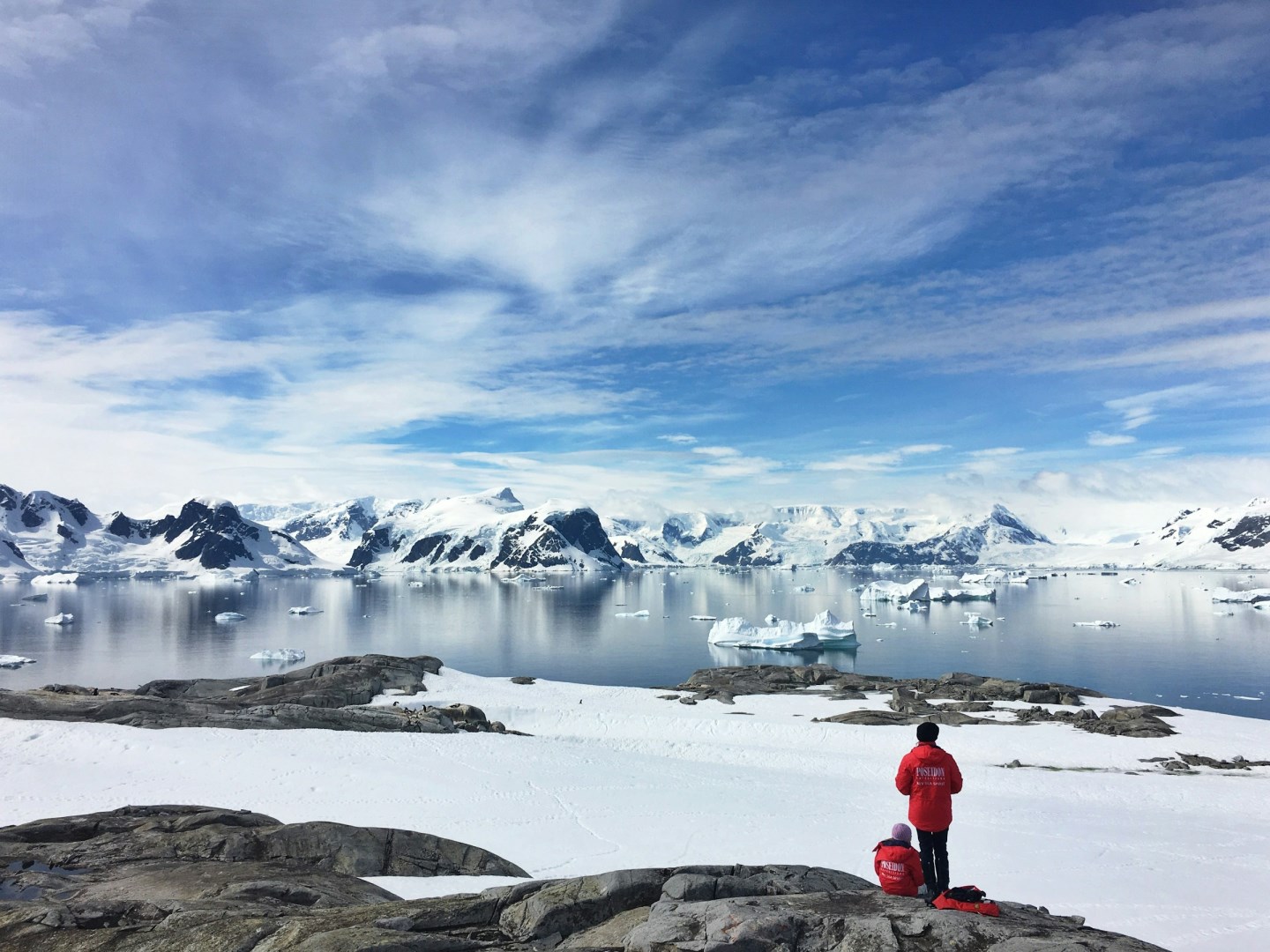
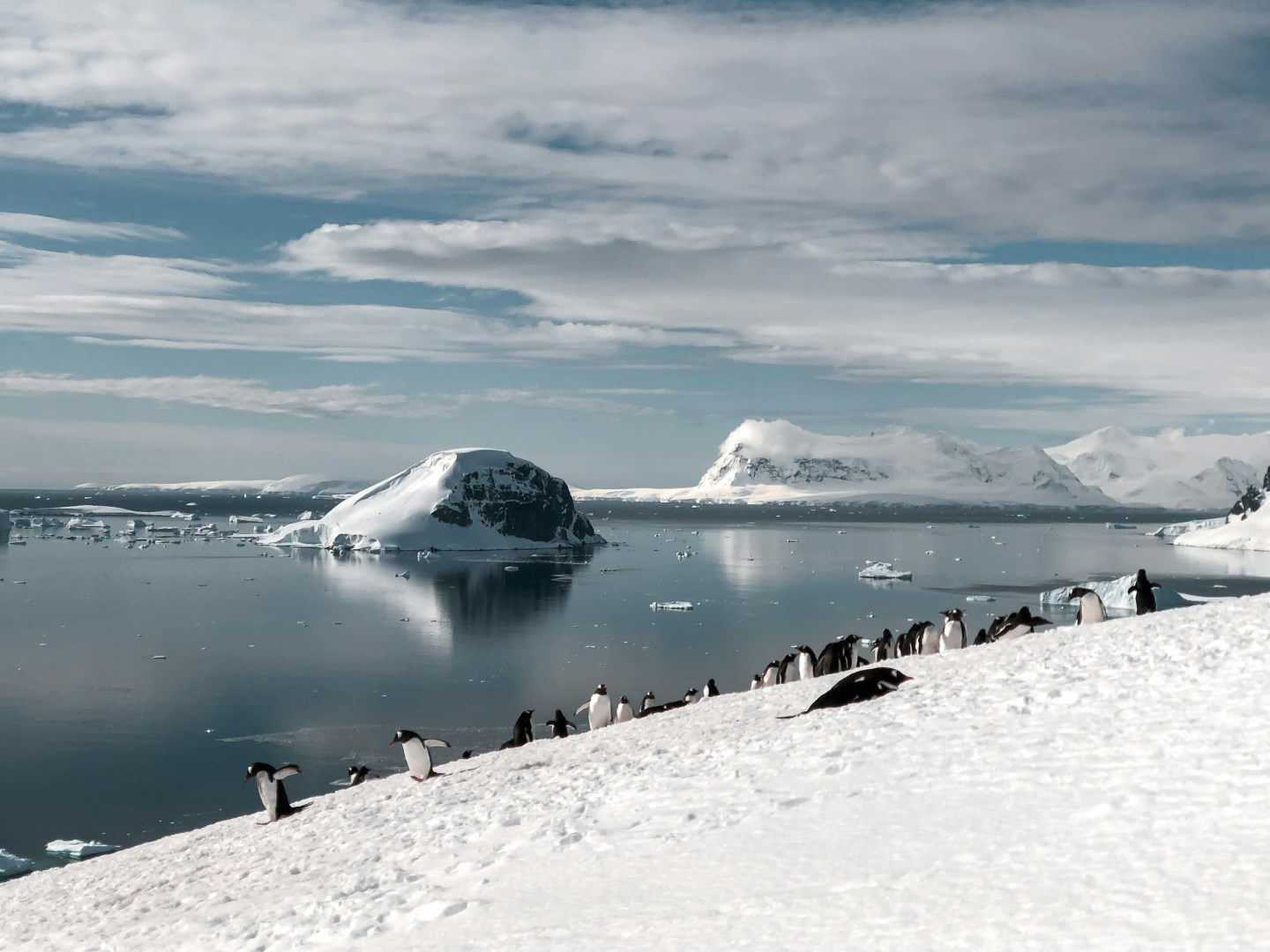
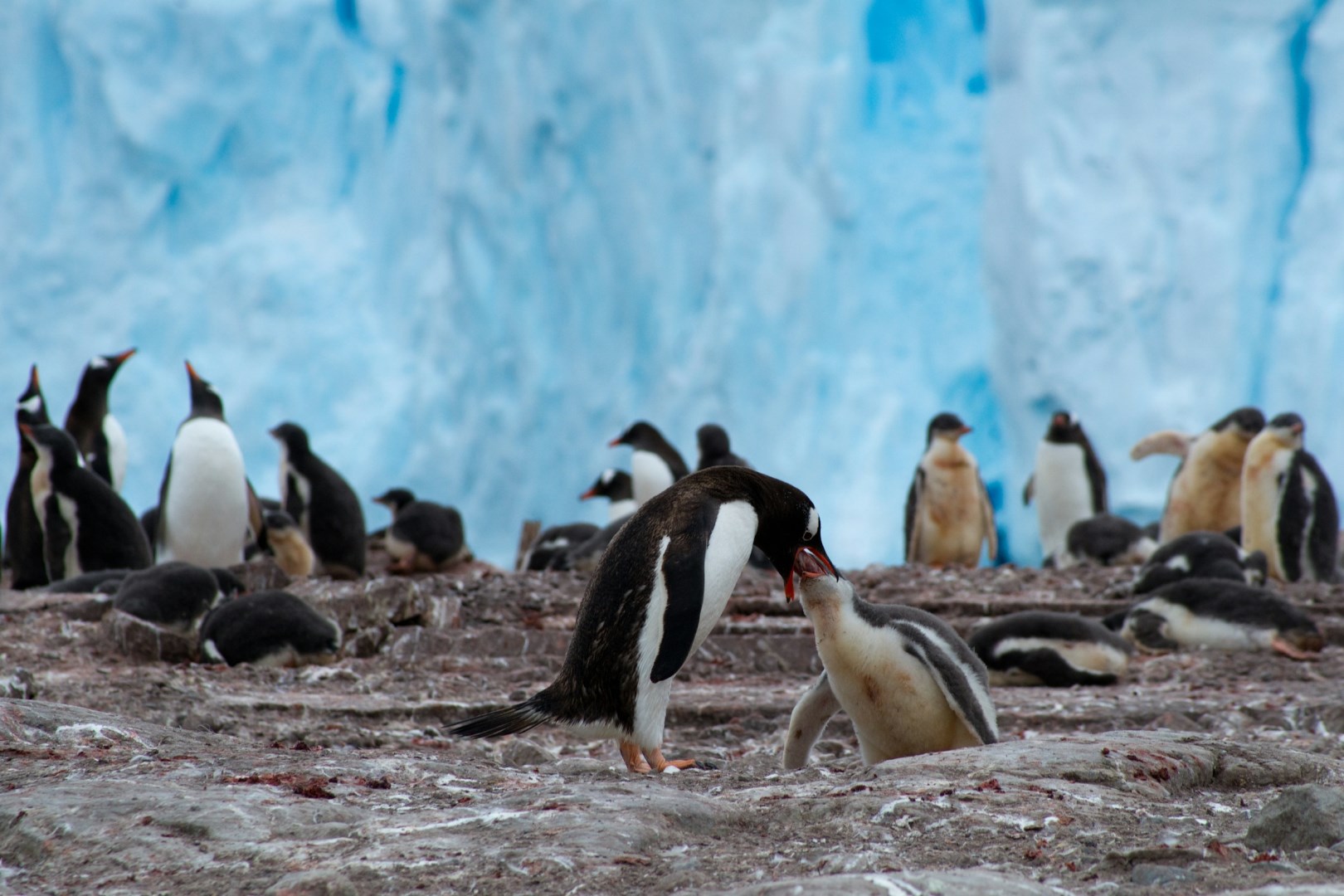
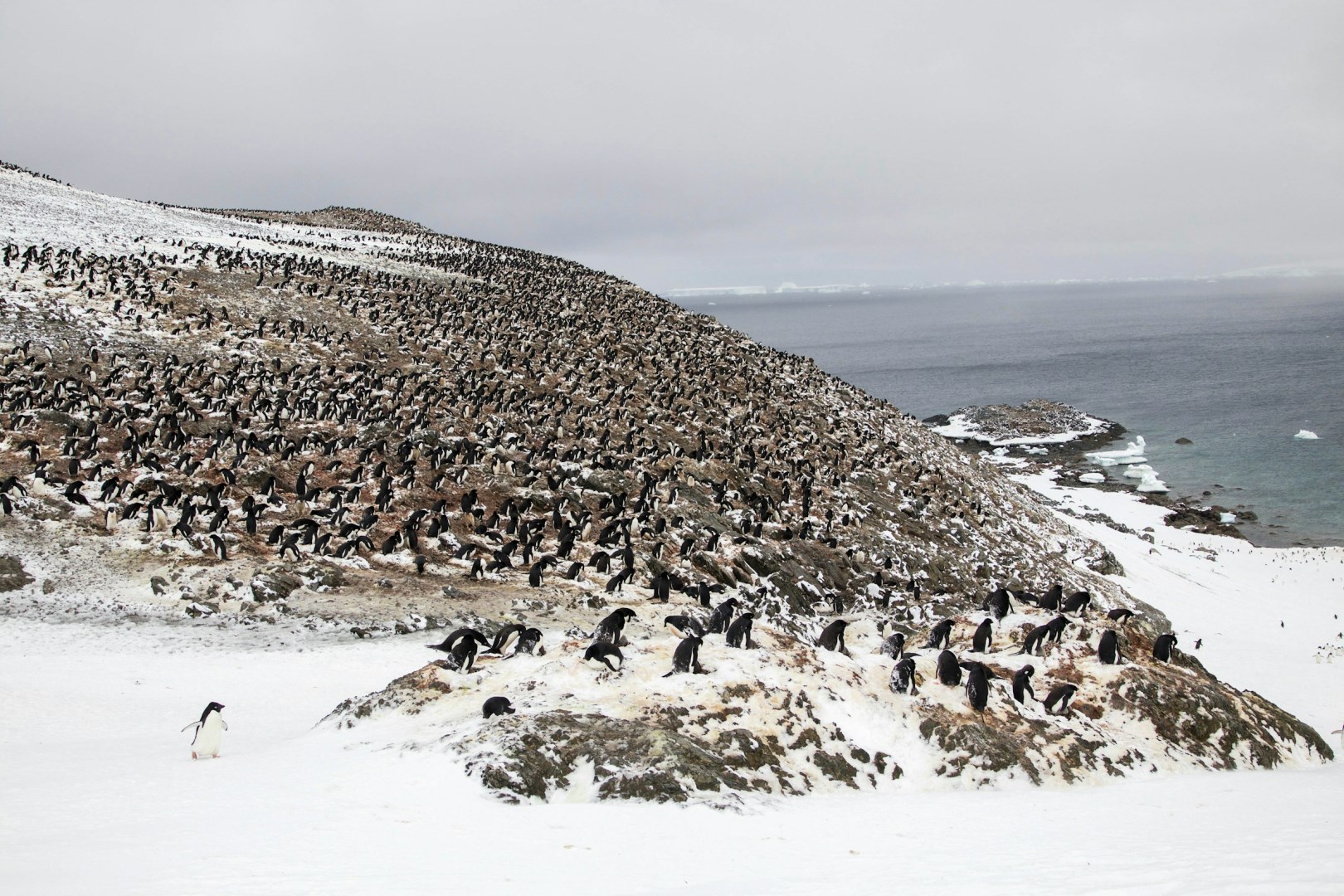
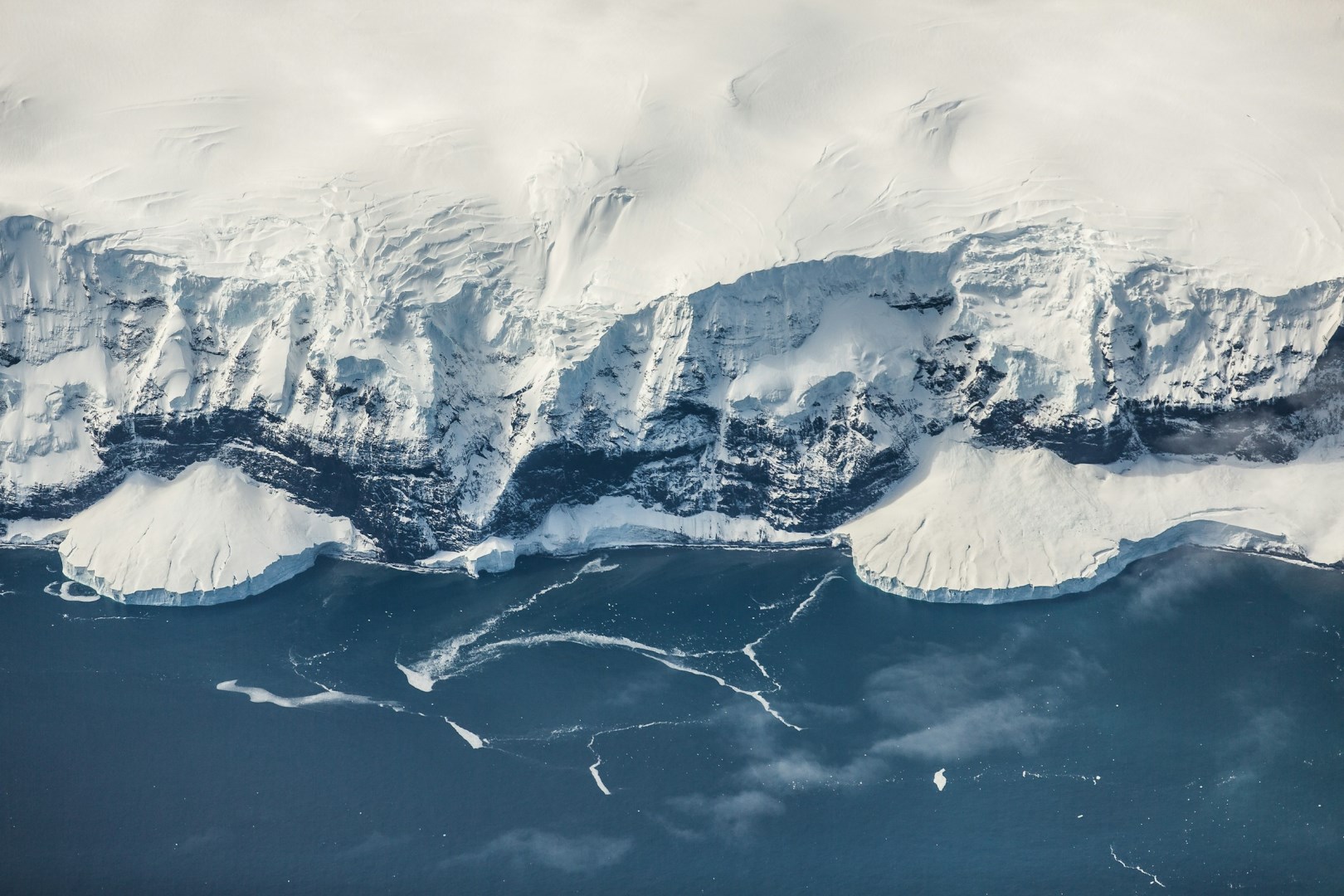
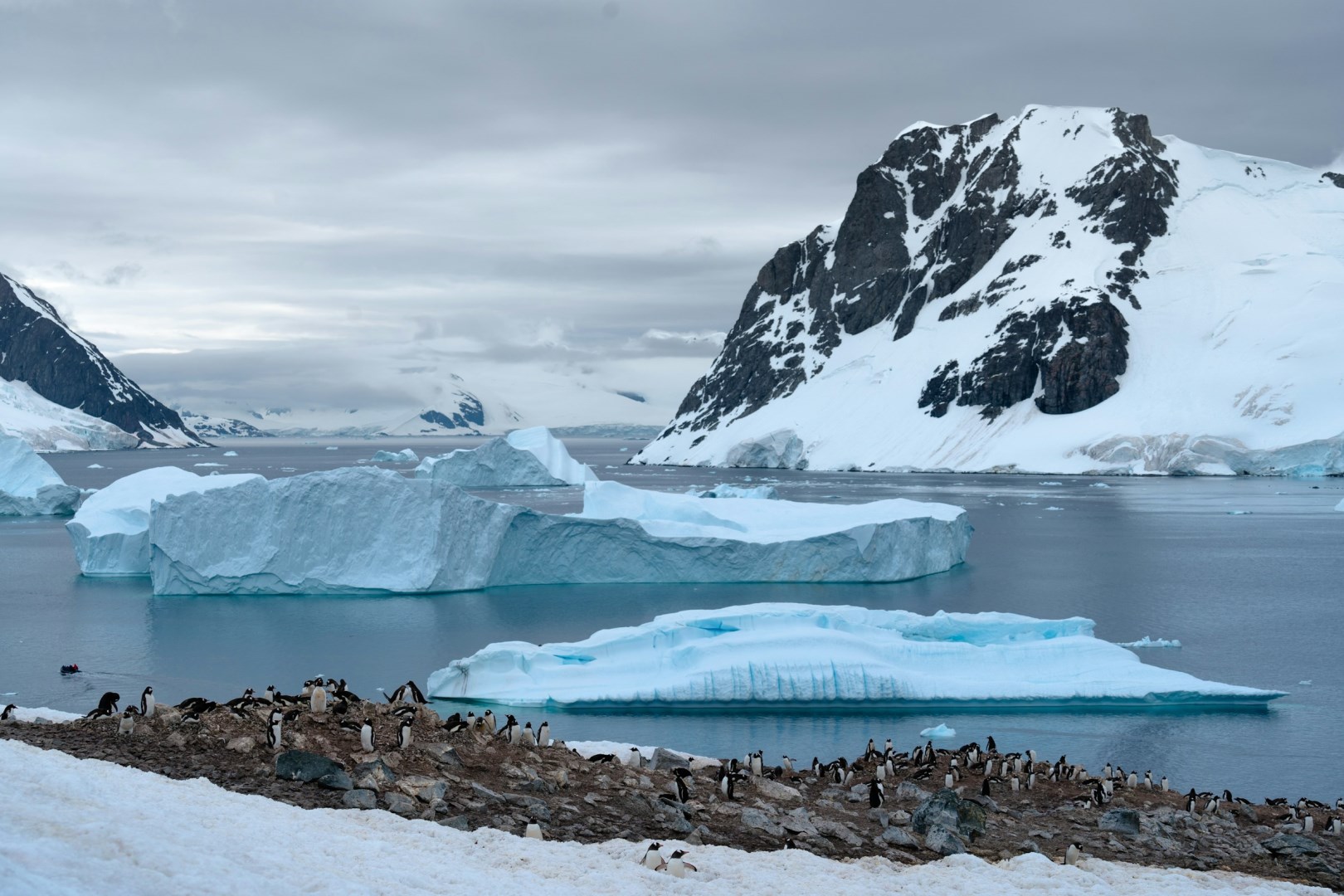
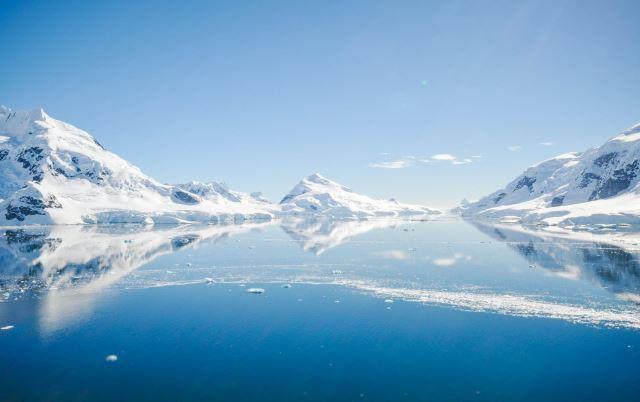
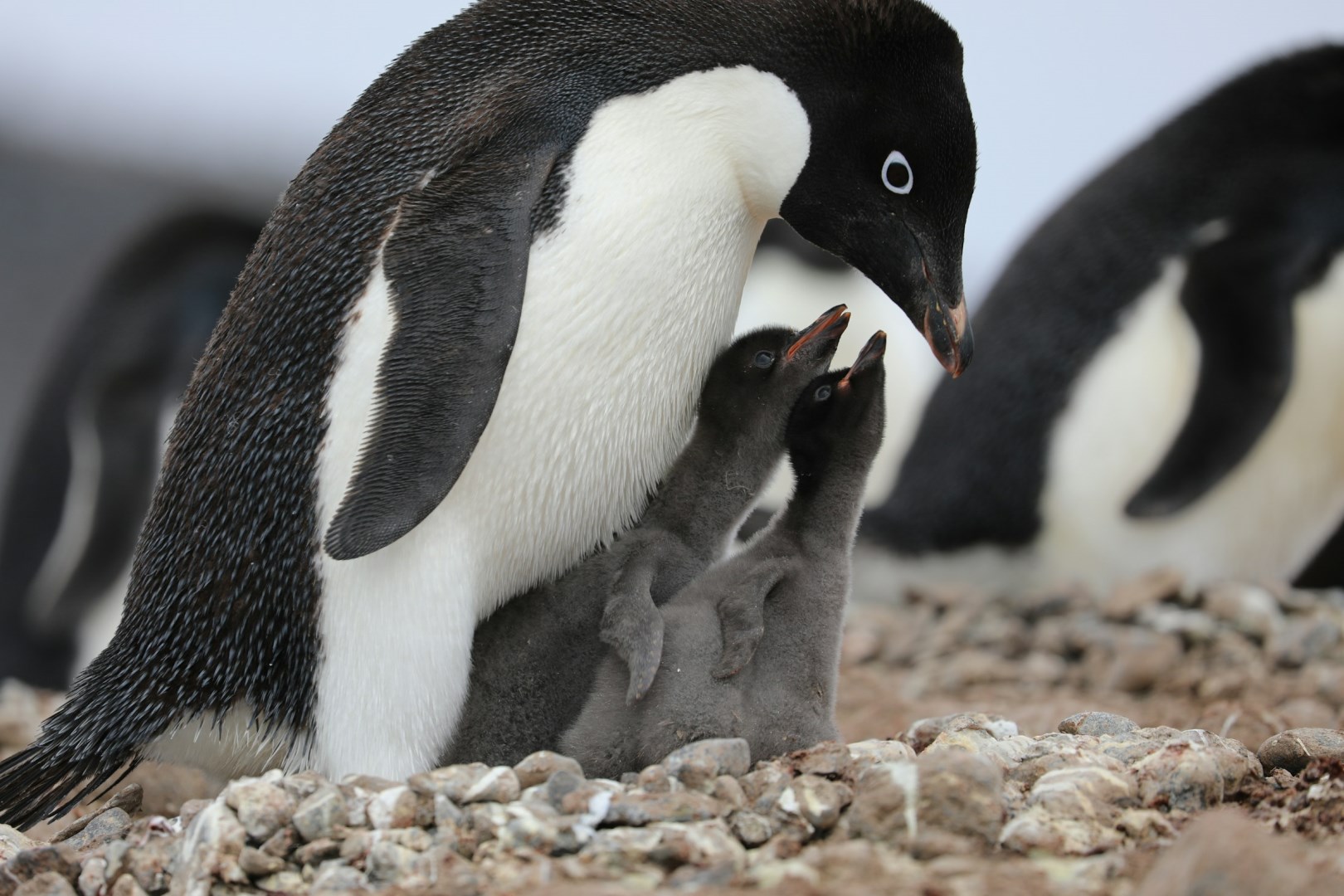
No place on Earth quite compares to Antarctica, this stunning and vast continent is cold and windy, containing 90% of the ice in the world. Those who brave a visit here are rewarded with beautiful glaciers that must be seen to be believed, and a vast array of wildlife such as whales, penguins, Arctic foxes and seals. Antarctica is the only permanent landing area for the Emperor Penguins. Many of the historic explorer huts remain on the island for visitors to see.
Other Popular Destinations in Antarctica

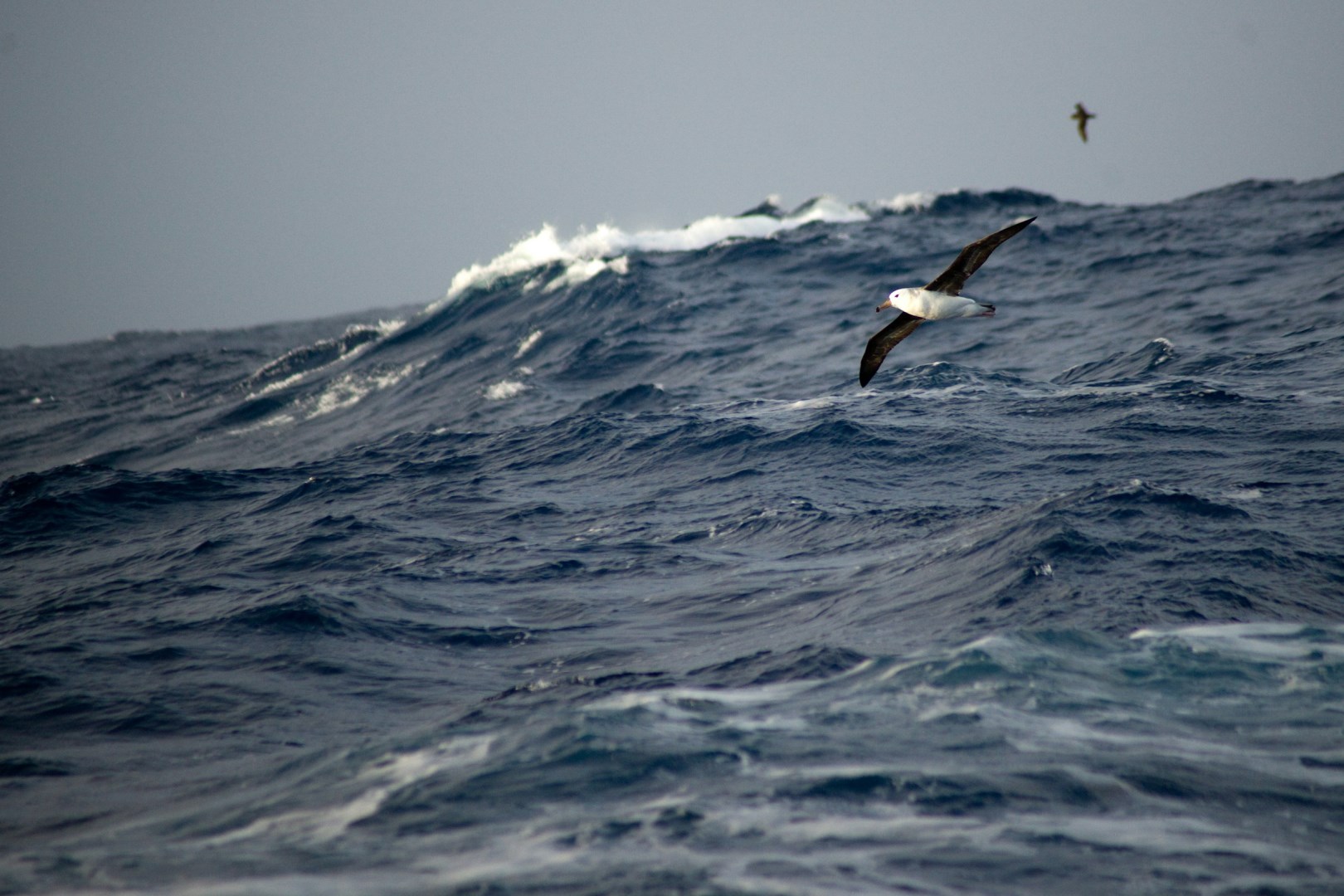
Drake Passage
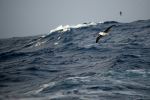
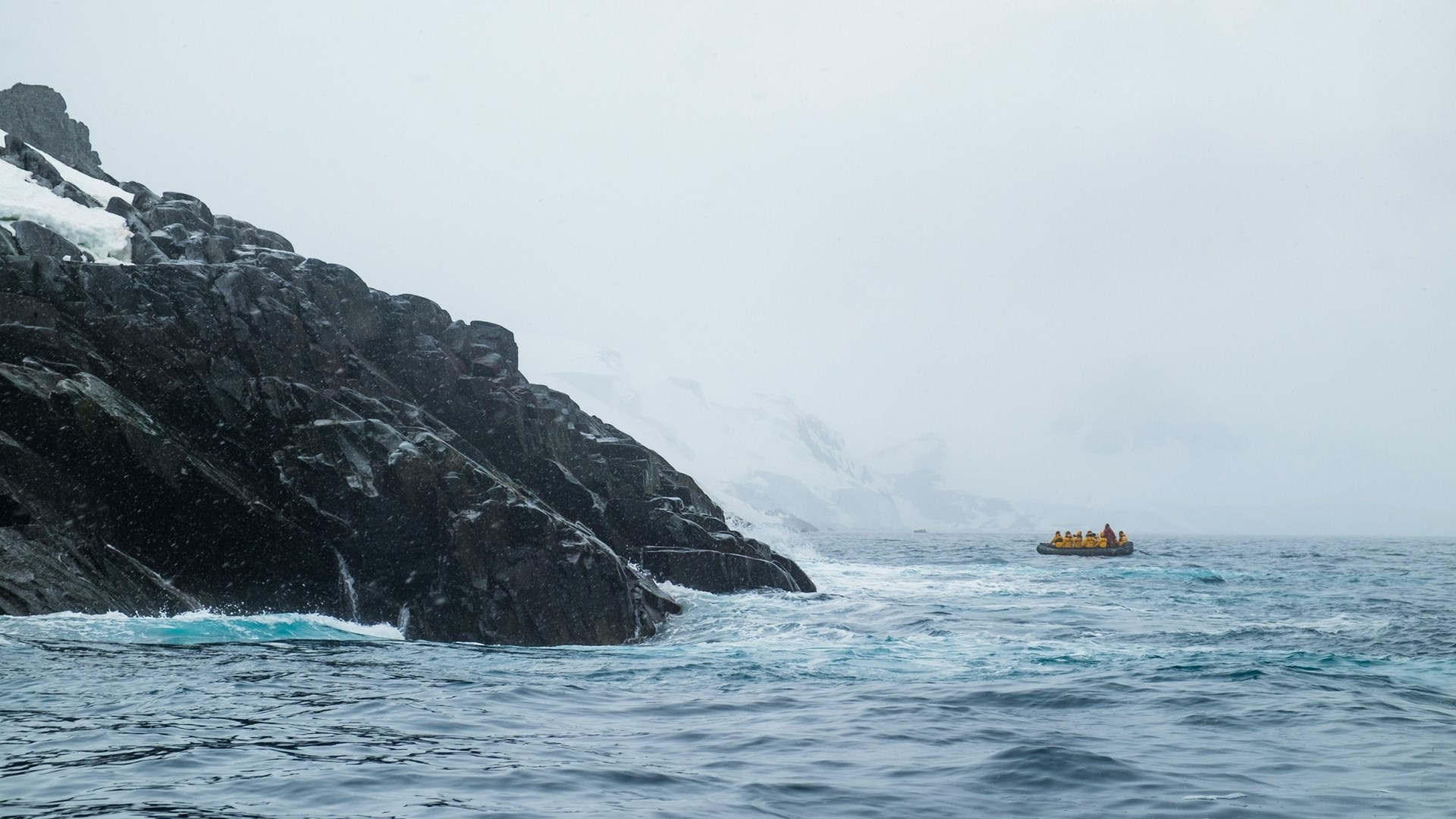
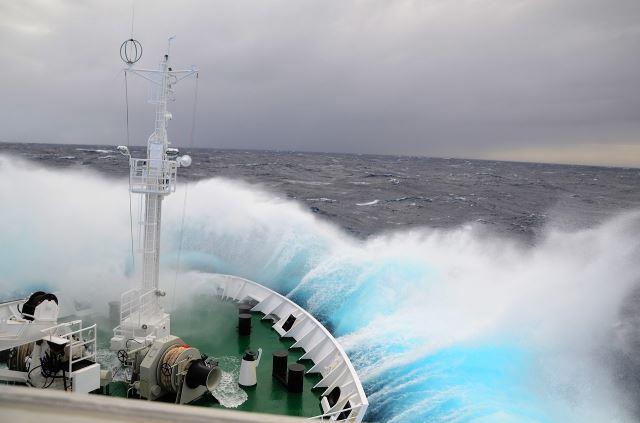
Drake Passage is a stretch of ocean between Cape Horn at the southern tip of South America and the South Shetland Islands near Antarctica. It connects the Atlantic and Pacific Oceans and is widely known for rough seas, powerful currents, and rapidly changing weather.
South Shetland Islands
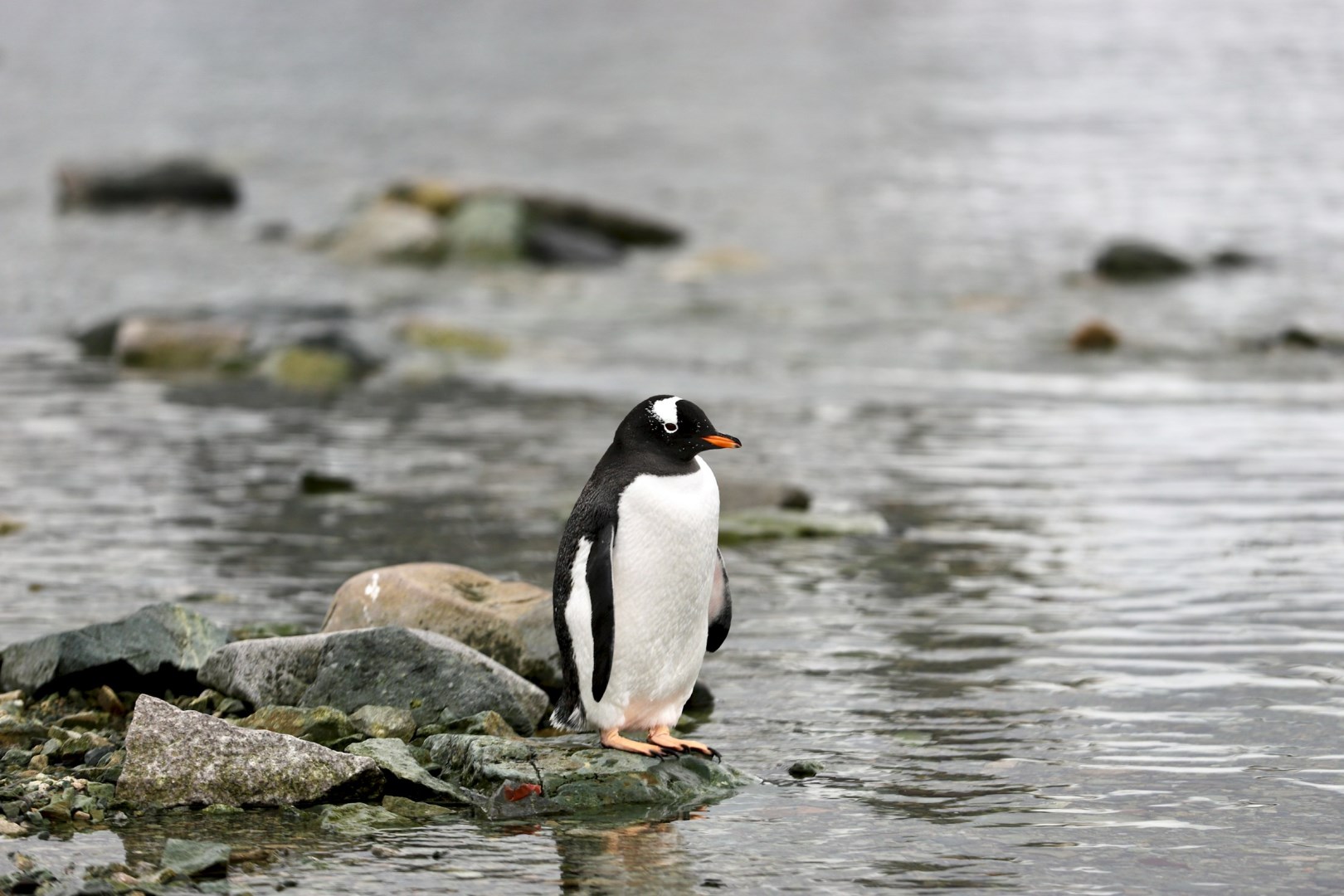
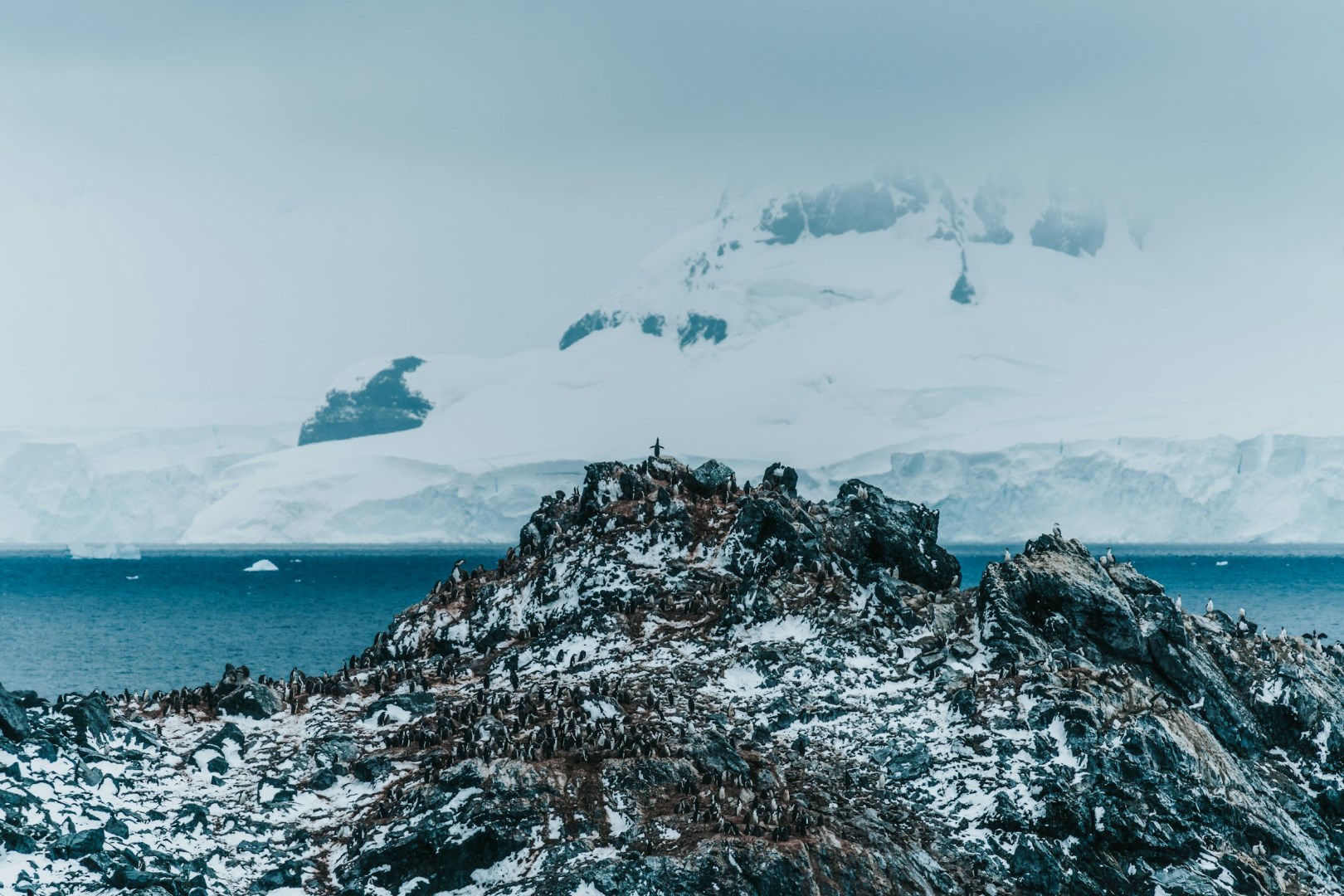
Mist, research stations, and penguins are just a few of the things that define the South Shetland Islands, an archipelago off the coast of Antarctica. These 11 Antarctic islands, most notably King George Island, have served as a base for researchers from Chile, Argentina, and a variety of other countries. The archipelago has also become a popular cruise destination for tourists to the Antarctic region.