

South America | Brazil | Brasília
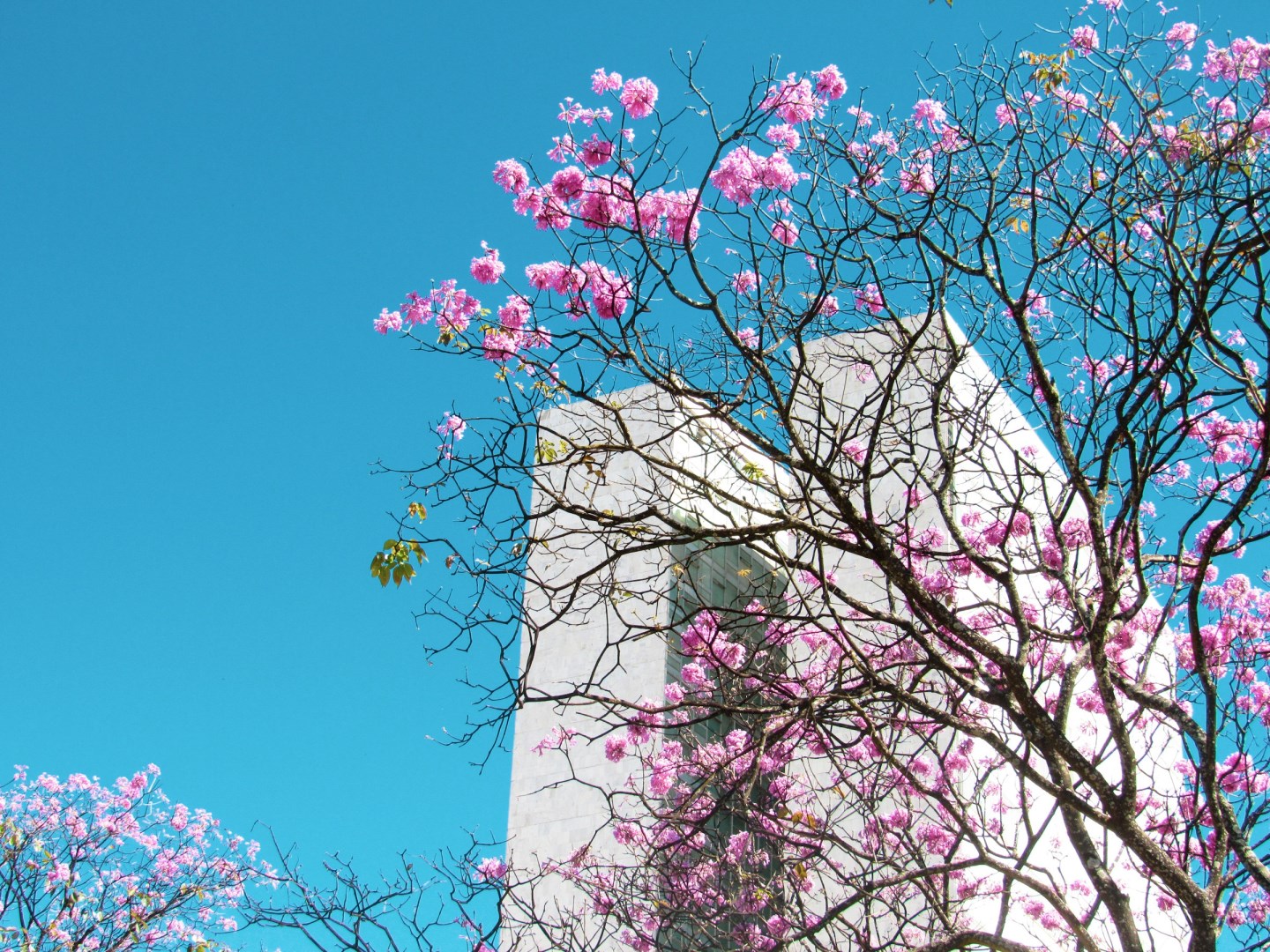
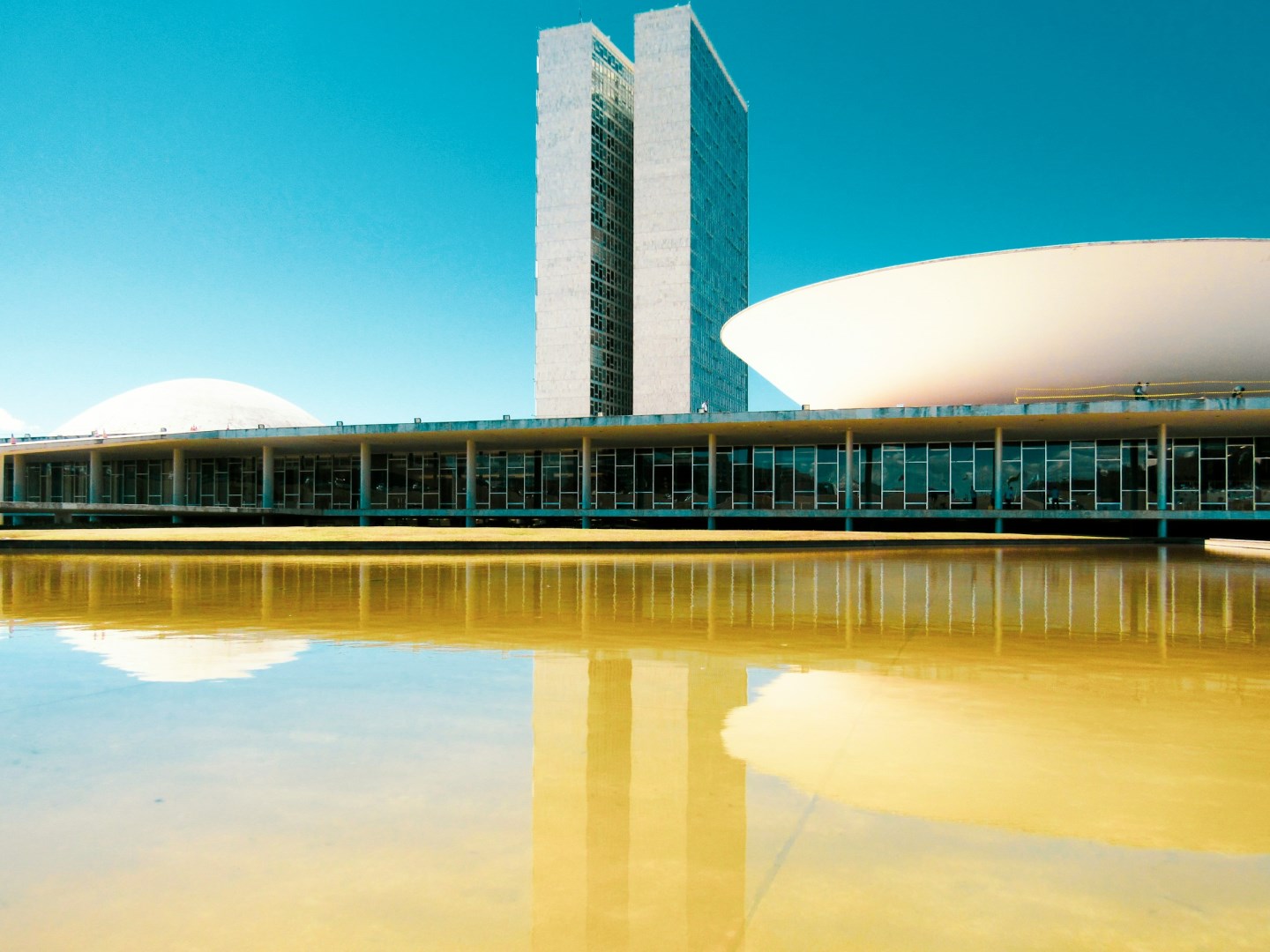
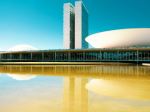
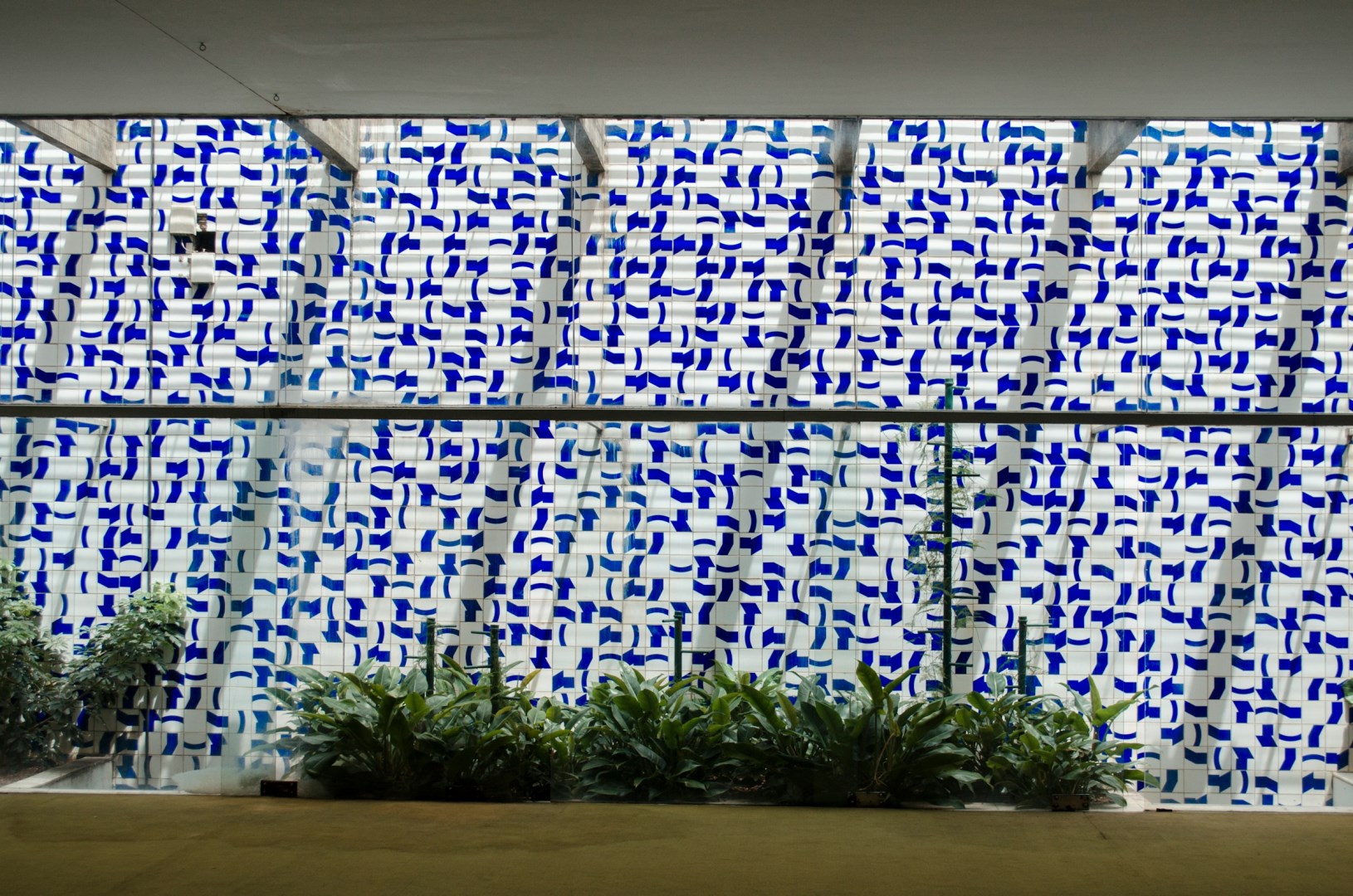
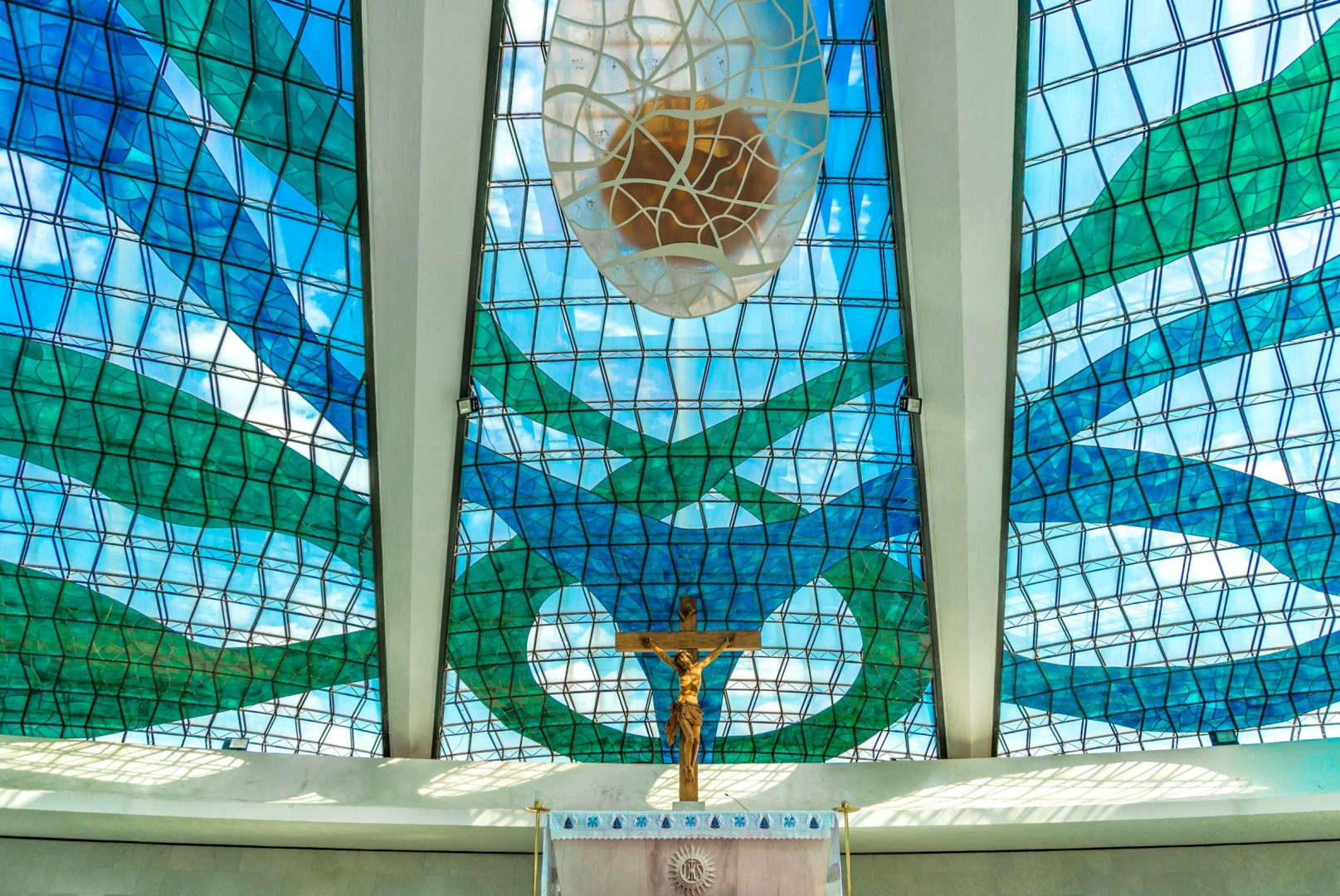
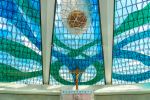
Brasília may be a World Heritage Site, but it is only of interest to town planning and architecture students, and those keen to witness the folly of man on a metropolitan scale. It must have looked good on paper, and still looks good in photos, but in the flesh, forget it. Designed by architect Oscar Niemeyer, urban planner Lucio Costa, and landscape architect Burle Marx, the city was built in an incredible three years between 1957 and 1960. Unfortunately, the world's most ambitious planned city is designed for automobiles and air-conditioners, not people. Distances are enormous and no-one walks; the sun blazes and there are few trees for shelter. Bureaucrats and politicians are lured to Brasília by 100% salary hikes and big apartments, but as soon as the weekend comes they jet to Rio or São Paulo - anywhere less sterile. The poor, who work in the construction and service industries, were not part of the plan for an inland capital and live in favelas up to 30km outside the city, called 'anti-Brasílias'.
Other Popular Destinations in Brazil
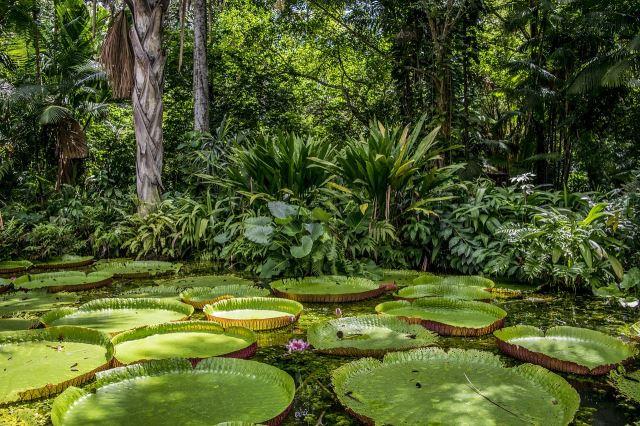
Exploring the Amazon Jungle in Brazil is like venturing into the heart of a living, breathing world. The Amazon Rainforest, often referred to as the "lungs of the Earth," is a lush, sprawling expanse that teems with extraordinary biodiversity.

Exhilarating Rio de Janeiro, the vibrant South American destination and cultural capital, abounds with iconic landmarks, beaches, and attractions. Christ the Redeemer, the hundred-foot mosaic statue atop Corcovado Mountain, overlooks the glittering coastline and is instantly recognizable, having become an enduring symbol of the city itself. Its arms stretching wide, the prominent figure beckons you to explore this inviting locale.
