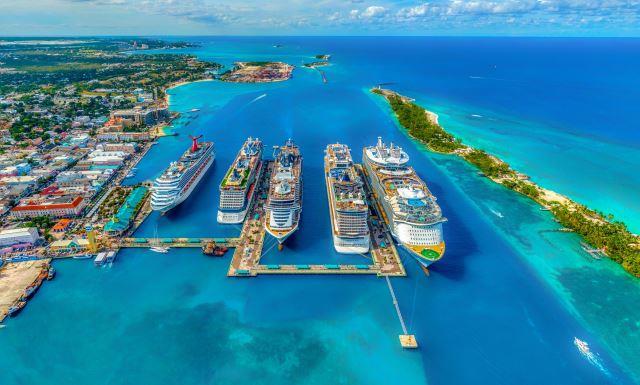


Freeport is the commercial center of Grand Bahama Island, set on the island’s southwestern side beside sheltered waters and extensive pine forests. The city was planned around a large private land development and has grown into a regional hub for tourism, shopping, dining, shipping, and recreation. Port Lucaya Marketplace provides a waterfront focus with restaurants, boutiques, craft stalls, and entertainment, while nearby beaches and waterways offer access to swimming, snorkeling, boating, and fishing. Freeport’s setting is distinctive because tropical coastal environments sit alongside Caribbean pine forest, mangroves, wetlands, and limestone landscapes.
Freeport’s cultural identity is rooted in the wider history of Grand Bahama and the Lucayan people who inhabited the island before European settlement. The island later developed through farming, fishing, logging, shipping, and trade before Freeport emerged as a planned city. Hawksbill Creek played an important role in the city’s development and remains an example of how industrial activity and mangrove ecosystems coexist on Grand Bahama. Local culture is expressed through Bahamian music, crafts, seafood traditions, and community events. The nearby settlements of Pinder’s Point, Eight Mile Rock, and West End provide additional connections to the island’s older communities and maritime heritage.
Lucayan National Park is one of Freeport’s most important attractions, protecting pine forest, mangroves, beaches, and one of the world’s longest charted underwater cave systems. Gold Rock Beach lies within the park, while nature trails and boardwalks lead through several of Grand Bahama’s distinct ecosystems. Rand Nature Centre provides a quieter setting, with a 2,000-foot trail through pine barrens, coppice, and a freshwater wildlife pond. Garden of the Groves contains tropical gardens, waterfalls, birds, butterflies, and walking paths. Offshore, Peterson Cay National Park protects a small marine area known for snorkeling and diving.
Seafood is central to Freeport’s food culture, with conch, grouper, snapper, lobster, shrimp, and other locally caught seafood appearing in restaurants and casual beachside eateries. Conch salad and cracked conch are particularly associated with Bahamian cuisine, while peas and rice, johnnycakes, and fried plantains are common accompaniments. Port Lucaya Marketplace provides a concentrated selection of Bahamian dishes, crafts, and entertainment. A distinctive feature of Freeport is its proximity to extensive underwater cave systems, including Ben’s Cave and other blue holes found across Grand Bahama. These limestone formations reveal a hidden side of the island beneath its forests and coastal plains.
Other Popular Destinations in Bahamas