





Caribbean | St. Vincent & the Grenadines | Kingstown


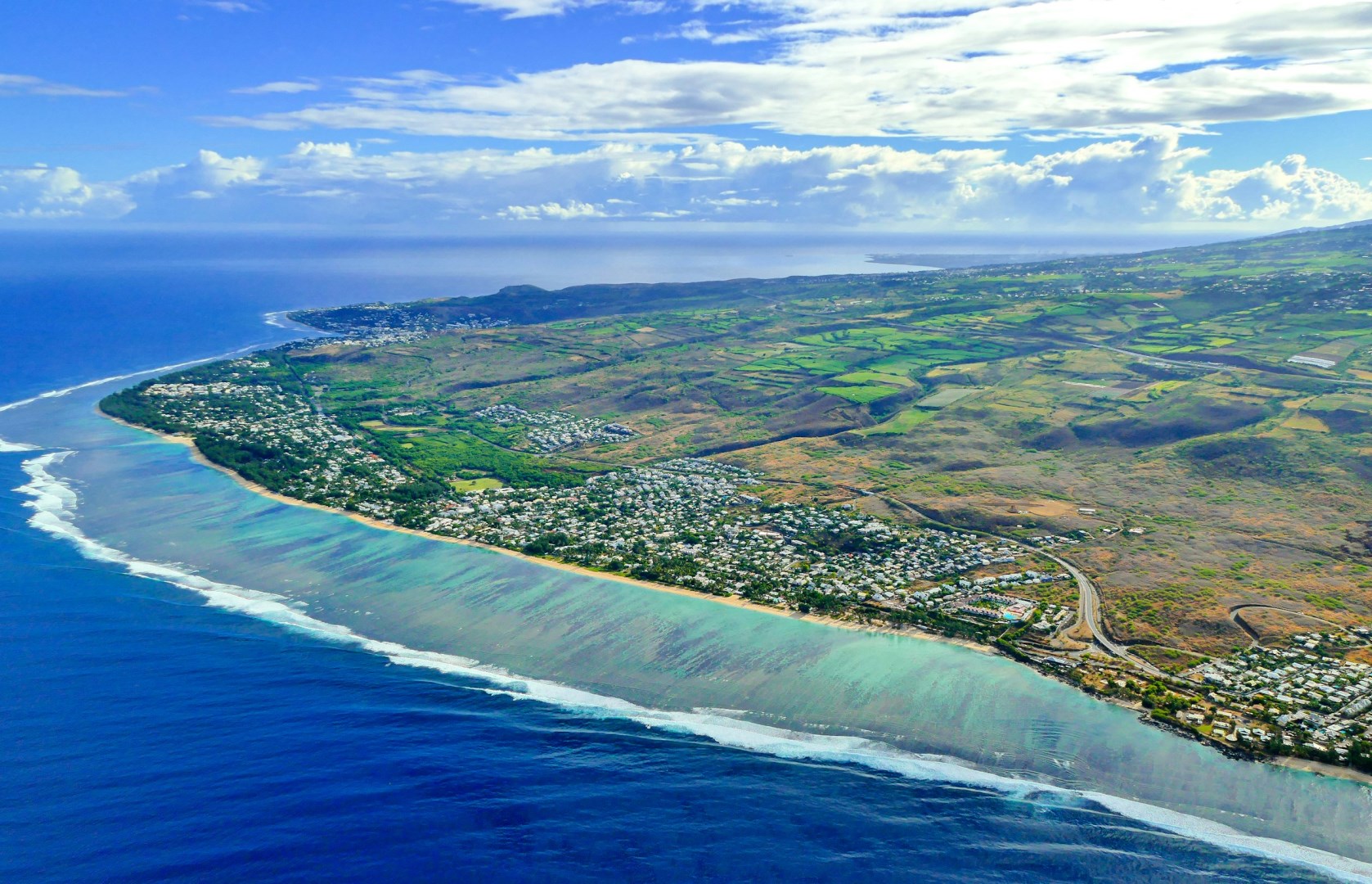
Kingstown, the vibrant capital of St. Vincent and the Grenadines, is a captivating blend of Caribbean charm and historical intrigue. Located on the southwestern coast of the island of St. Vincent, this bustling port city offers a gateway to explore both its colonial past and vibrant present. Start your exploration at the Fort Charlotte which overlooks Kingstown Harbor. Built in the 18th century, it offers stunning panoramic views of the city and the surrounding landscapes. The fort's historical significance and strategic location make it a must-visit for history enthusiasts and photographers alike.
The heart of Kingstown is its lively Old Town, where narrow streets are lined with colorful Caribbean architecture, local shops, and vibrant markets. The Kingstown Market is a bustling hub where visitors can sample local produce and crafts, and experience the city’s everyday rhythm. This market is the perfect place to try local specialties such as breadfruit and fresh seafood, or to pick up unique handcrafted souvenirs.
For a taste of Kingstown's cultural and historical richness, visit the St. George's Cathedral, an impressive 19th-century church known for its beautiful stained glass windows and serene atmosphere. Nearby, the Botanical Gardens are the oldest in the Western Hemisphere, featuring an impressive collection of tropical plants and a peaceful environment perfect for a relaxing stroll.
A fun fact about Kingstown is that it is named after King George III of England, reflecting its colonial past. The city’s combination of historical landmarks, local culture, and scenic beauty makes it an inviting destination for travelers looking to immerse themselves in the Caribbean experience. Whether you're exploring historical sites, enjoying local cuisine, or simply soaking up the island's vibrant atmosphere, Kingstown offers a delightful and memorable adventure.
The heart of Kingstown is its lively Old Town, where narrow streets are lined with colorful Caribbean architecture, local shops, and vibrant markets. The Kingstown Market is a bustling hub where visitors can sample local produce and crafts, and experience the city’s everyday rhythm. This market is the perfect place to try local specialties such as breadfruit and fresh seafood, or to pick up unique handcrafted souvenirs.
For a taste of Kingstown's cultural and historical richness, visit the St. George's Cathedral, an impressive 19th-century church known for its beautiful stained glass windows and serene atmosphere. Nearby, the Botanical Gardens are the oldest in the Western Hemisphere, featuring an impressive collection of tropical plants and a peaceful environment perfect for a relaxing stroll.
A fun fact about Kingstown is that it is named after King George III of England, reflecting its colonial past. The city’s combination of historical landmarks, local culture, and scenic beauty makes it an inviting destination for travelers looking to immerse themselves in the Caribbean experience. Whether you're exploring historical sites, enjoying local cuisine, or simply soaking up the island's vibrant atmosphere, Kingstown offers a delightful and memorable adventure.
Other Popular Destinations in St. Vincent & the Grenadines

Bequia, the largest of the Grenadines, is a hidden gem in the Caribbean Sea that captivates visitors with its unspoiled beauty and warm, welcoming atmosphere. Often described as the "island in the clouds," Bequia (pronounced "Bek-way") offers a tranquil escape where turquoise waters meet lush green hills. The island's charm lies in its simplicity—no sprawling resorts or crowded beaches, just a peaceful haven where time seems to stand still.

