
USA | California | Mount Shasta
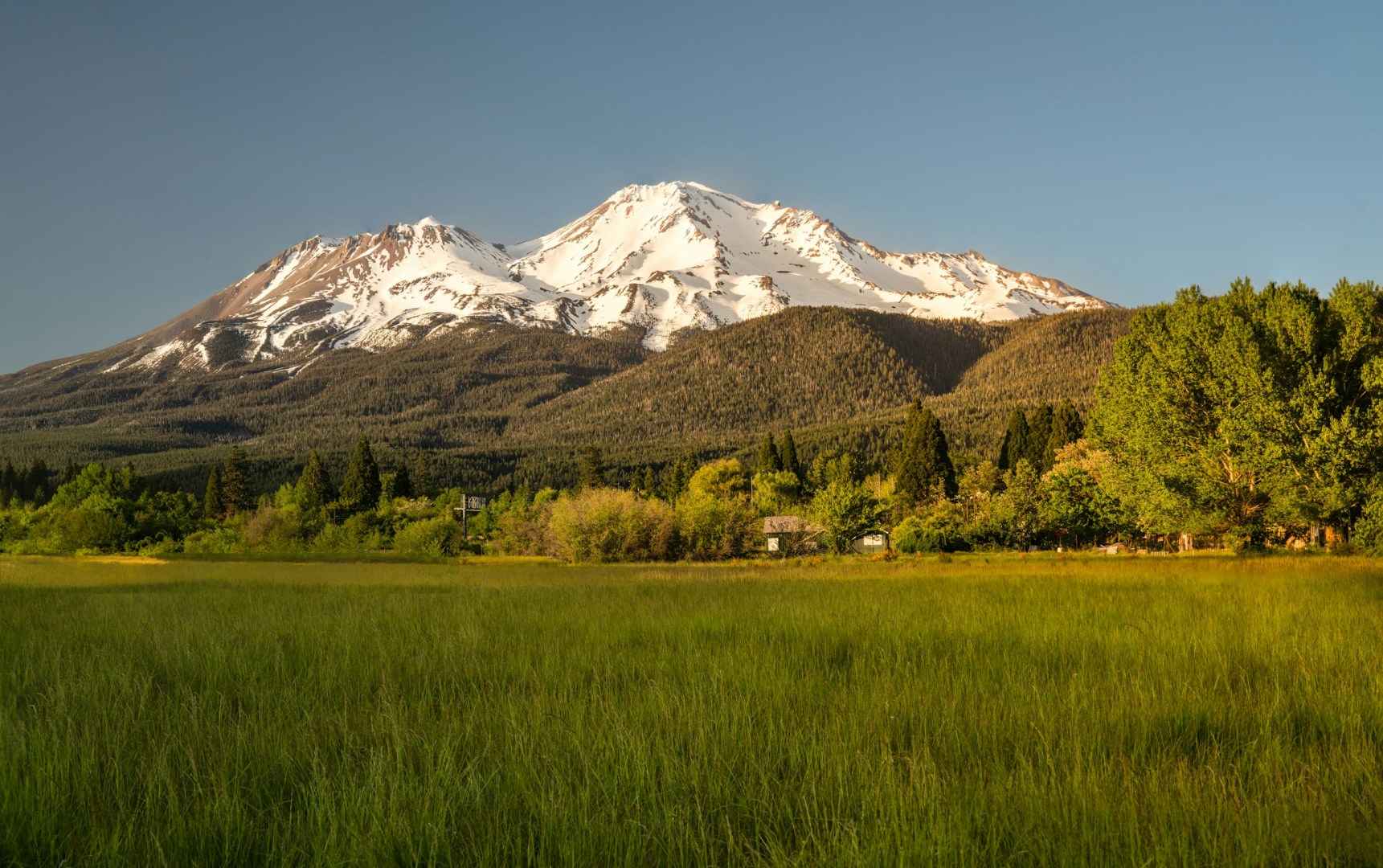
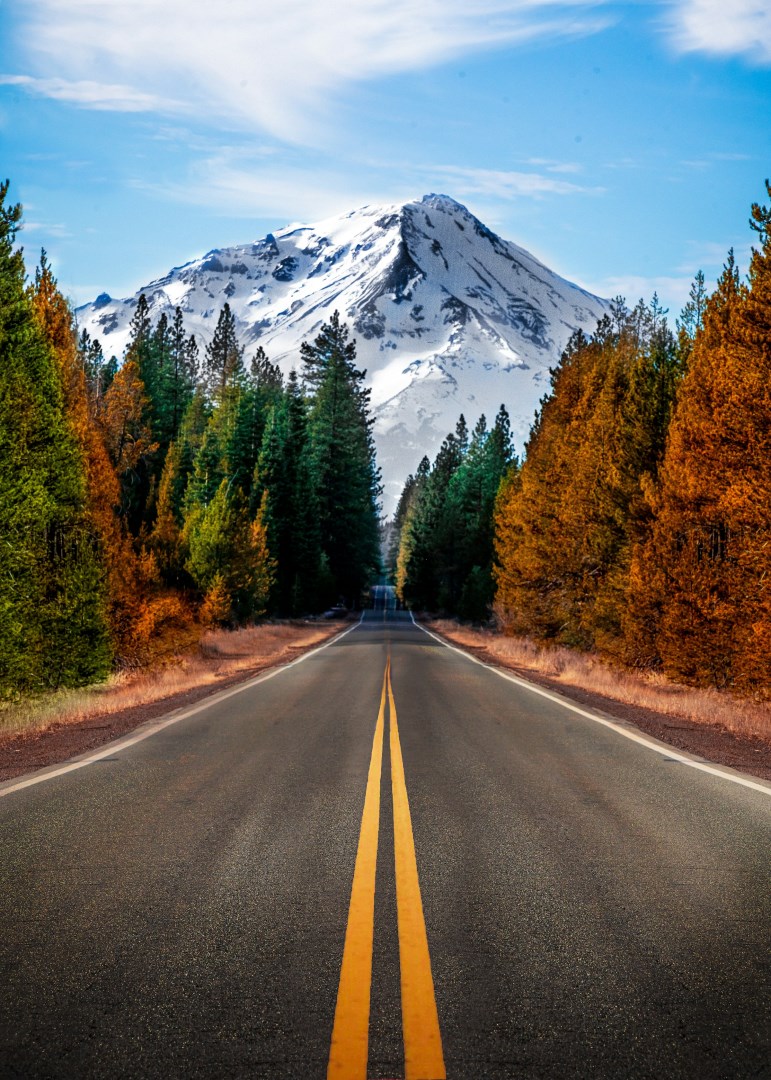
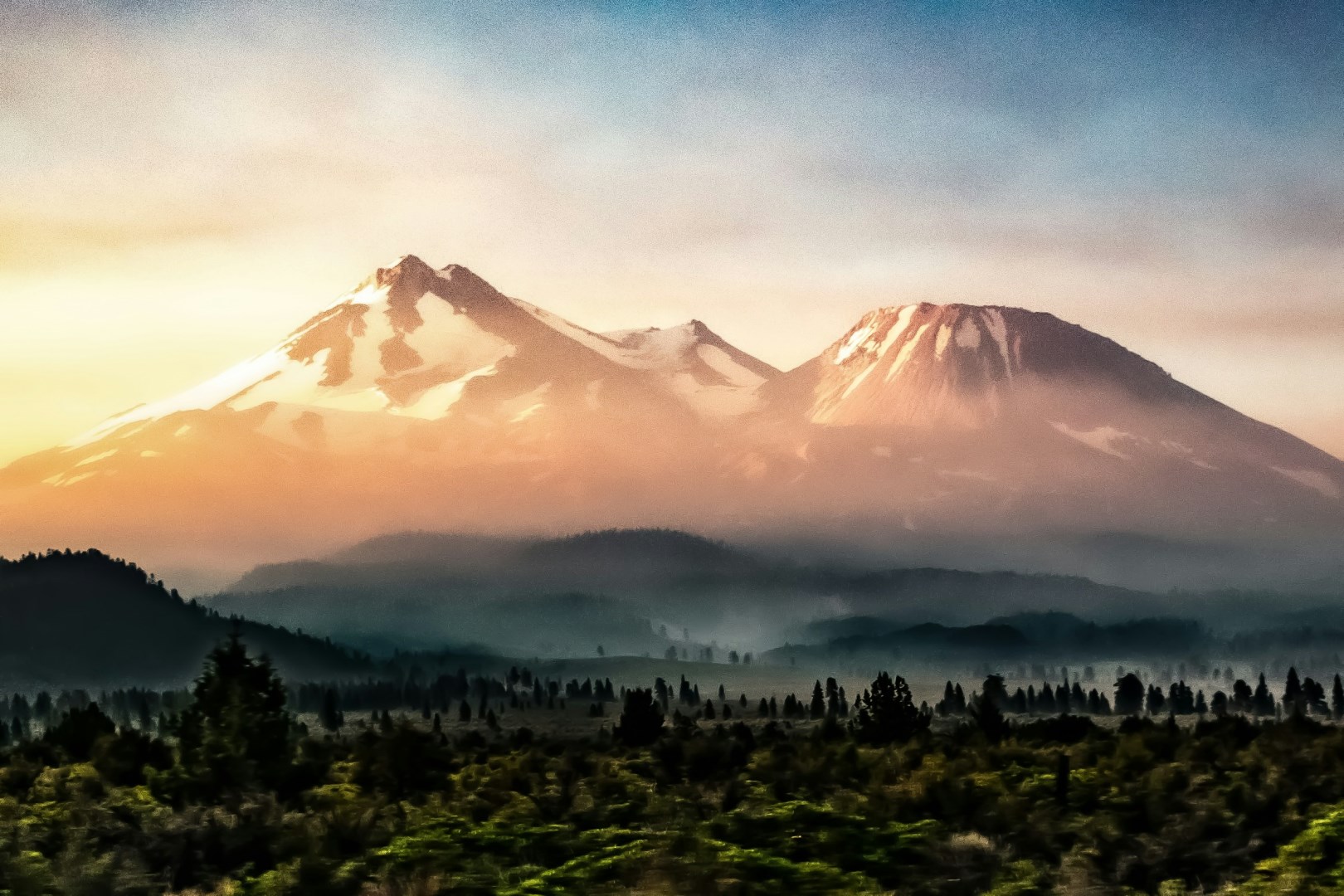
Mount Shasta is a small city in Northern California at the foot of the volcanic peak that shares its name. The community sits in the upper Sacramento River watershed, surrounded by conifer forests, mountain meadows, and the broader Cascade Range. Mount Shasta rises prominently to the east and reaches more than 14,000 feet, making it one of the most recognizable mountains in the state. The city serves as a gateway to the surrounding mountain country, with a compact downtown and easy access to forests, lakes, rivers, and trails across Siskiyou County.
The area has longstanding connections to the Shasta, Wintu, and other Indigenous peoples of northern California. Mount Shasta itself holds spiritual importance for several Native communities, with traditional stories and cultural practices connected to the mountain and surrounding landscape. The city later developed through transportation, logging, ranching, and mining, with the arrival of the railroad playing an important role in regional commerce. The Siskiyou County Museum in nearby Yreka preserves artifacts and exhibits relating to Indigenous heritage, settlement, transportation, and natural history, providing context for the communities that developed around the mountain.
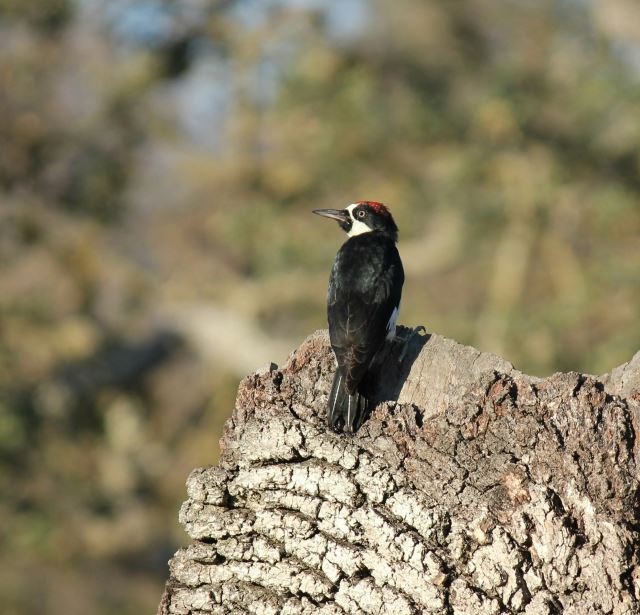
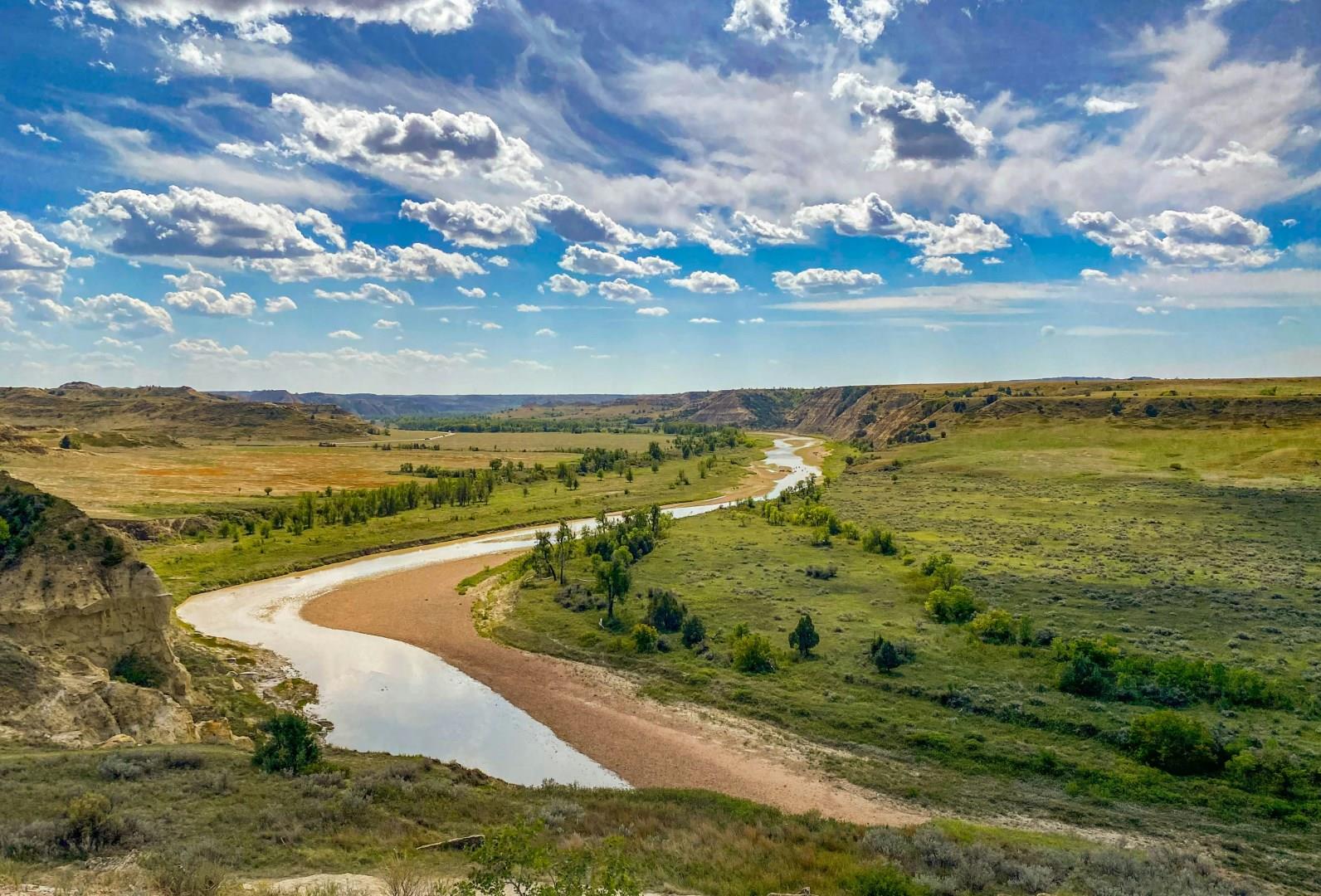
The environment surrounding Mount Shasta offers a range of mountain landscapes. Mount Shasta itself dominates the skyline and provides climbing routes, alpine terrain, and snowfields, while the Shasta-Trinity National Forest contains extensive forests, streams, and hiking areas. Castle Lake and Lake Siskiyou are popular recreation sites near the city, offering swimming, paddling, fishing, and shoreline trails. The Sacramento River begins at the base of Mount Shasta and flows through the surrounding landscape, while nearby McCloud Falls consists of three distinct waterfalls along the McCloud River. These waterways and forests support deer, black bears, bald eagles, and other wildlife.
Other Popular Destinations in California