
The city of Canakkale lies at the narrow, 1,200 meter entrance to the Canakkale Strait that connects the Sea of Marmara and the Aegean. To honor the 500,000 soldiers who lost their lives at Gelibolu (Gallipoli), the peninsula was made into Gelibou Historical National Park.
Braga, one of Portugal’s oldest and most vibrant cities, blends deep religious heritage with a youthful, energetic spirit. Founded over two millennia ago by the Romans as Bracara Augusta, the city has long been a center of faith and culture, earning it the nickname “the Rome of Portugal.”
Islamic and French influences blend together in charming Casablanca, Morocco’s iconic coastal city. Frequently used as a port for Spanish and Mediterranean cruises, Casablanca lies halfway between Marrakesh and Fes and is the perfect entryway for exploring the rest of Morocco.
Listed on the National Register of Historic Places, Lahaina, Maui is the former capital of the Hawaiian Kingdom and was once the site of a whaling village. This popular tourist destination is now a cultural center perfect for fine dining, visiting Hawaiian art galleries, whale watching, and immersing yourself in this region's rich history.
Kanha Tiger Reserve lies in the Maikal ranges of the Satpura hills in Madhya Pradesh, extending across the districts of Mandla and Balaghat. The reserve is known for its broad sal forests, bamboo groves, open meadows, streams, and diverse wildlife. The national park covers about 940 square kilometres within the larger tiger reserve. Bengal tigers are a major attraction, but Kanha is equally significant for its population of hard-ground barasingha, a subspecies of swamp deer that became closely a
Relax on the pier and allow the astonishing view of the beautiful lake and mountains to wash over you. Inhale the fresh mountain air and hear the soothing sounds of nature.
Photo Credit: Photo by Samuel Arkwright on Unsplash
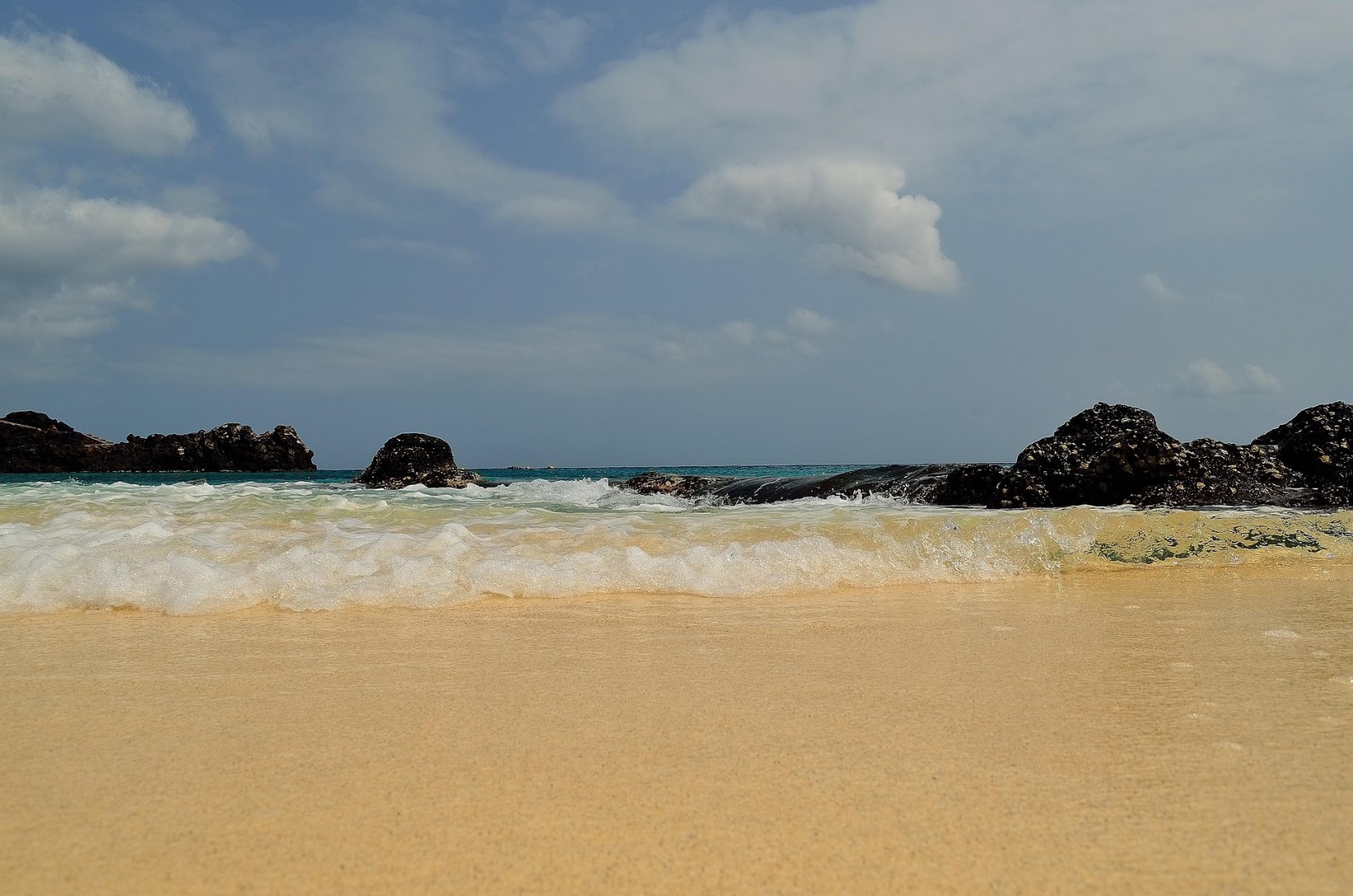
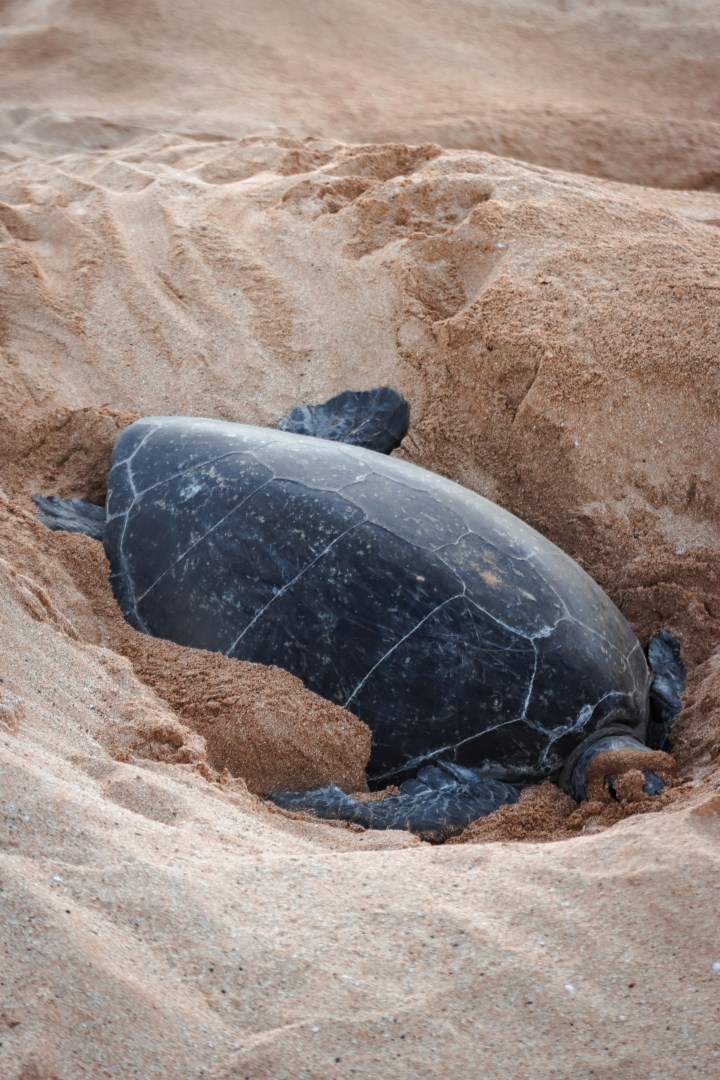
Ascension island, British dependency of St. Helena (which also includes St. Helena and the Tristan da Cunha group), in the South Atlantic Ocean, about midway between Africa and South America and 700 miles northwest of St. Helena. The small, volcanic island was sighted by the Portuguese in 1501, but it was uninhabited until the exile of Napoleon to St. Helena in 1815, when the British established a garrison here to guard against his escape. In 1922 the island was annexed to St. Helena. It was a refueling base for U.S. aircraft in World War II. The United States built a station here in 1957 as a post for observing guided missiles. Huge numbers of sea turtles and sooty terns breed on the island. Georgetown is the main settlement.