


South Pacific | New Caledonia


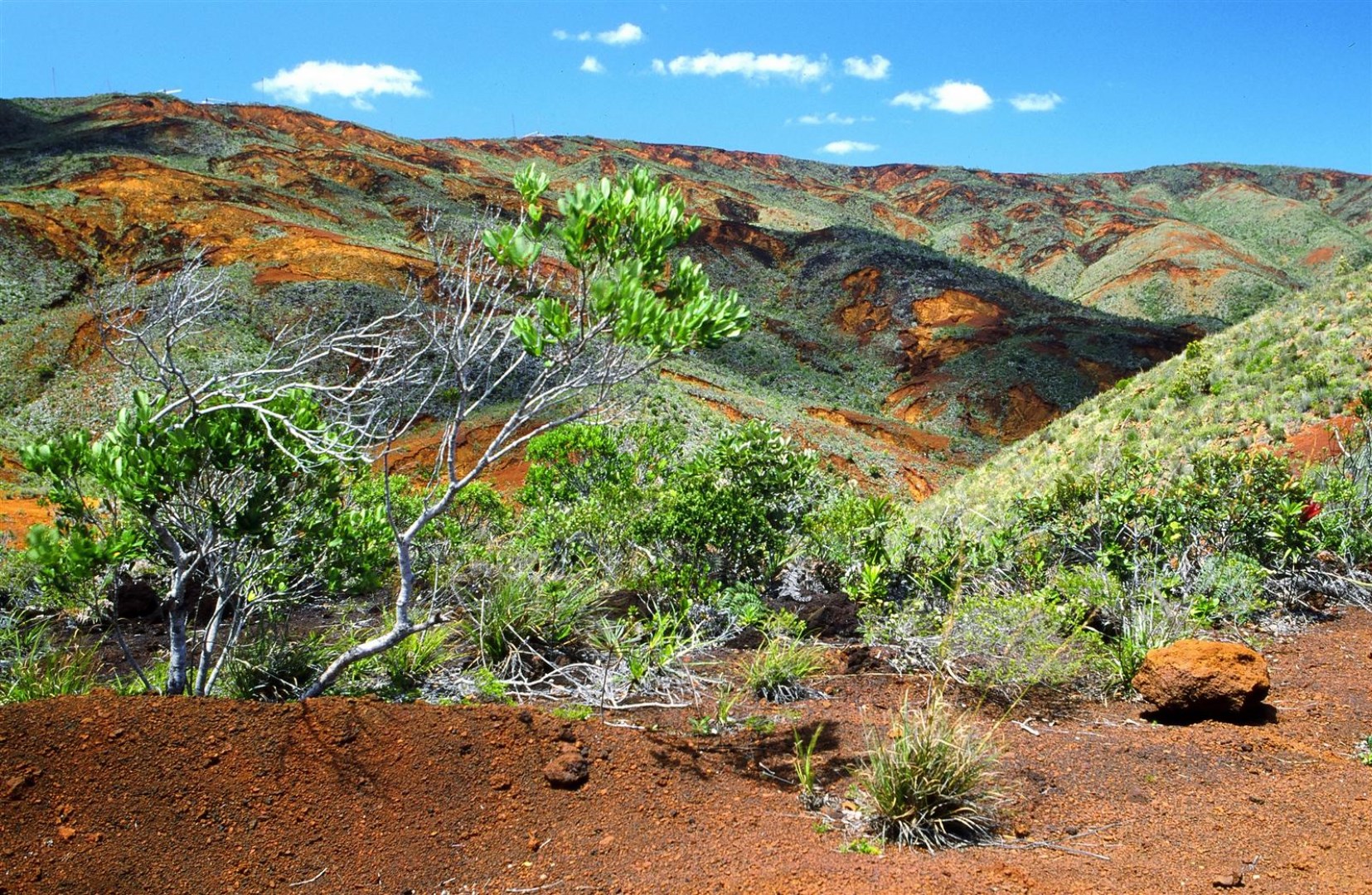
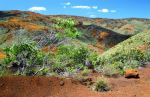
New Caledonia is an archipelago located in the south western part of the Pacific Ocean, and belongs to what is known as Melanesia. The mainland known as the "Grande Terre" is the principal island of New Caledonia and covers an area of 400 kms north to south and 50 kms west to east, with a total surface of 19 000 square meters. It is the third largest island in the South Pacific after New Guinea and New Zealand.
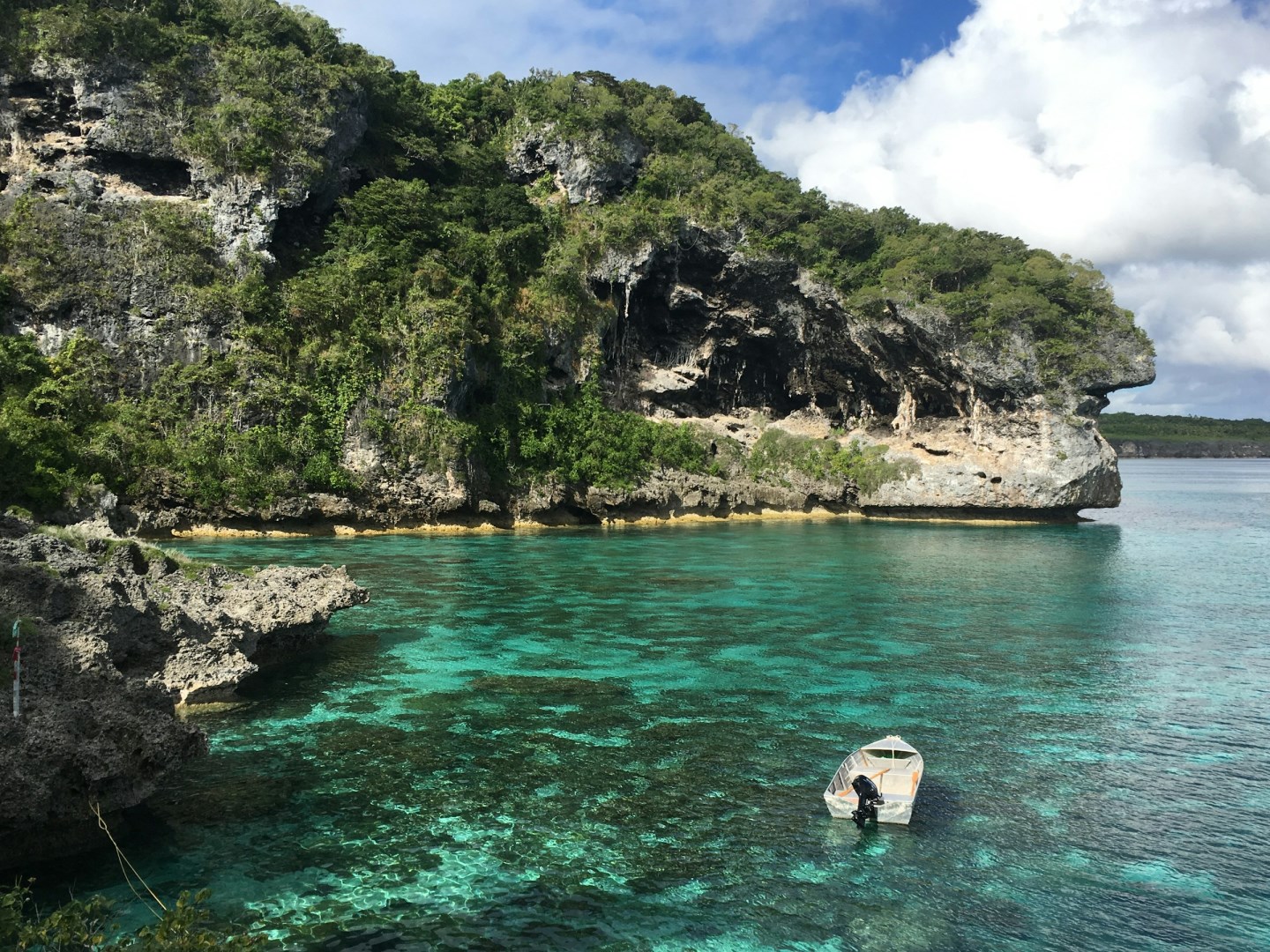
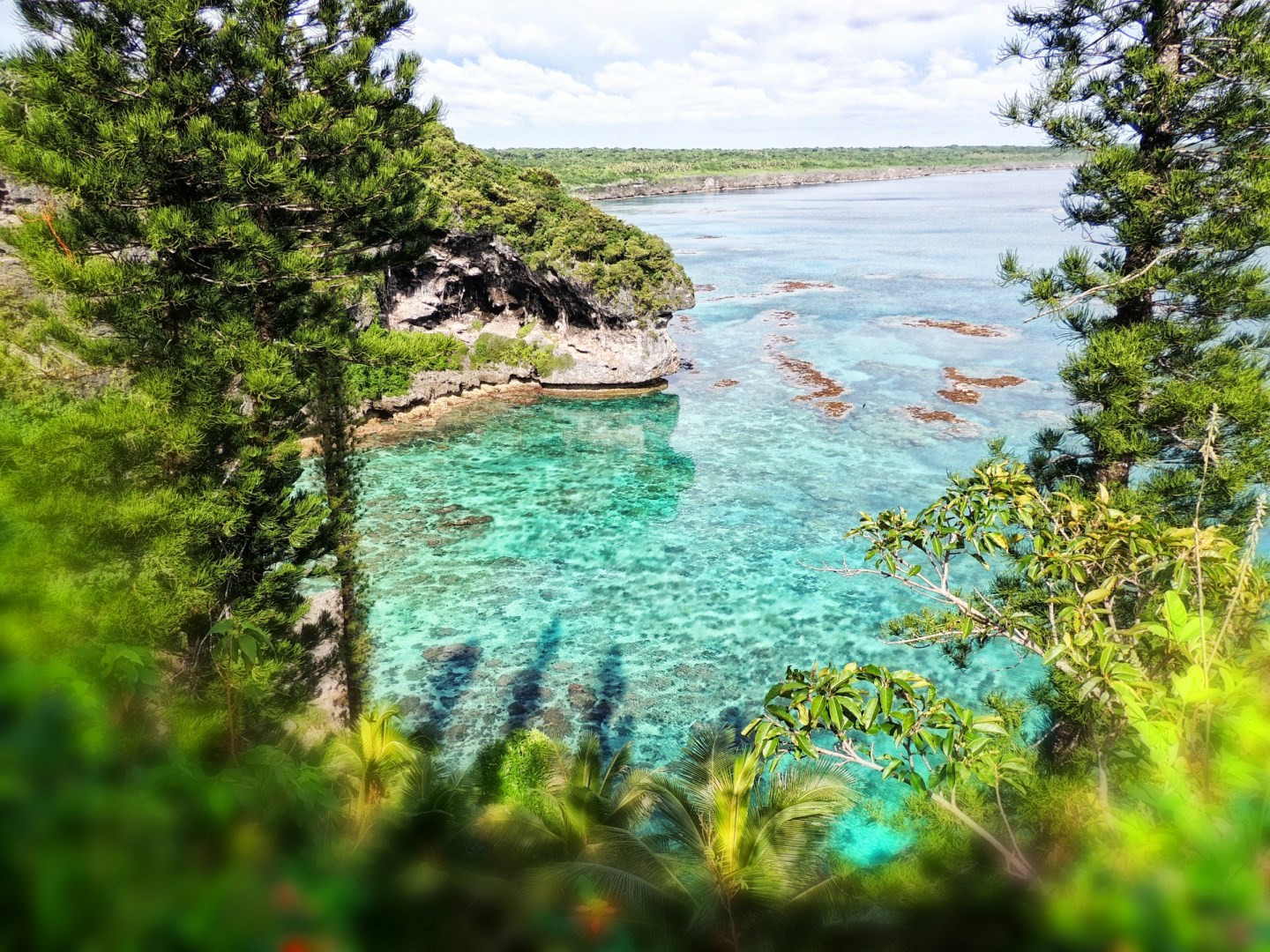
Nicknamed the Eternal Spring Island or the Island closest to Paradise, New Caledonia is above all remarkable because of its lagoon. With the second largest coral barrier reef in the world after the one on the Australian continent, the Caledonian lagoon contains a varied fauna composed of multicolored fish, of corals of incredible shapes, a real paradise for deep-sea hunters, film directors, deep-sea divers and anglers or trawlers.
Nicknamed the Eternal Spring Island or the Island closest to Paradise, New Caledonia is above all remarkable because of its lagoon. With the second largest coral barrier reef in the world after the one on the Australian continent, the Caledonian lagoon contains a varied fauna composed of multicolored fish, of corals of incredible shapes, a real paradise for deep-sea hunters, film directors, deep-sea divers and anglers or trawlers.
Popular Destinations in New Caledonia

Nouméa, the vibrant capital of New Caledonia, offers a captivating mix of French sophistication and Pacific charm. This bustling city is renowned for its beautiful beaches, such as Anse Vata, where turquoise waters and white sand invite relaxation and water sports.
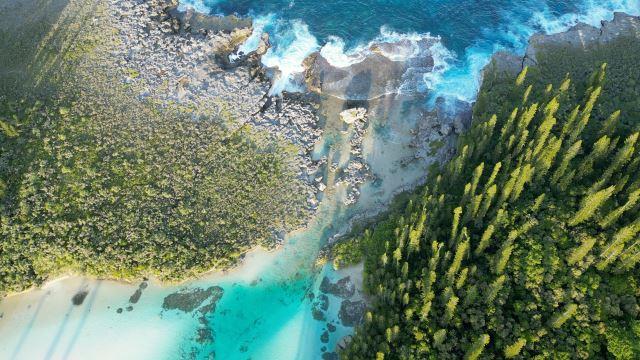
Île des Pins, often referred to as the "Island of Pines," is a serene paradise located in New Caledonia. This tropical haven is renowned for its pristine beaches, turquoise lagoons, and lush pine forests, offering visitors an idyllic escape from the everyday. The island's charm extends beyond its beaches. The Pic N'Ga peak offers panoramic views of the island's lush landscape, accessible via a scenic hike through dense forest.
