


Makarska, nestled along the stunning Dalmatian Coast of Croatia, is a gem that blends natural beauty with vibrant culture. The town is renowned for its picturesque setting between the Biokovo Mountain range and the azure waters of the Adriatic Sea. The Makarska Riviera boasts some of Croatia's most beautiful beaches, such as Punta Rata, known for its fine pebbles and crystal-clear water.
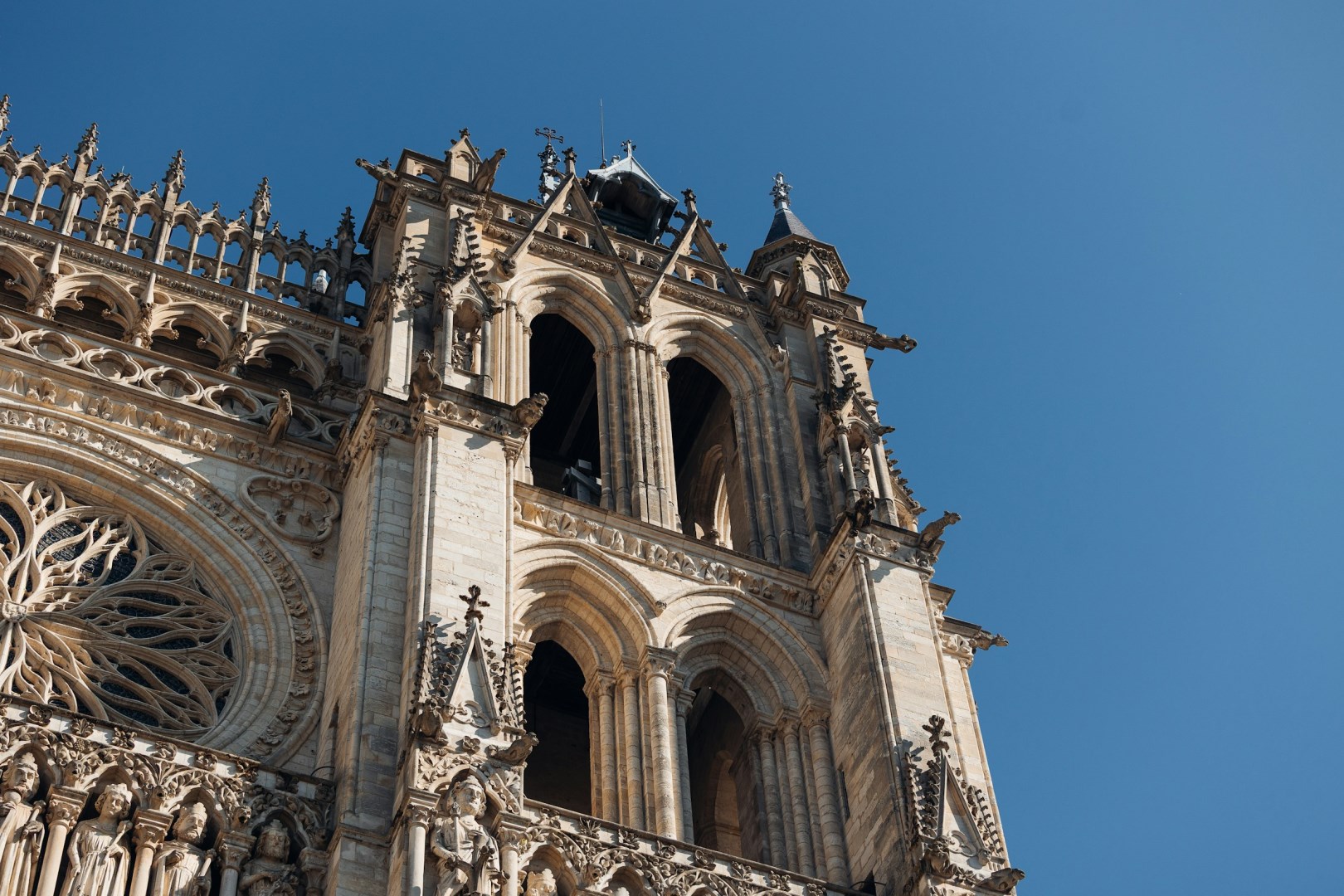
Bamberg, located in northern Bavaria, stands out for its remarkably preserved medieval layout, which earned it a spot on the UNESCO World Heritage list. Built on seven hills and often compared to Rome for that reason, the city’s architecture reflects over a thousand years of uninterrupted development. Bamberg is well known for its beer, and not just in the usual Bavarian sense. The city has more breweries per capita than any other town in Germany, and it’s the birthplace of rauchbier.
Cinque Terre, a UNESCO World Heritage Site, is a slice of Italian paradise nestled along the rugged Ligurian coast. This collection of five fishing villages—Monterosso, Vernazza, Corniglia, Manarola, and Riomaggiore—offers visitors a breathtaking landscape of pastel-colored homes perched on cliffs overlooking the Mediterranean.
Greenland, the world’s largest island, offers travelers an experience that feels like stepping onto another planet. Vast ice sheets, towering glaciers, and deep fjords stretch across the horizon, creating a landscape that constantly shifts with the light. During summer, the Midnight Sun casts a golden glow well past midnight, while winter brings months of darkness lit by vibrant displays of the Northern Lights.
Samana sits on a peninsula along the northeastern coast of the Dominican Republic, shaped by seafaring history and a strong Afro-Caribbean cultural presence.
South Central Asia offers travelers a journey through vivid contrasts, where centuries-old temples stand beside bustling modern cities, and tea-covered hills roll into dense tropical forests. In India, visitors can witness the grandeur of Mughal architecture at the Taj Mahal, then find serenity at the ghats of Varanasi, where rituals have continued for thousands of years.
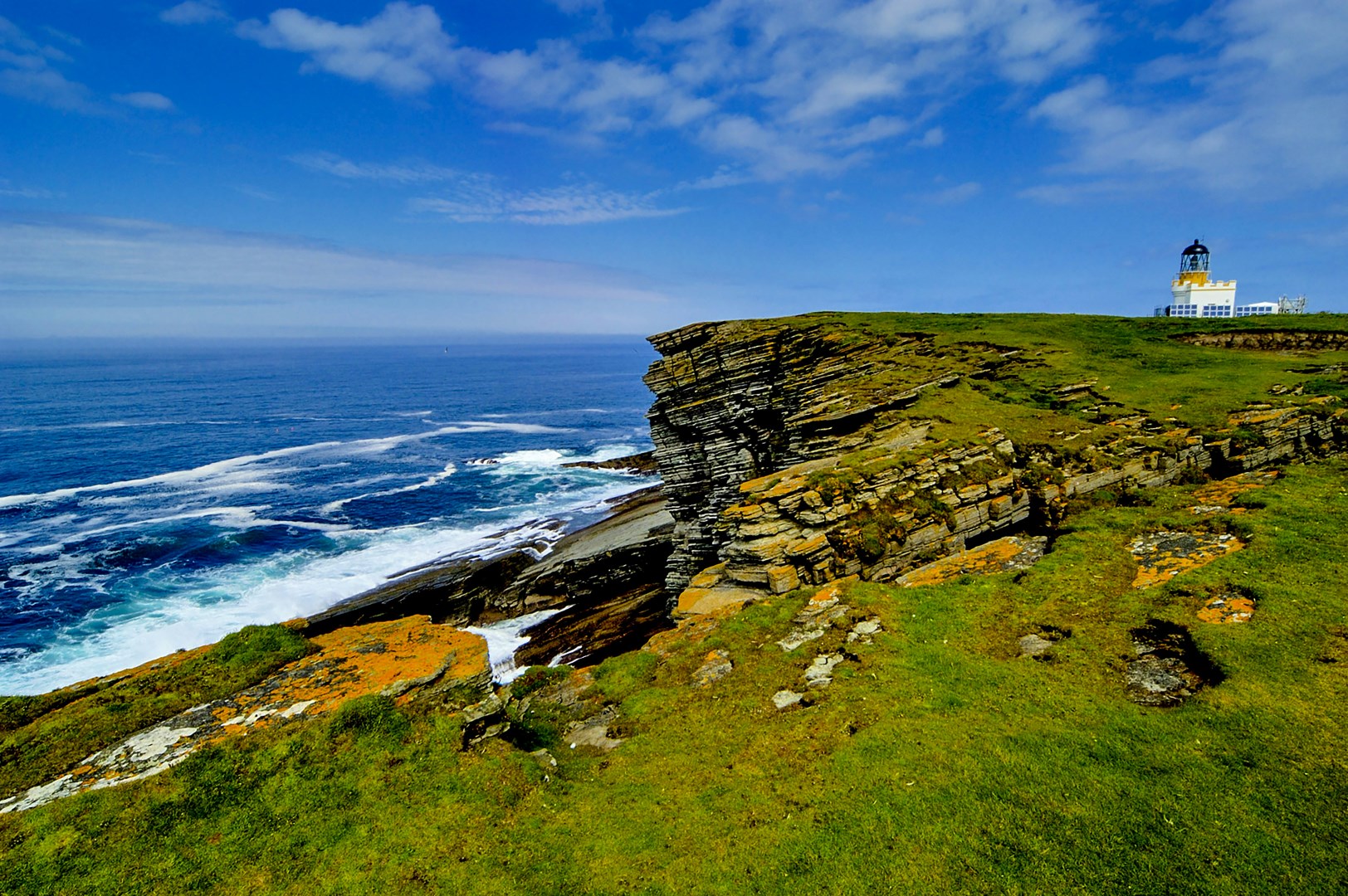
The Orkney Islands sit just off the northern coast of Scotland. This group of around seventy islands offers wide horizons, quiet roads, and coastlines shaped by wind and waves where visitors often arrive expecting rugged scenery and leave talking about the sense of space from the long beaches to the steep cliffs and sea stacks rising straight from the water. One striking example is the Old Man of Hoy, a tall sea stack that draws photographers and climbers alike, while coastal paths reveal seabirds and shifting light throughout the day.
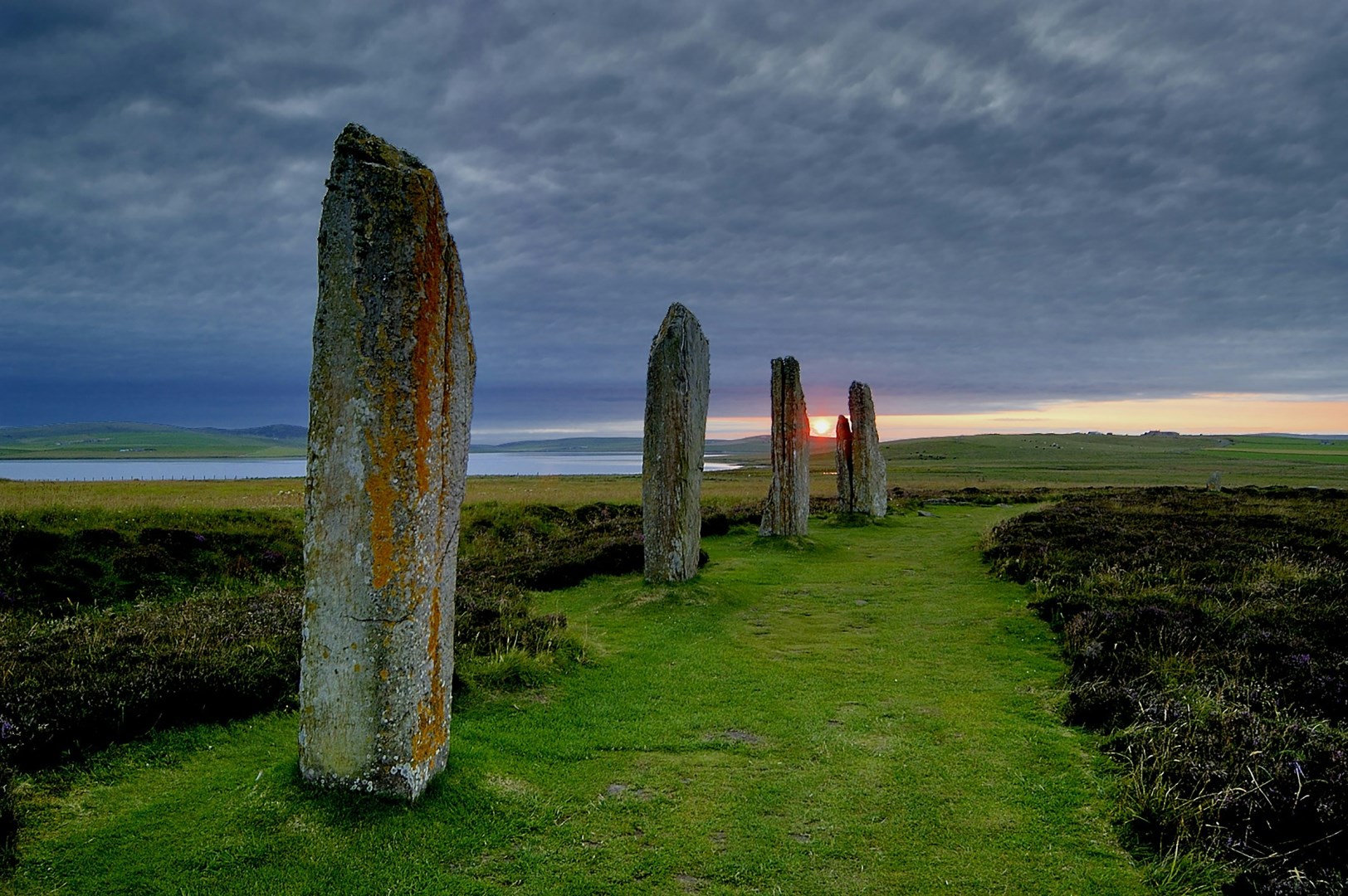
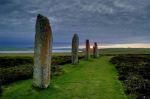
At Skara Brae, visitors walk through the remains of a stone-built village that lay buried under sand for centuries before a storm uncovered it. The houses still show beds, storage spaces, and even a simple drainage system, offering a rare look at daily life from thousands of years ago. Nearby, the Ring of Brodgar and the Stones of Stenness form part of a wider landscape of ancient sites, each placed with care across the land.
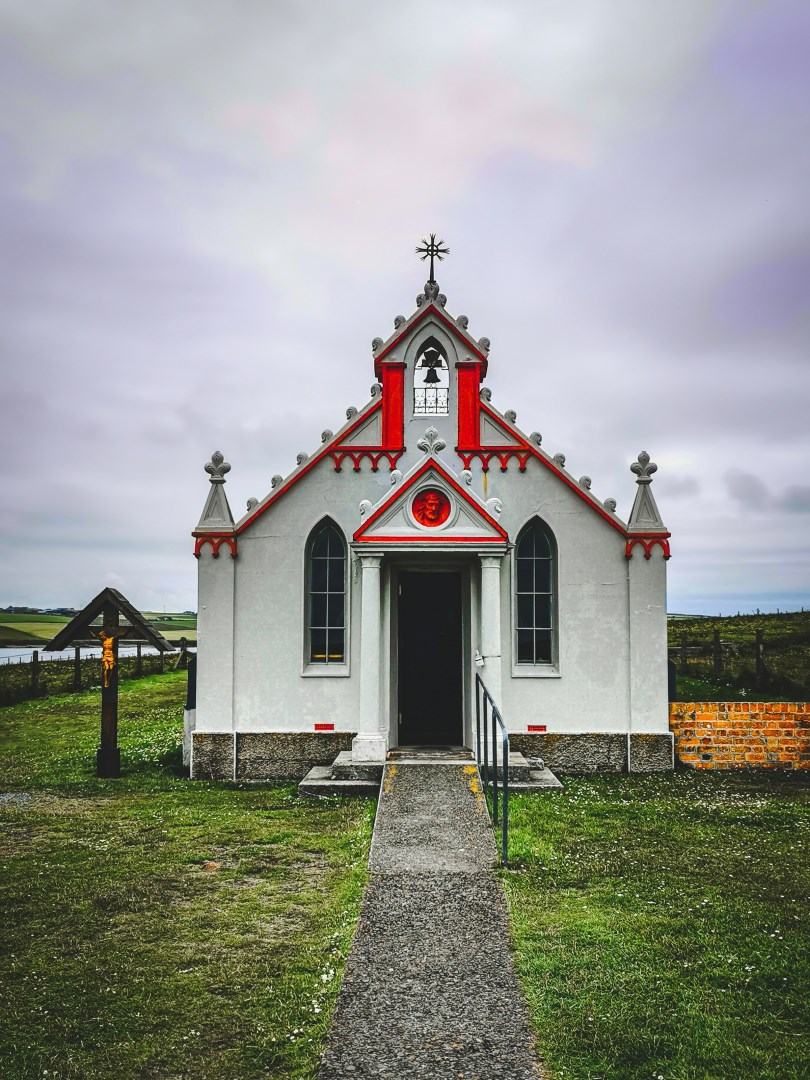
The islands carry stories from many layers of history, including a strong Norse influence that still appears in local place names and traditions. In the town of Kirkwall, narrow streets lead to St Magnus Cathedral, built from local sandstone that shifts color in changing light. The harbor of Scapa Flow has also played a major role in naval history and now attracts divers exploring shipwrecks resting on the seabed.