




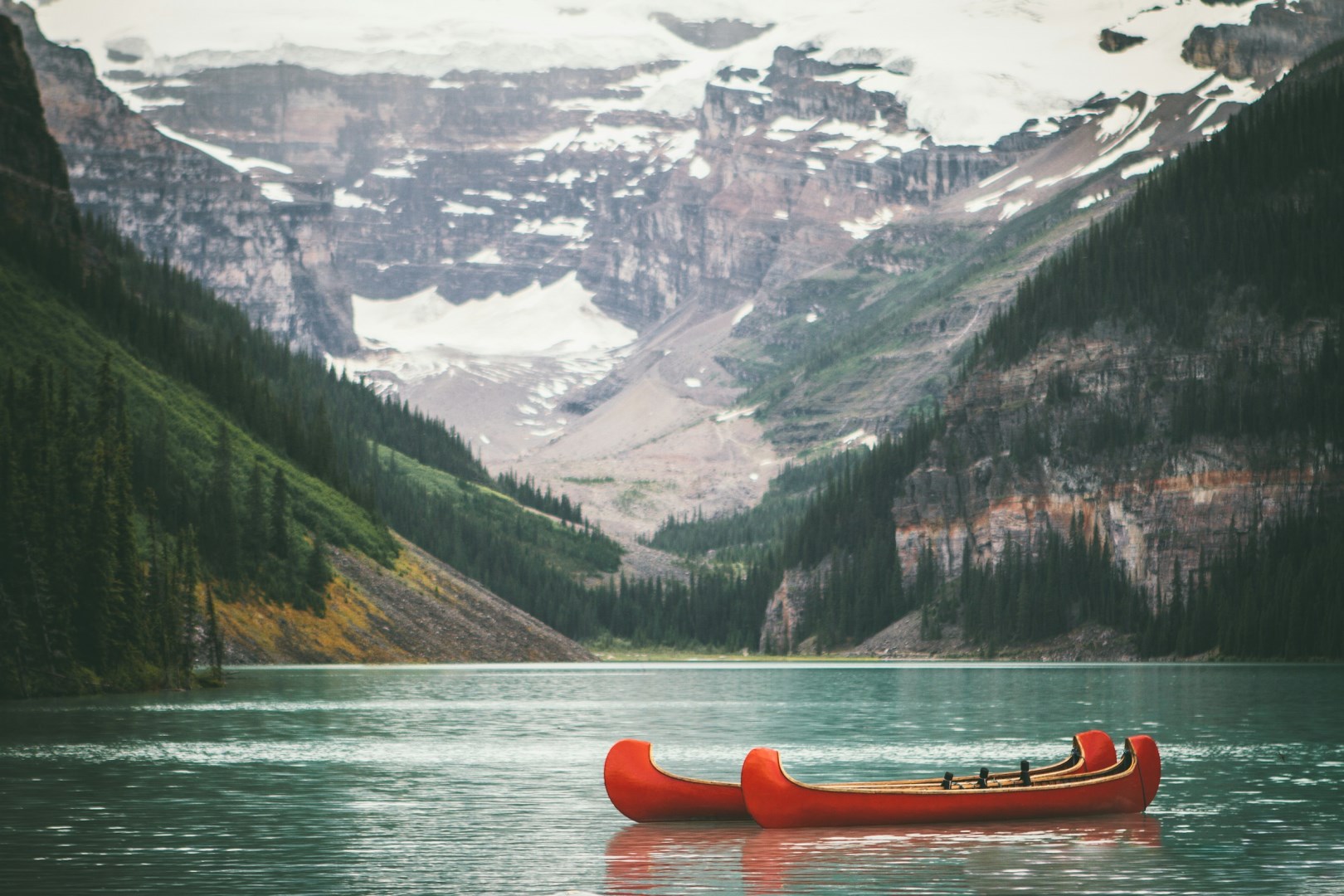
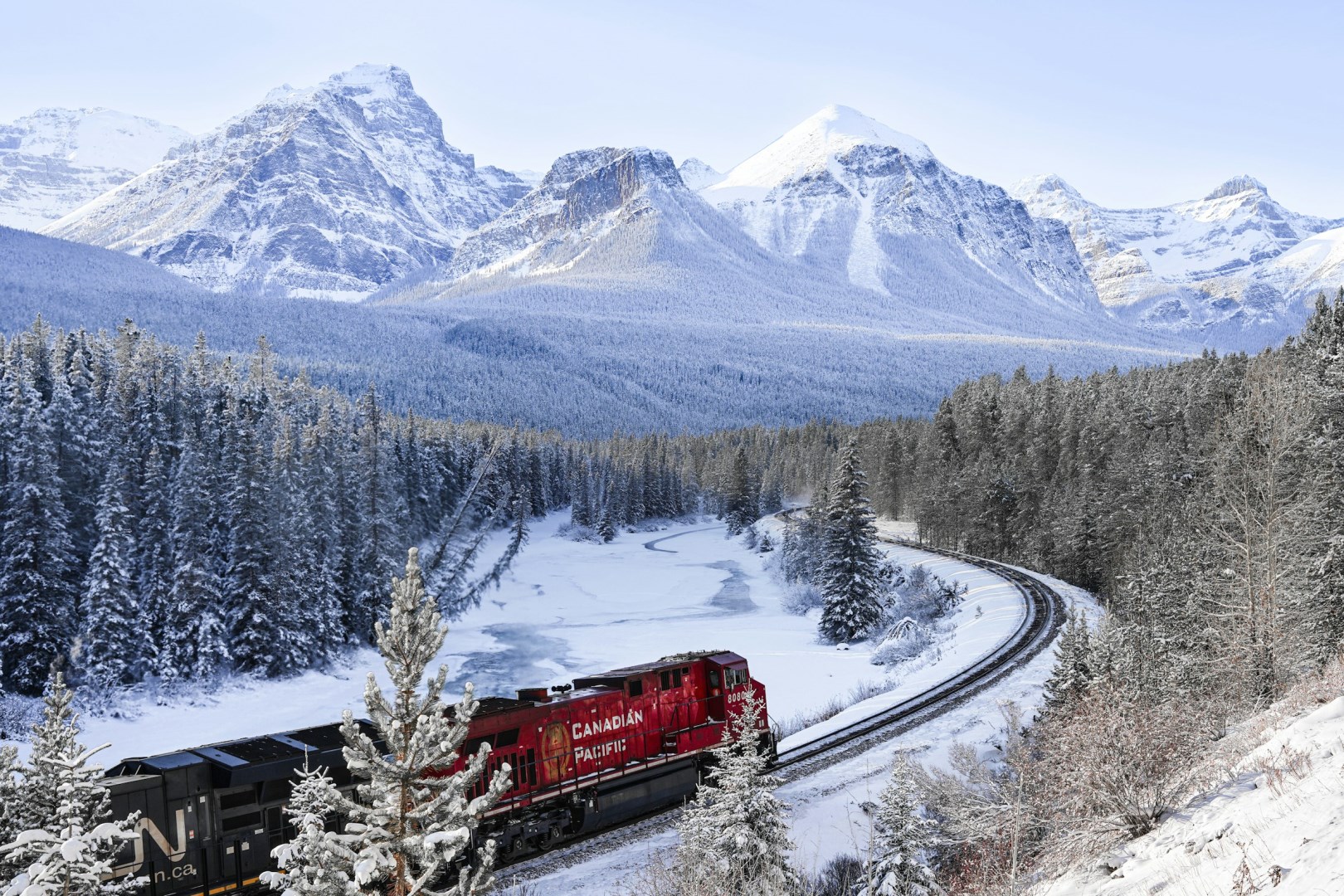
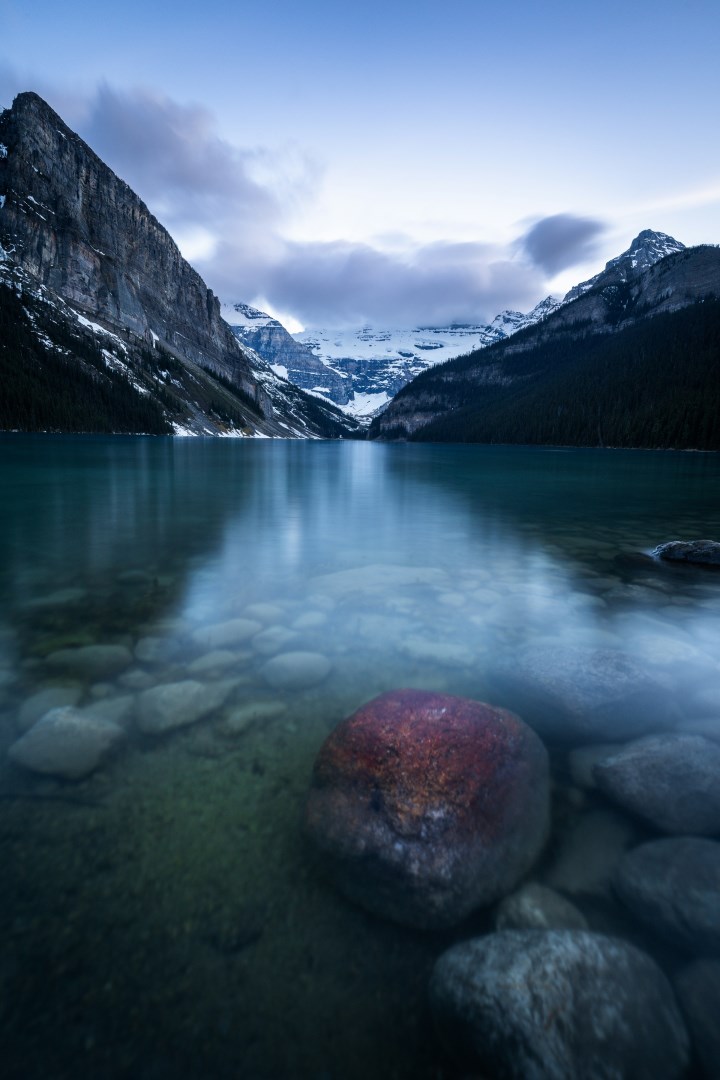
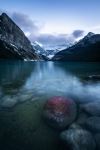
Nestled within the stunning Banff National Park in Alberta, Canada, Lake Louise is a paradise for nature lovers and adventure seekers alike. This world-renowned destination is famous for its striking turquoise lake, surrounded by the majestic Rocky Mountains. The lake, often described as one of the most beautiful in the world, is fed by the melting glaciers, creating its characteristic vibrant blue hue. Visitors can enjoy breathtaking views from the lakeshore or embark on a canoe ride to truly immerse themselves in the natural splendor of the area. For those looking to extend their adventure, the Lake Louise Gondola offers spectacular panoramic views of the surrounding peaks and valleys source.
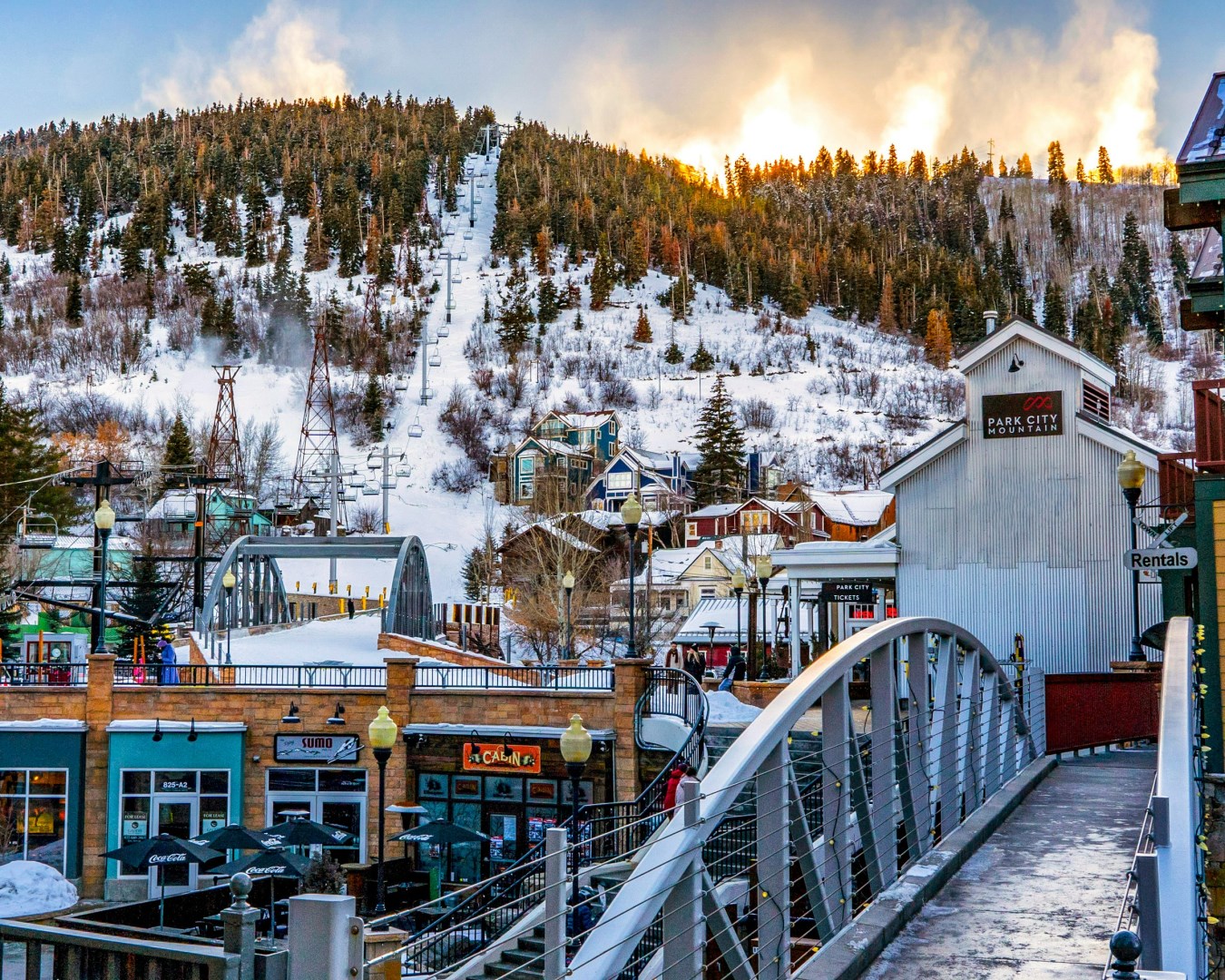
The charm of Lake Louise extends beyond its picturesque lake. The town itself is a gateway to numerous outdoor activities throughout the year. In the winter, it transforms into a snowy wonderland, attracting skiers and snowboarders to its renowned ski resorts. During the summer, the area becomes a haven for hiking enthusiasts, with trails leading to scenic spots like the Lake Agnes Tea House, perched beside a serene alpine lake source. Visitors can also explore the historic Fairmont Chateau Lake Louise, a luxury resort that provides stunning views and a taste of classic elegance source.
Lake Louise's stunning natural beauty makes it an ideal destination for those seeking both relaxation and adventure. The area’s diverse wildlife, including elk and grizzly bears, offers unique opportunities for wildlife viewing, while the clear, starry nights provide a perfect backdrop for stargazing. Seasonal festivals and events, such as the Lake Louise Ice Magic Festival, further enrich the visitor experience, showcasing ice sculpting artistry and local culture source.
Slogan: "Lake Louise: Nature’s Masterpiece in the Heart of the Rockies."
Fun Fact: The lake's distinctive blue color comes from the refraction of sunlight off the rock flour suspended in the water, which is a result of the glacier activity source.
Visit Lake Louise from June to September for the best hiking conditions and to witness the lake at its most vibrant. Winter visits are equally enchanting, with activities like skiing and ice skating offering unique ways to enjoy the snowy landscape.
The charm of Lake Louise extends beyond its picturesque lake. The town itself is a gateway to numerous outdoor activities throughout the year. In the winter, it transforms into a snowy wonderland, attracting skiers and snowboarders to its renowned ski resorts. During the summer, the area becomes a haven for hiking enthusiasts, with trails leading to scenic spots like the Lake Agnes Tea House, perched beside a serene alpine lake source. Visitors can also explore the historic Fairmont Chateau Lake Louise, a luxury resort that provides stunning views and a taste of classic elegance source.
Lake Louise's stunning natural beauty makes it an ideal destination for those seeking both relaxation and adventure. The area’s diverse wildlife, including elk and grizzly bears, offers unique opportunities for wildlife viewing, while the clear, starry nights provide a perfect backdrop for stargazing. Seasonal festivals and events, such as the Lake Louise Ice Magic Festival, further enrich the visitor experience, showcasing ice sculpting artistry and local culture source.
Slogan: "Lake Louise: Nature’s Masterpiece in the Heart of the Rockies."
Fun Fact: The lake's distinctive blue color comes from the refraction of sunlight off the rock flour suspended in the water, which is a result of the glacier activity source.
Visit Lake Louise from June to September for the best hiking conditions and to witness the lake at its most vibrant. Winter visits are equally enchanting, with activities like skiing and ice skating offering unique ways to enjoy the snowy landscape.
Other Popular Destinations in Alberta

Banff, nestled in the heart of the Canadian Rockies, is one of Canada’s most celebrated mountain towns and a gateway to Banff National Park, a UNESCO World Heritage Site.

