

Australia & New Zealand | Australia | Lizard Island
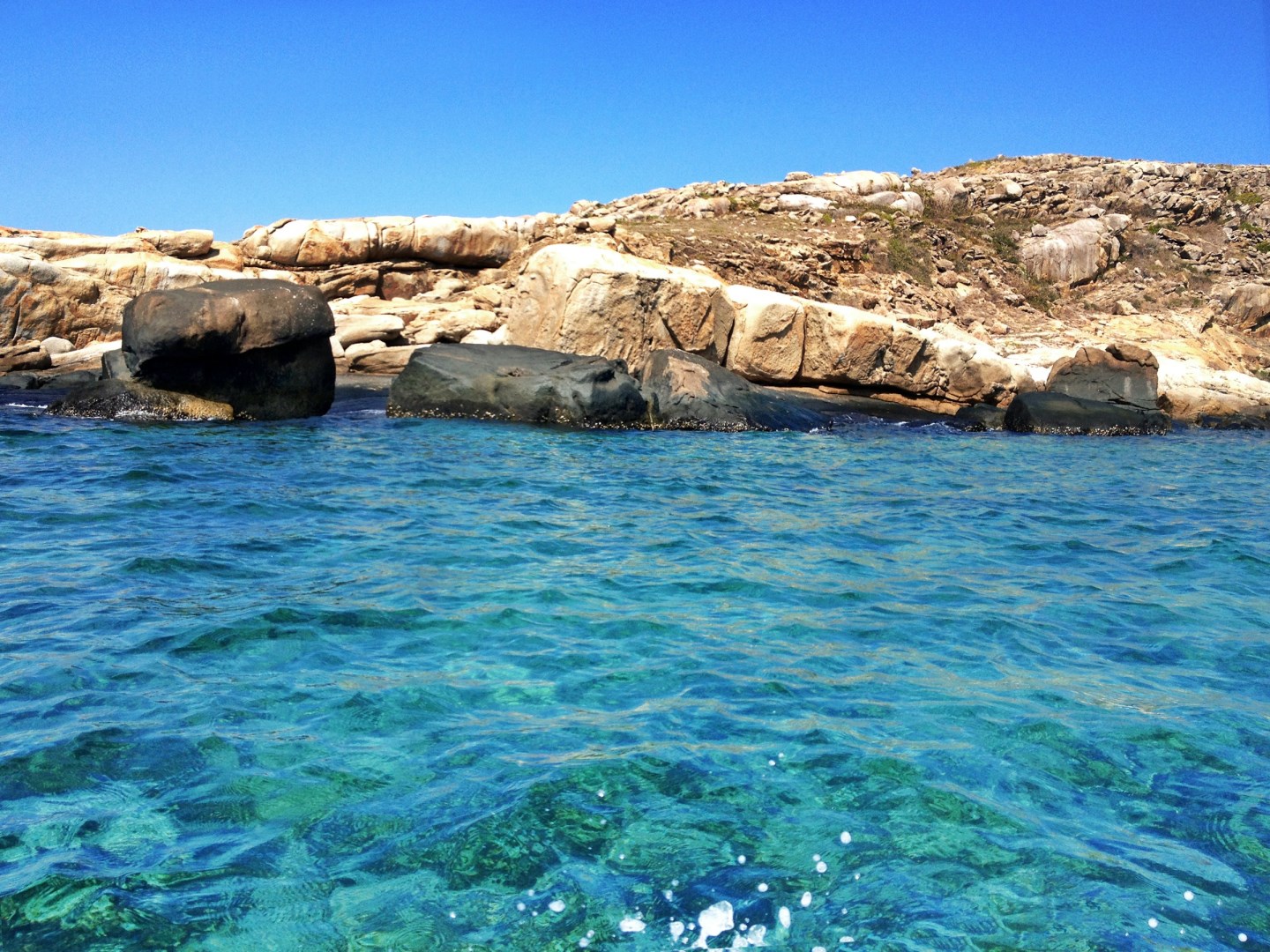
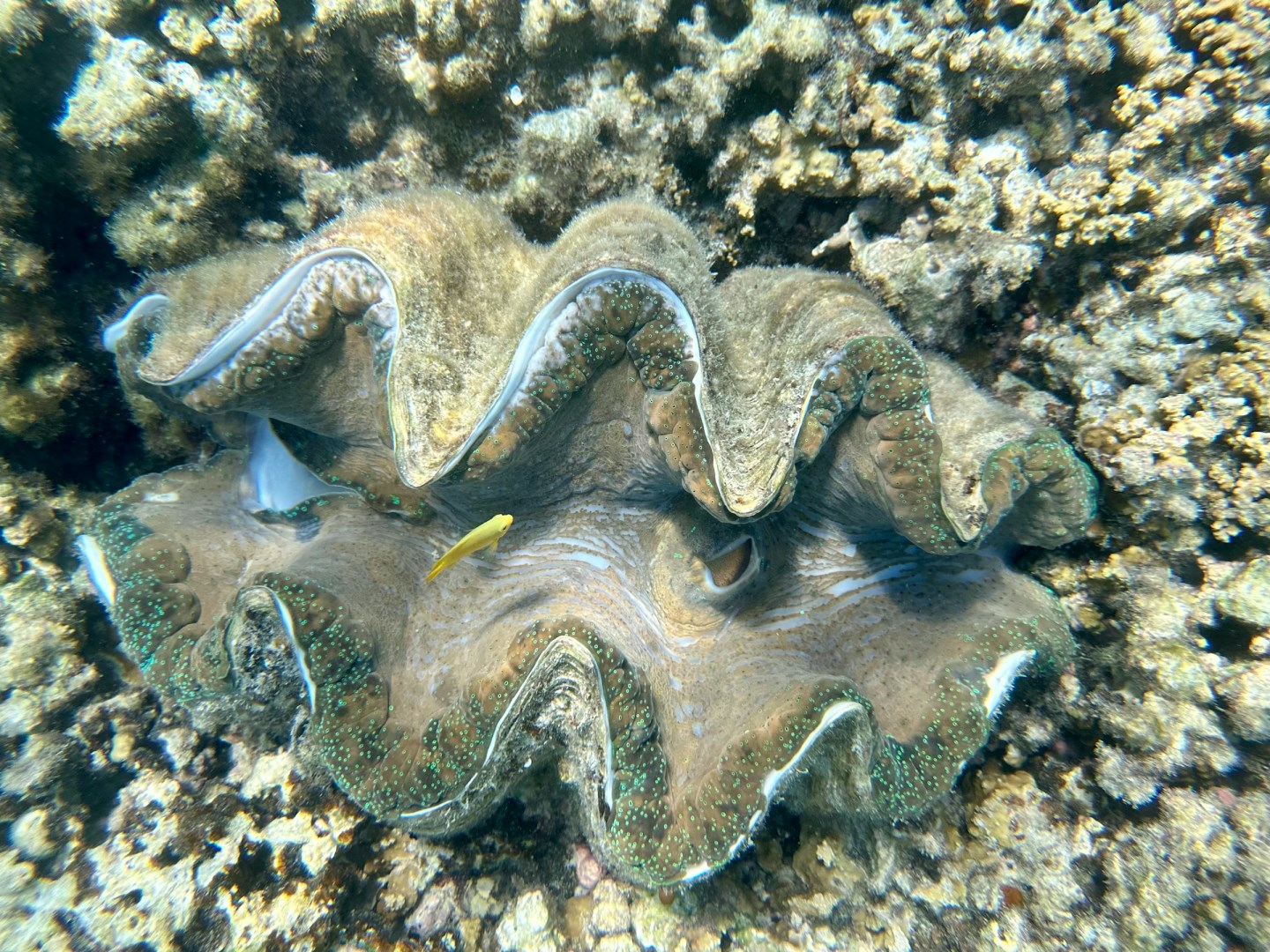
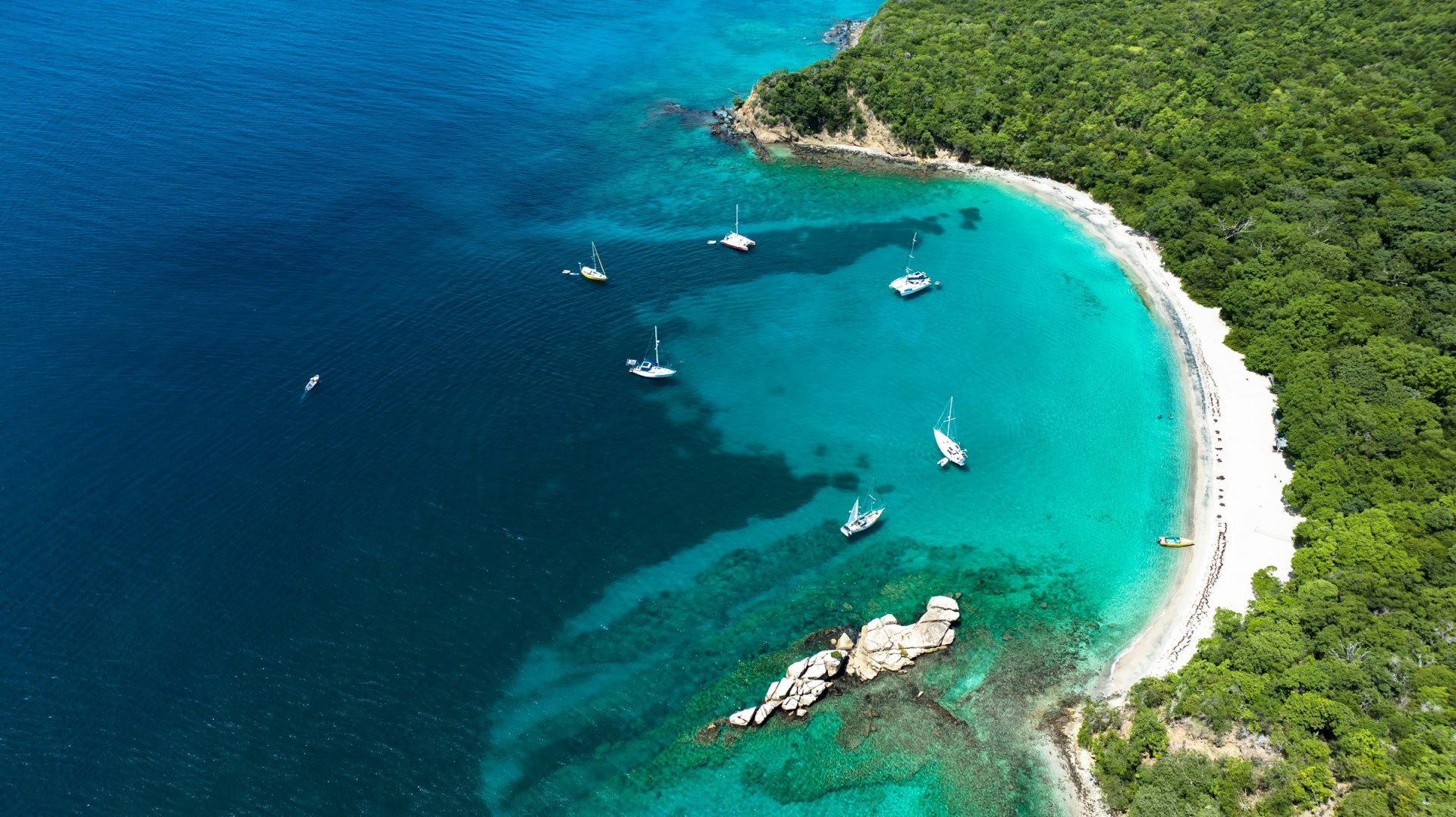
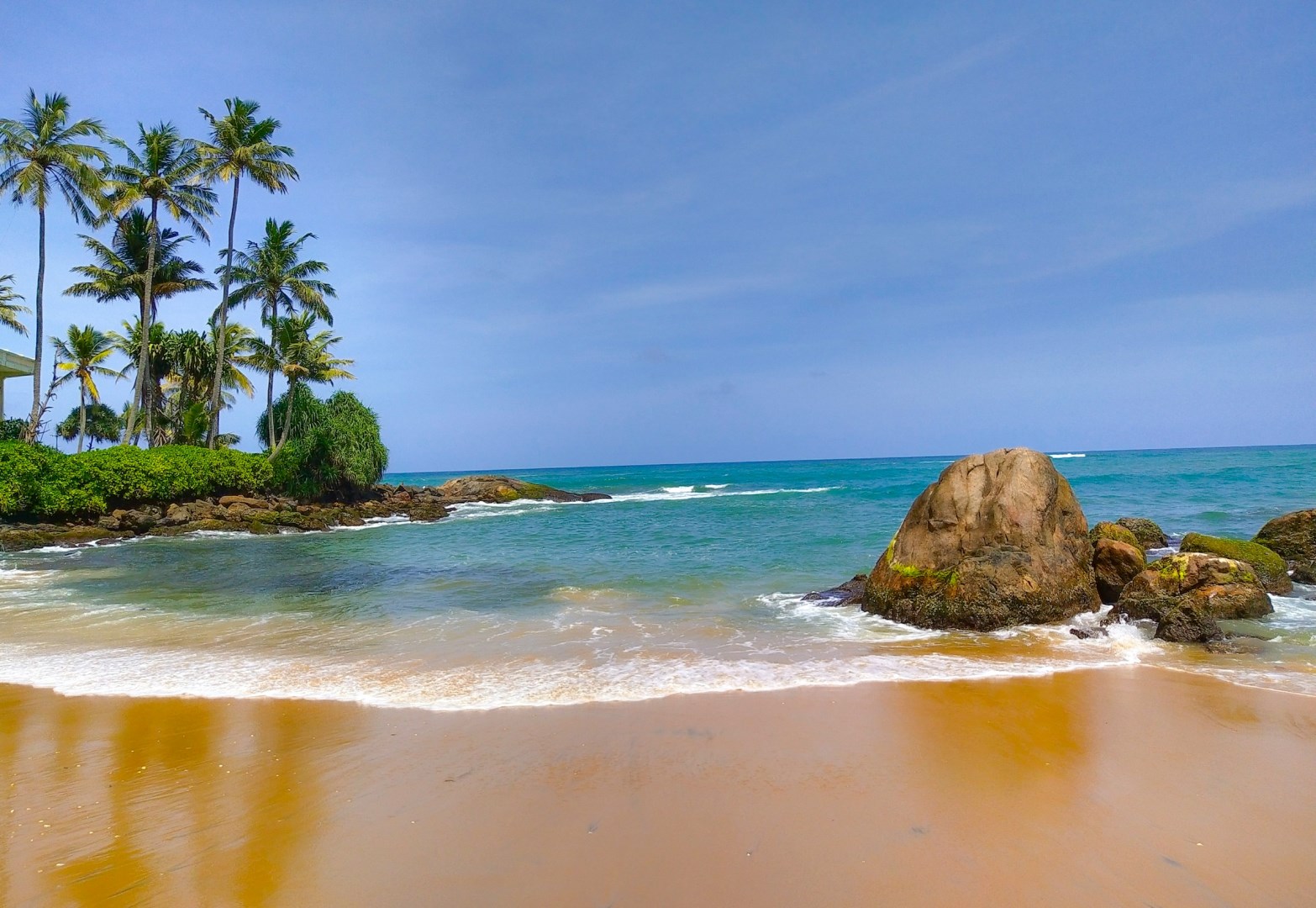
Seclusion is the name of the game on Lizard. It's a large national-park island (21 sq km), located 240km from Cairns and surrounded by Osprey Island, Seabird Islet, South and Palfrey islands. Lizard has special historical interest due to Captain Cook's visit. It also has fine diving and fishing possibilities (it's only 15km from the outer edge of the reef), 23 superb beaches (among the reef's best) and great swimming and snorkelling. However, seclusion and isolalion do not come cheaply, and children under the age of six are banned from the island's small resort.
The resort has the usual sporting facilities, including a floodlit tennis court and swimming pool. The use of all water-sports equipment is included in the daily tariff, but boating trips cost extra. There's also a small campsite, but campers must be entirely self-sufficient as the resort does not particularly welcome non-tariff-paying visitors. This is a pity, as it has an excellent reputation for its cuisine. There's great diving, even right off the beach, but again it isn't cheap. Heavy-tackle fishing is a big attraction, particularly from September to December, and many game-fishing boats use Lizard as a base
during this time. The island has many fine walks and abundant wildlife, such as the huge lizards which gave the island its name, five species of snakes, a small colony of bats and more than 40 species of birds. Almost all resort guests arrive from Cairns by air. There is no regular shipping or ferry service, and the only other possibility is to take a cruise, which will anchor offshore for a night or two. Lizard is one of the most popular anchorages along the reef, and it's the last really
good mooring place before you get to Thursday Island.
The resort has the usual sporting facilities, including a floodlit tennis court and swimming pool. The use of all water-sports equipment is included in the daily tariff, but boating trips cost extra. There's also a small campsite, but campers must be entirely self-sufficient as the resort does not particularly welcome non-tariff-paying visitors. This is a pity, as it has an excellent reputation for its cuisine. There's great diving, even right off the beach, but again it isn't cheap. Heavy-tackle fishing is a big attraction, particularly from September to December, and many game-fishing boats use Lizard as a base
during this time. The island has many fine walks and abundant wildlife, such as the huge lizards which gave the island its name, five species of snakes, a small colony of bats and more than 40 species of birds. Almost all resort guests arrive from Cairns by air. There is no regular shipping or ferry service, and the only other possibility is to take a cruise, which will anchor offshore for a night or two. Lizard is one of the most popular anchorages along the reef, and it's the last really
good mooring place before you get to Thursday Island.
Other Popular Destinations in Australia

Sydney, Australia, is a vibrant city where iconic landmarks, diverse neighborhoods, and natural beauty converge. The Sydney Opera House, with its striking sail-like design, and the Sydney Harbour Bridge are symbols recognized around the world, yet the city offers much more beyond its famous skyline.

Cairns is the majestic entrance to Australia's Great Barrier Reef. This warm, tropical destination is located in Far North Queensland. Must-see attractions in Cairns include the Tjapukai Aboriginal Cultural Park, which educates tourists about indigenous peoples, and restaurant and bar-dotted Cairns Esplanade, which has a lagoon for swimming.
