


South America | Chile | Chiloé Island
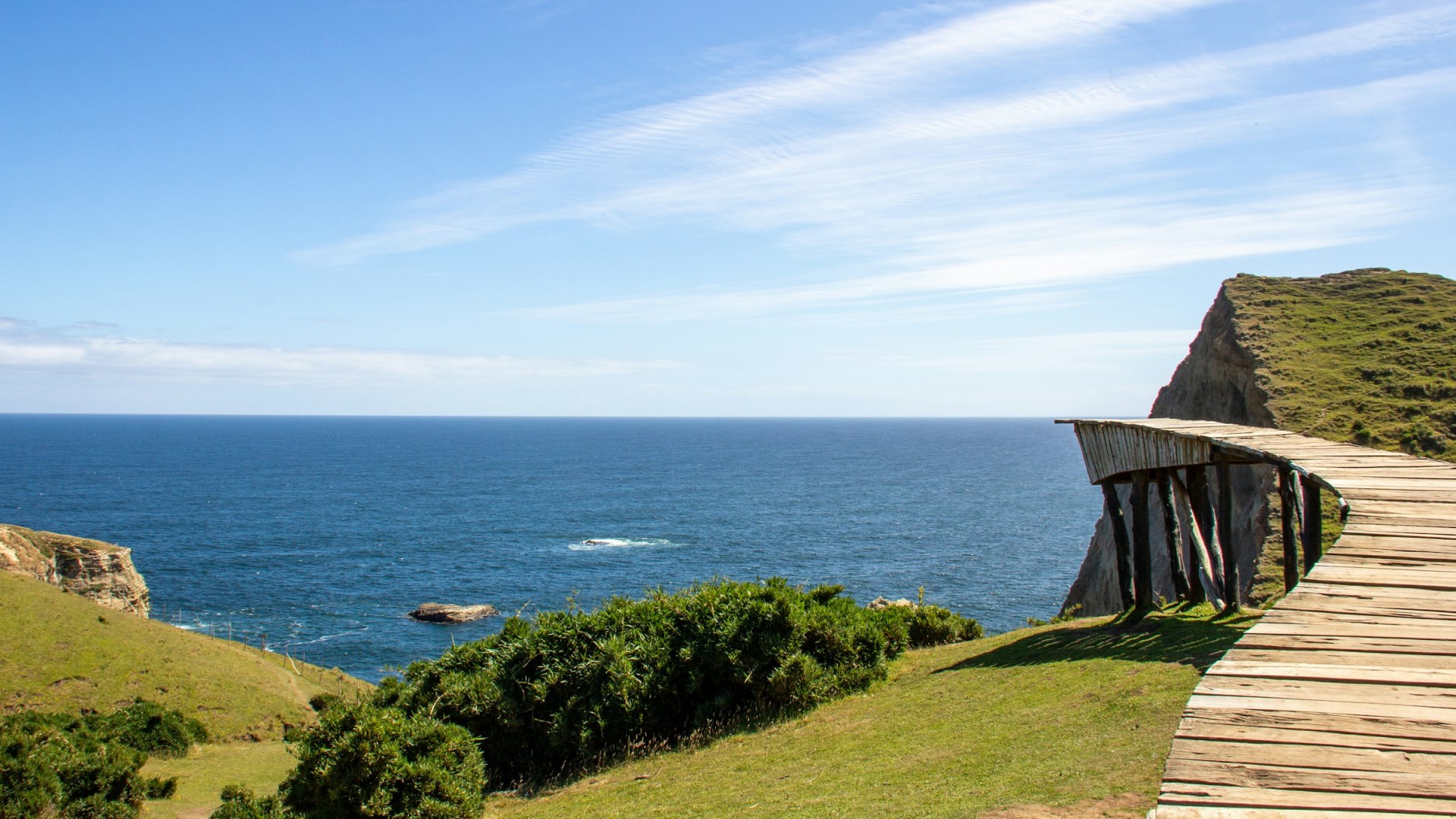

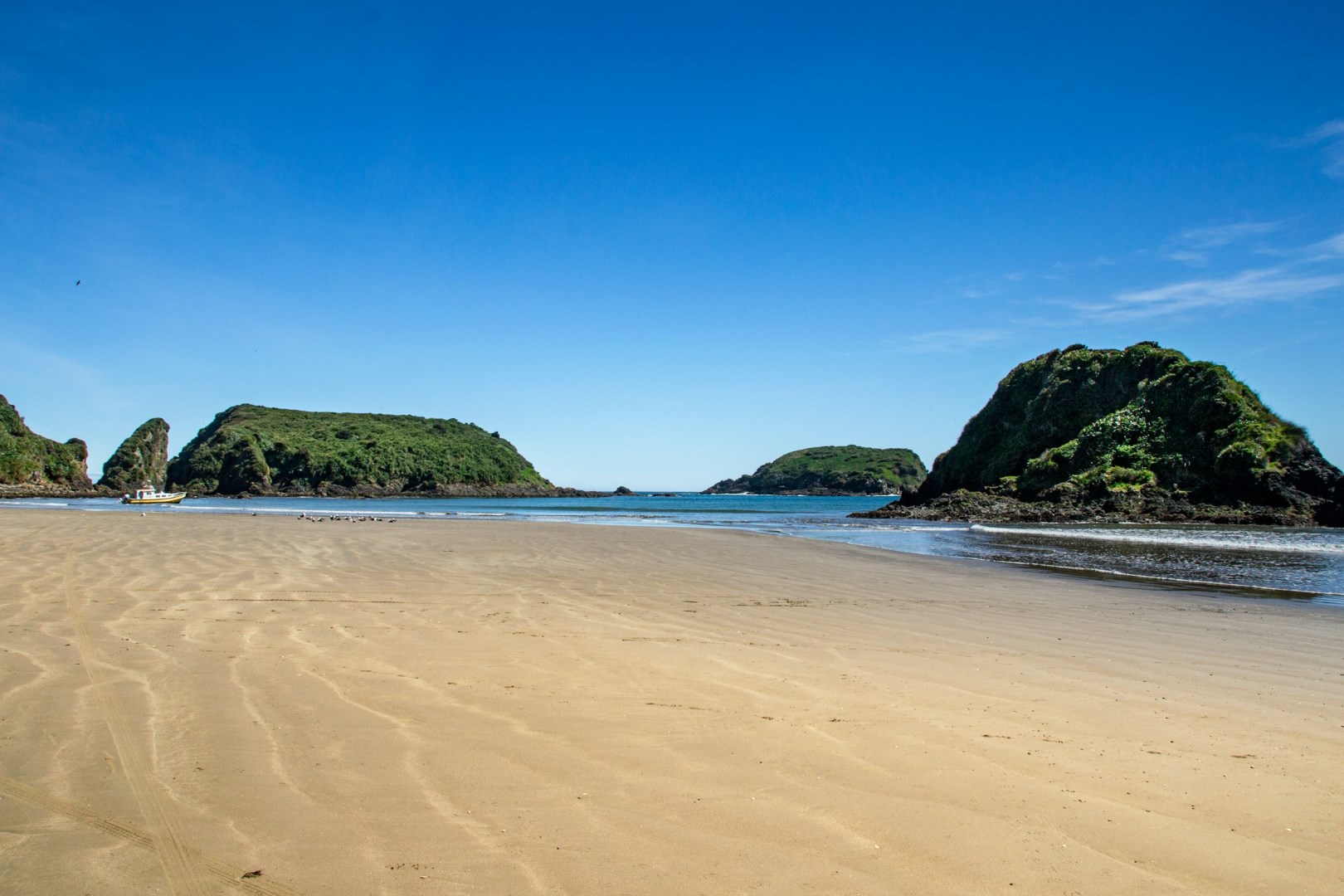
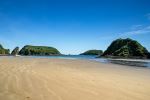

Chiloé Island is the largest island in the Chiloé Archipelago in southern Chile, separated from the mainland by the Chacao Channel and surrounded by the Gulf of Corcovado and the Pacific Ocean. Its landscape is shaped by wooded hills, farmland, wetlands, beaches, and a network of channels and smaller islands. Rural communities are scattered across the island, while towns such as Castro, Ancud, and Chonchi provide commercial and cultural centers. Wooden houses, colorful palafitos, and traditional boats are characteristic features of settlements along the island's sheltered eastern coast.
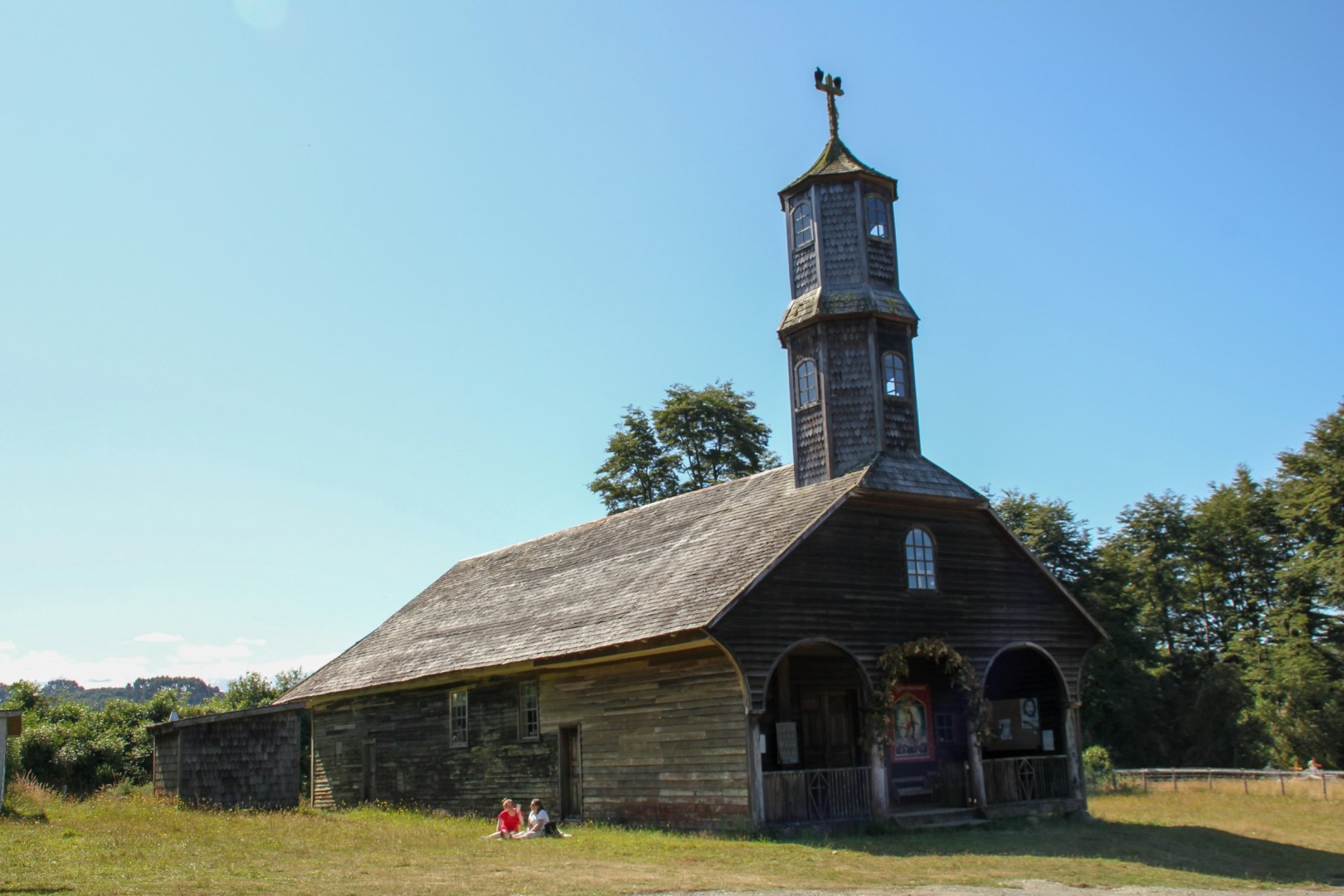
Chiloé has a distinctive cultural identity shaped by Indigenous Chono and Mapuche-Huilliche traditions and later Spanish influence. Its most recognizable architectural heritage is a group of wooden churches built in traditional island styles, with 16 recognized by UNESCO as the Churches of Chiloé World Heritage property. Chilote traditions also include woodcarving, weaving, boatbuilding, music, and folklore. Local stories feature figures such as the Caleuche, a mythical ghost ship associated with the sea. Community festivals and religious celebrations remain important expressions of the island's cultural life.
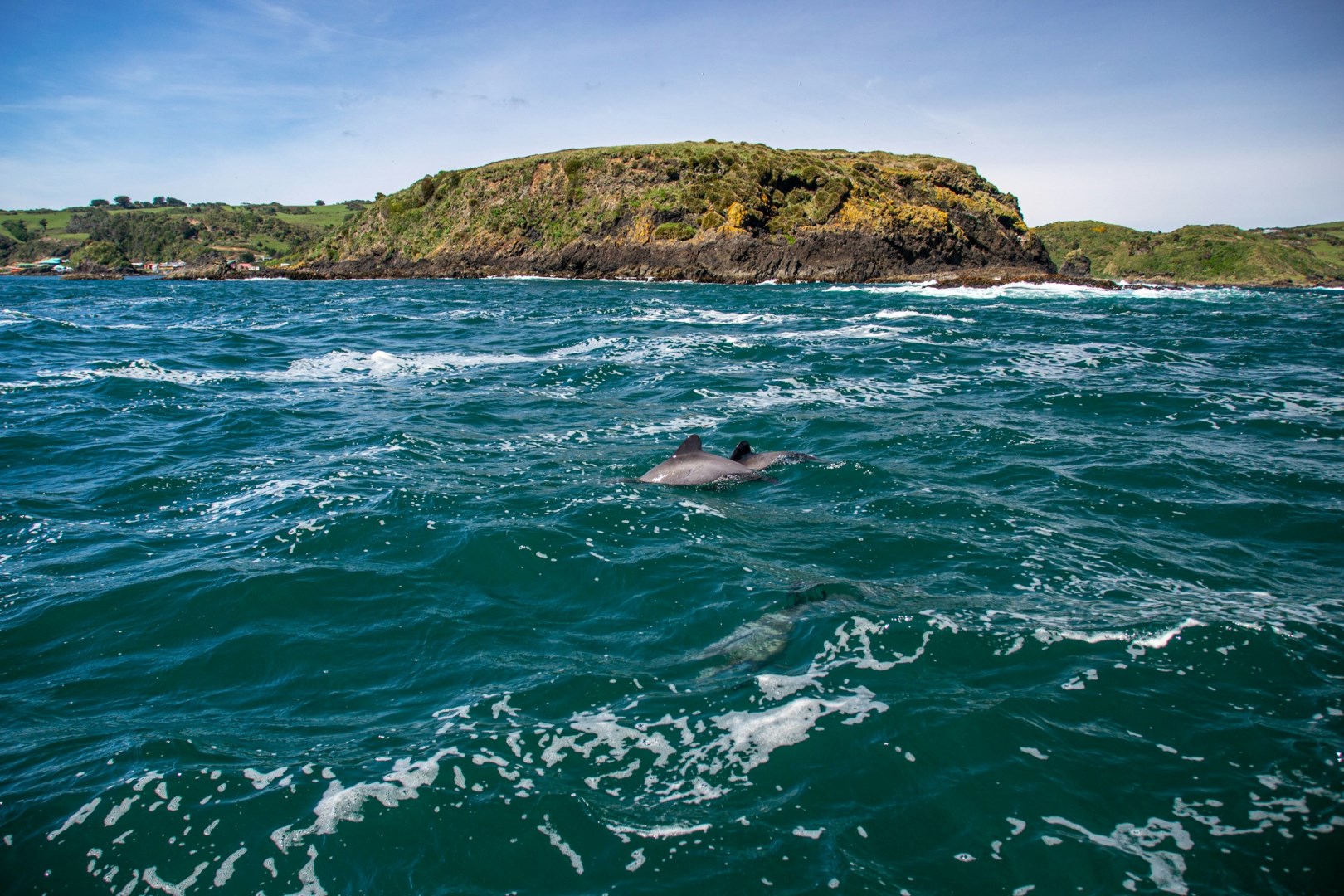
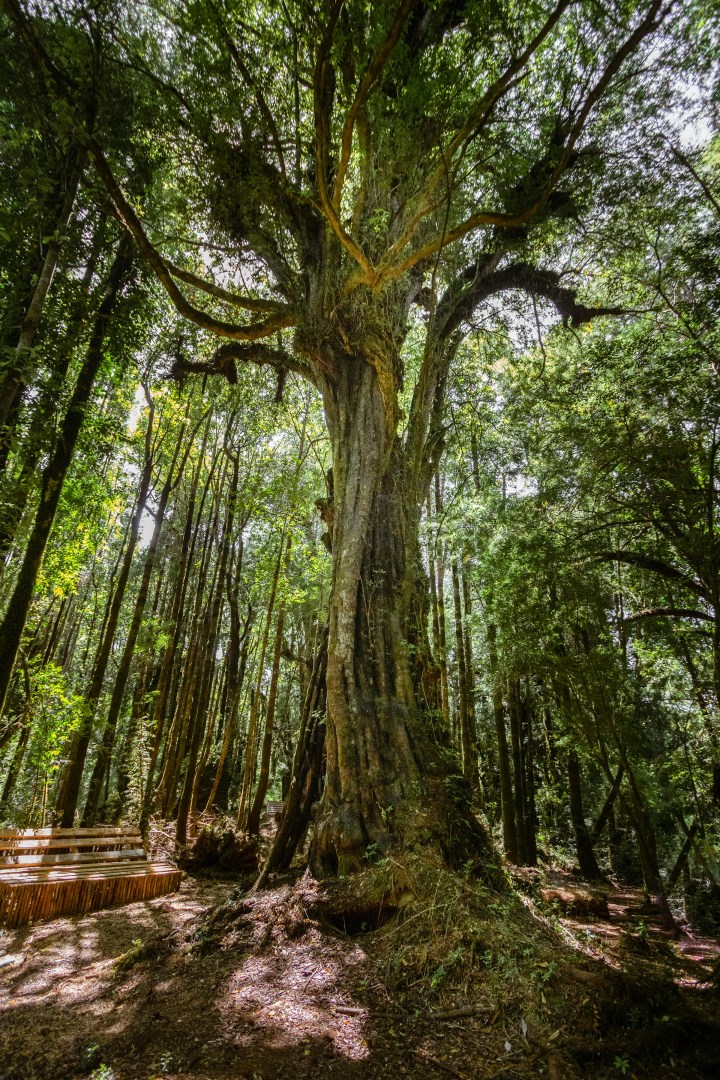
The island's natural environment includes temperate rainforests, peatlands, dunes, lakes, and extensive coastal habitats. Chiloé National Park protects forests and shoreline along the island's western coast, while Tantauco Park covers a large area of native forest, wetlands, lakes, and coastal ecosystems in the south. The eastern shore has calmer waters and numerous channels, while the exposed Pacific coast faces stronger waves and open ocean. Chiloé is also an important habitat for marine and bird species, including dolphins, sea lions, penguins, and a variety of coastal and forest birds.
Chilote cuisine is closely connected to the island's farms and coastal waters. Curanto is the best-known traditional preparation, combining shellfish, meat, potatoes, milcao, and chapalele, traditionally cooked in a pit lined with heated stones or prepared in a large pot. The island is also associated with numerous varieties of native potatoes, which appear in dishes such as milcao and chapalele. Seafood, mussels, clams, salmon, and other fish are widely used in local cooking. Markets in towns such as Castro and Ancud offer seafood, produce, preserves, woolens, and other products from communities throughout the archipelago.
Other Popular Destinations in Chile


