
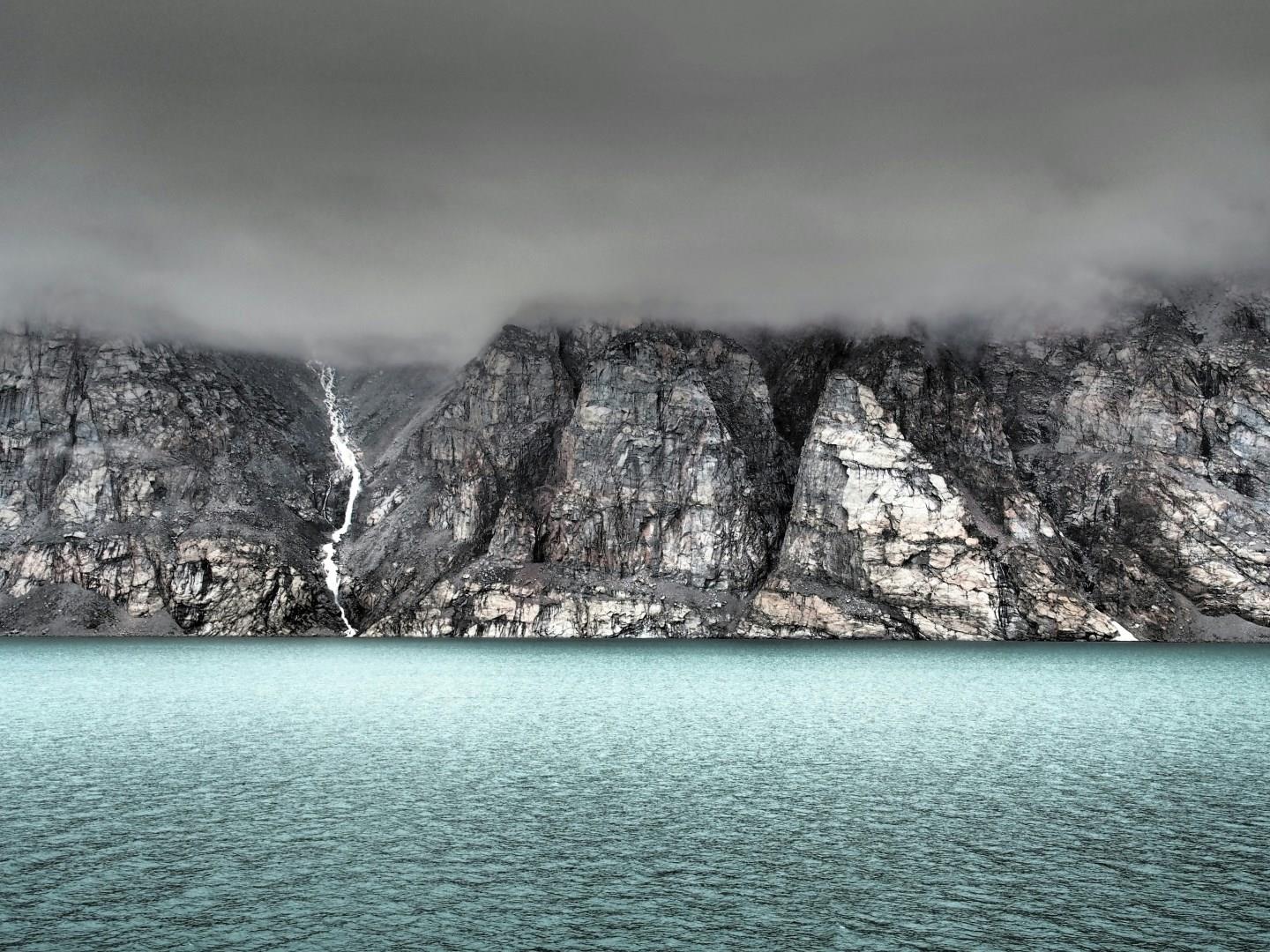
Baffin Island
Baffin Island is Canada’s largest island and one of the Arctic’s most imposing landscapes, shaped by ice, migration, and long human presence. Inuit communities have lived here for thousands of years, developing deep connections to sea ice, wildlife, and seasonal movement.
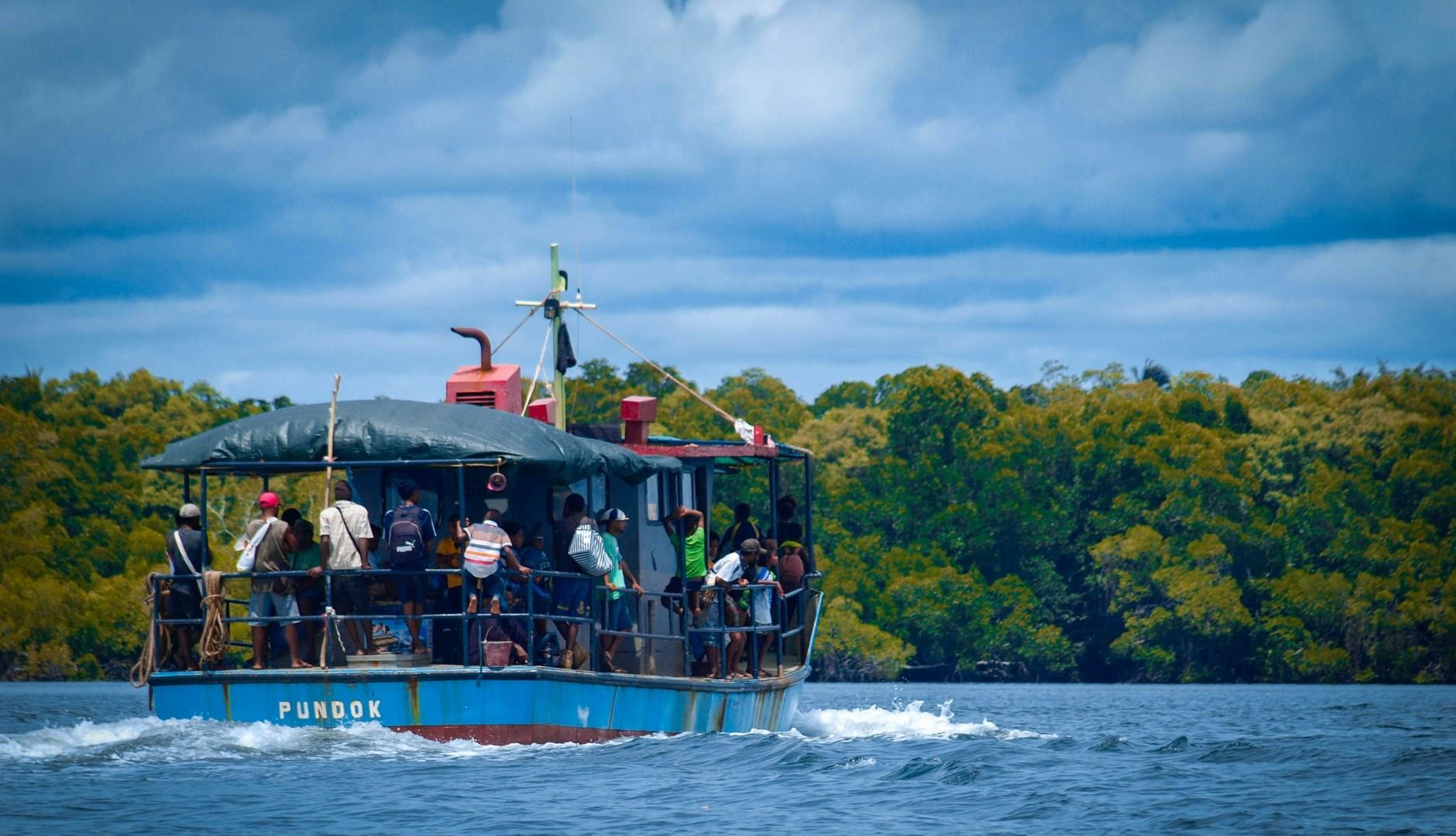
Madang
Madang, perched on the edge of Astrolabe Bay, feels like a well-kept secret of Papua New Guinea that’s framed by lush jungles and dotted with volcanic isles. Every June, Madang pulses with energy at the annual Madang Festival. Villages from across the province gather for ceremonies where dancers don feathered costumes, shells, and body paint. The beat of kundu drums rises through the air and stories woven in movement.
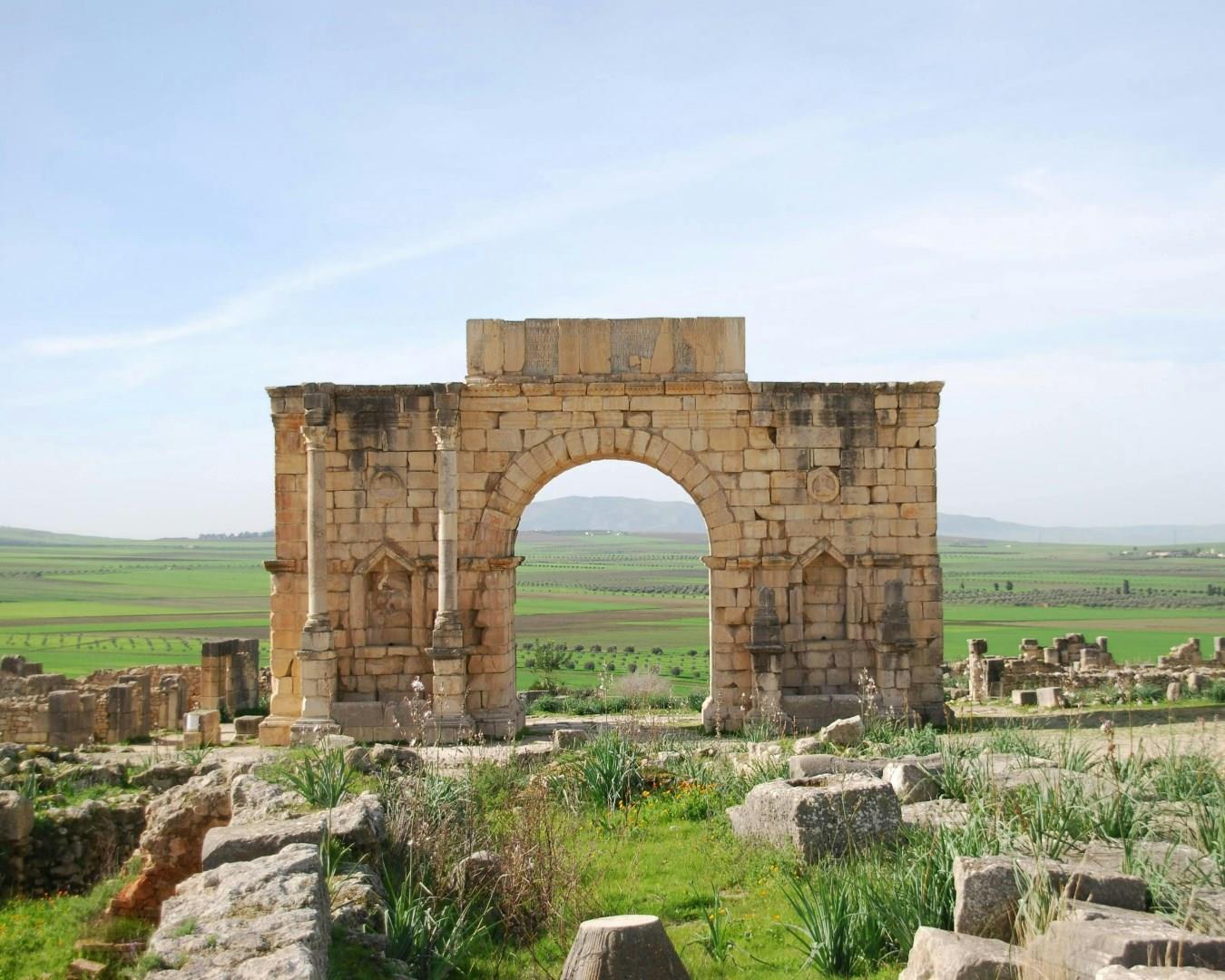
Meknes
Meknes, one of Morocco’s four imperial cities, is a historic jewel known for its blend of grandeur and tradition. Once the capital under Sultan Moulay Ismail in the 17th century, the city was envisioned as the “Versailles of Morocco,” filled with monumental gates, sprawling walls, and lavish palaces.
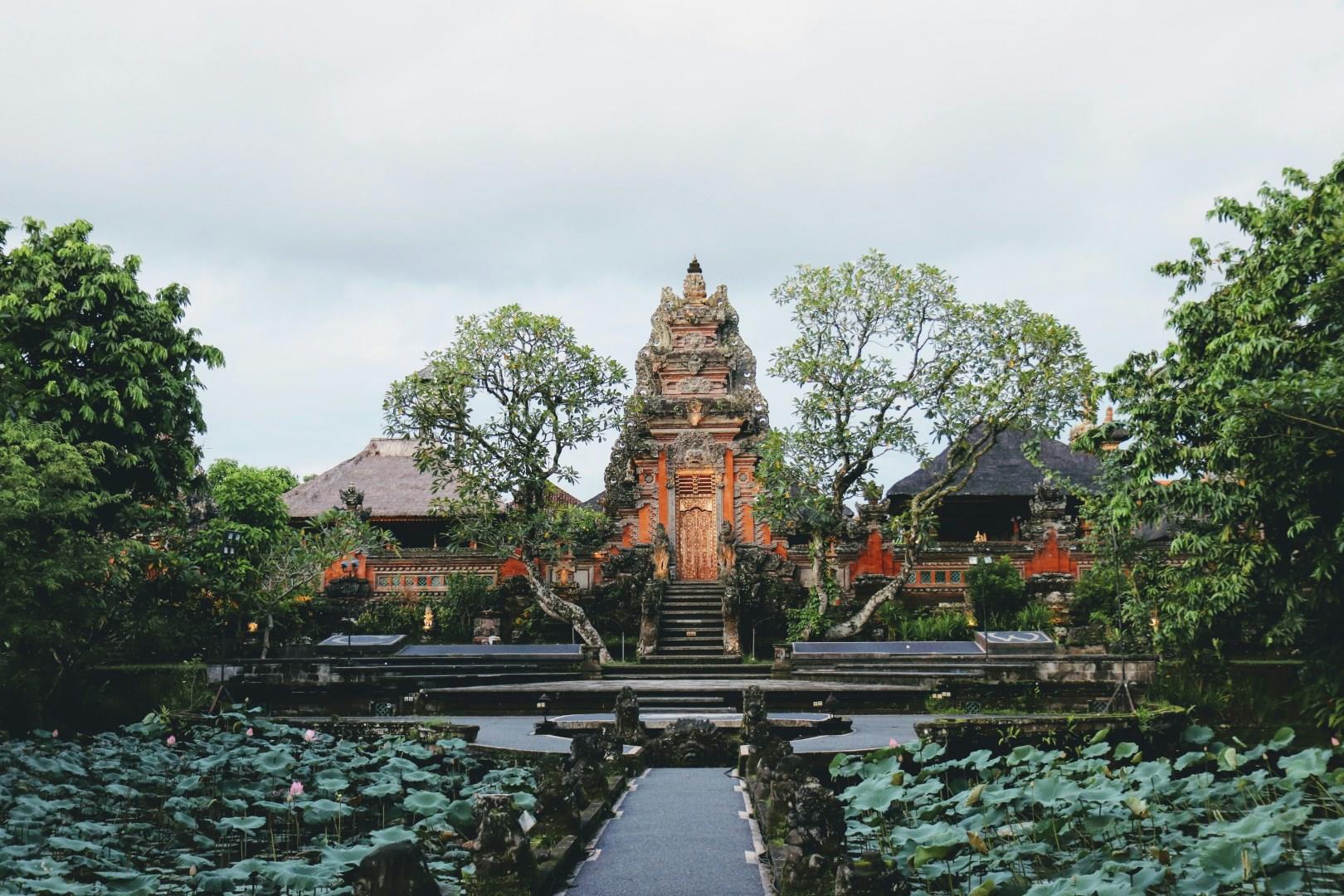
Ubud
Ubud lies in the uplands of central Bali and has long been regarded as the island’s cultural and spiritual heart. Historically a center for healing and royal patronage, the town developed around temples, palaces, and traditional villages that supported dance, painting, woodcarving, and ritual life.
Douz
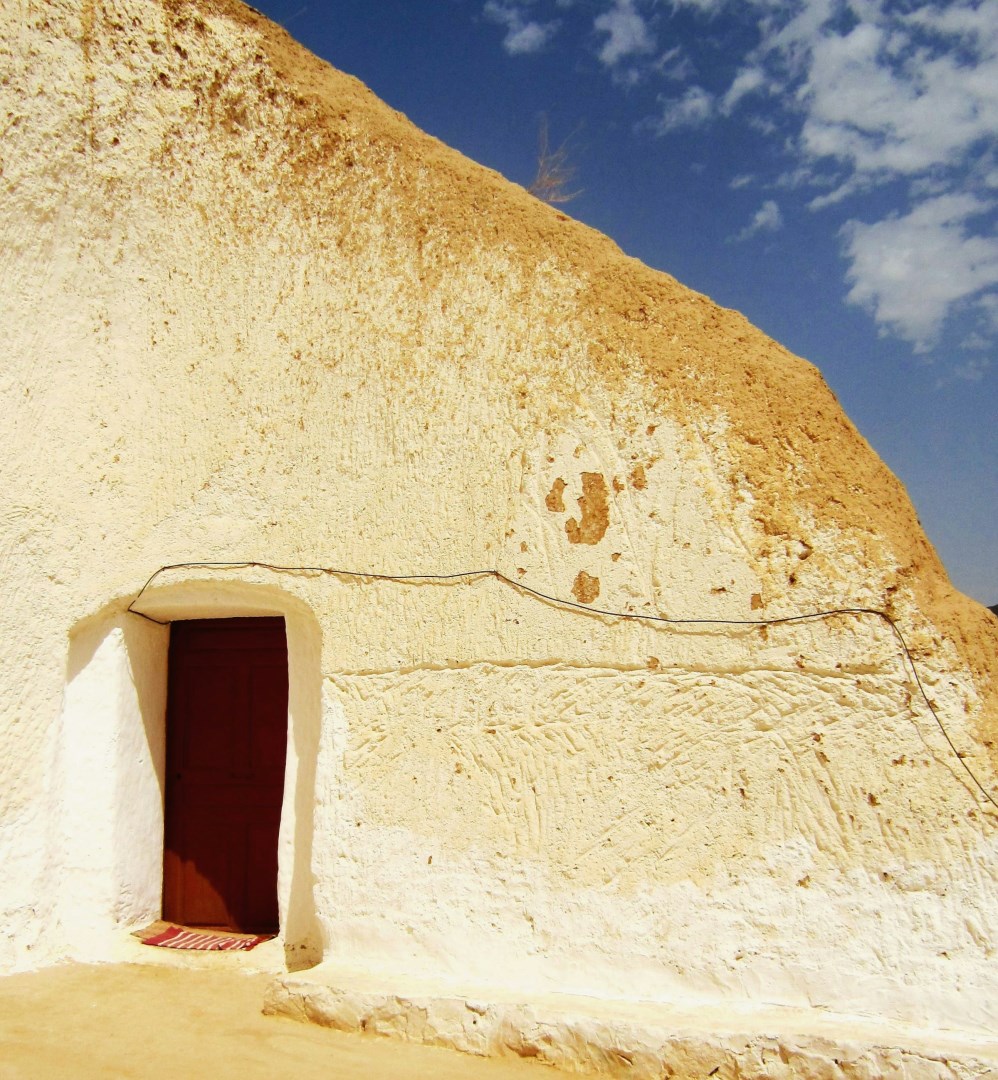
Douz is a town in southern Tunisia on the edge of the Sahara, where date-palm oases meet the dunes of the Grand Erg Oriental. The town is often regarded as a gateway to the sandy desert, with dunes beginning close to the built-up area and extending toward the wider Sahara. Palm groves provide a strong contrast to the surrounding dry landscape, while nearby Chott el-Jerid forms a vast salt depression with bright mineral surfaces and mirages.
Nesvizh
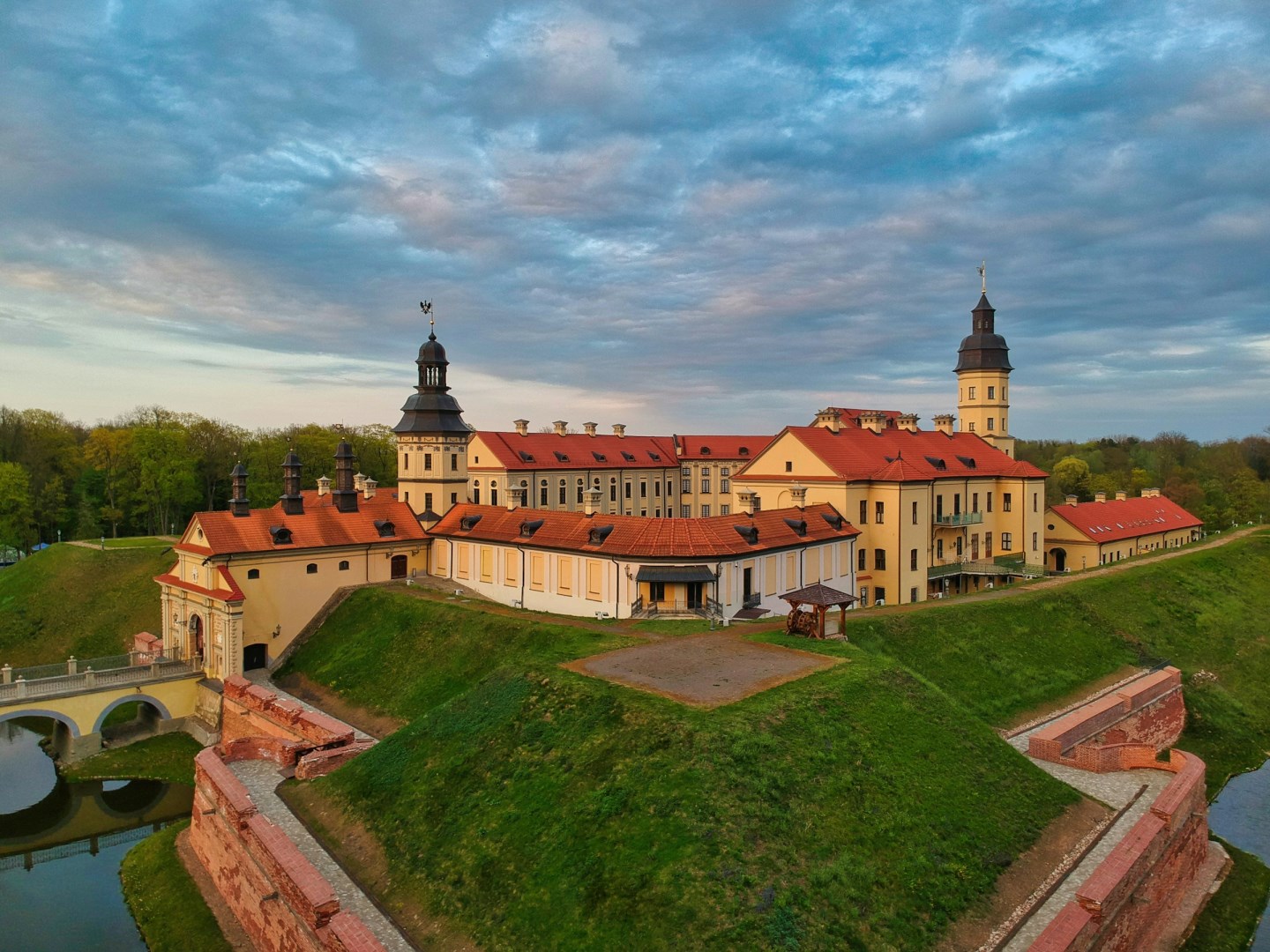
Nesvizh is a historic town in central Belarus known for its connection with the Radziwill family and its well-preserved architectural heritage. The town lies among low wooded landscapes and cultivated fields, with the Nesvizh Castle complex forming its principal landmark.
Searching...
