
Onguma Private Game Reserve
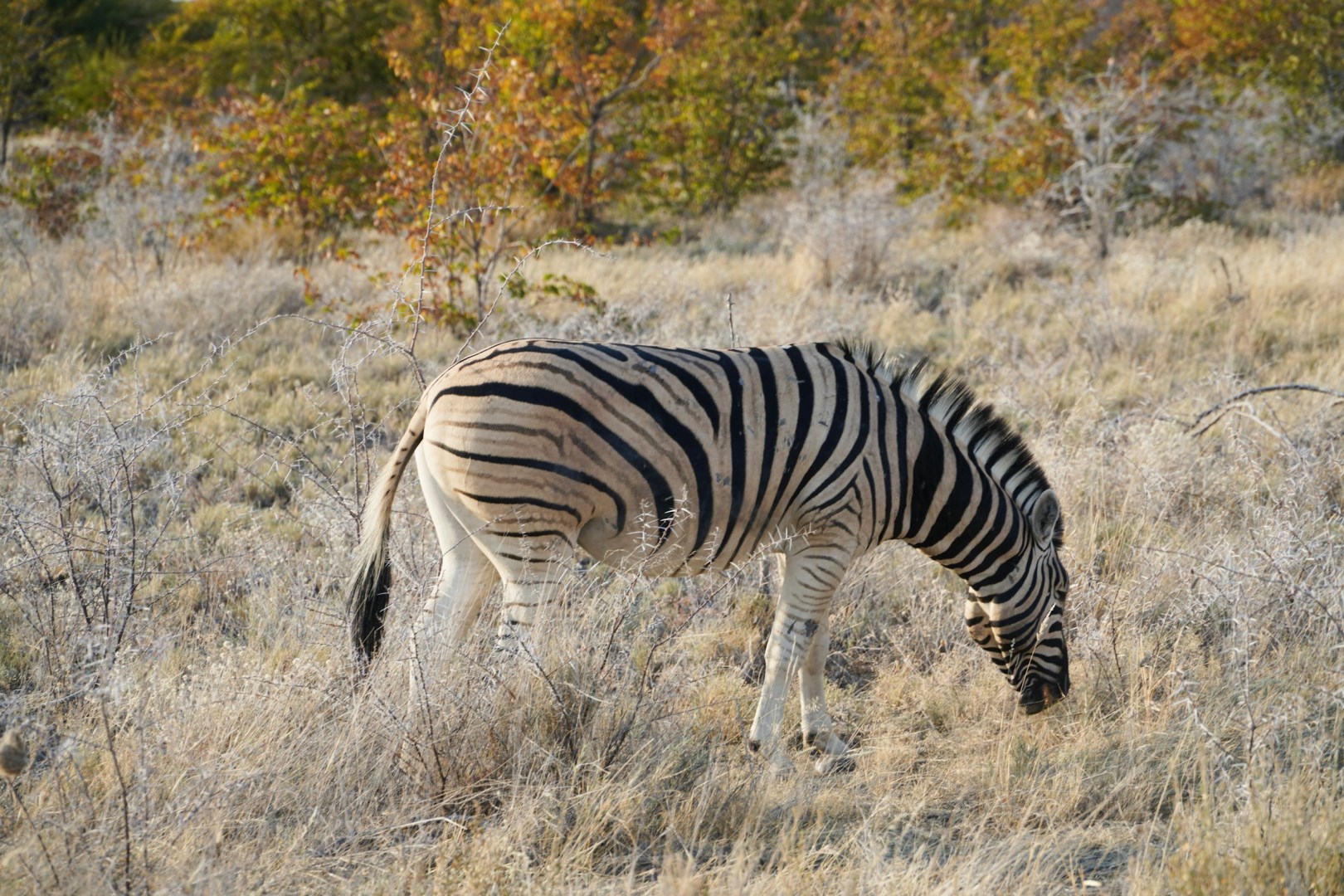
Onguma Private Game Reserve covers about 35,970 hectares along the eastern boundary of Etosha National Park in northern Namibia. The reserve contains open savanna, bushveld, dry riverbeds, seasonal pans, ancient leadwood trees, and waterholes that attract wildlife. Its position beside Etosha gives visitors access to two different conservation areas, with guided drives within the private reserve and excursions into the national park.
Komodo National Park
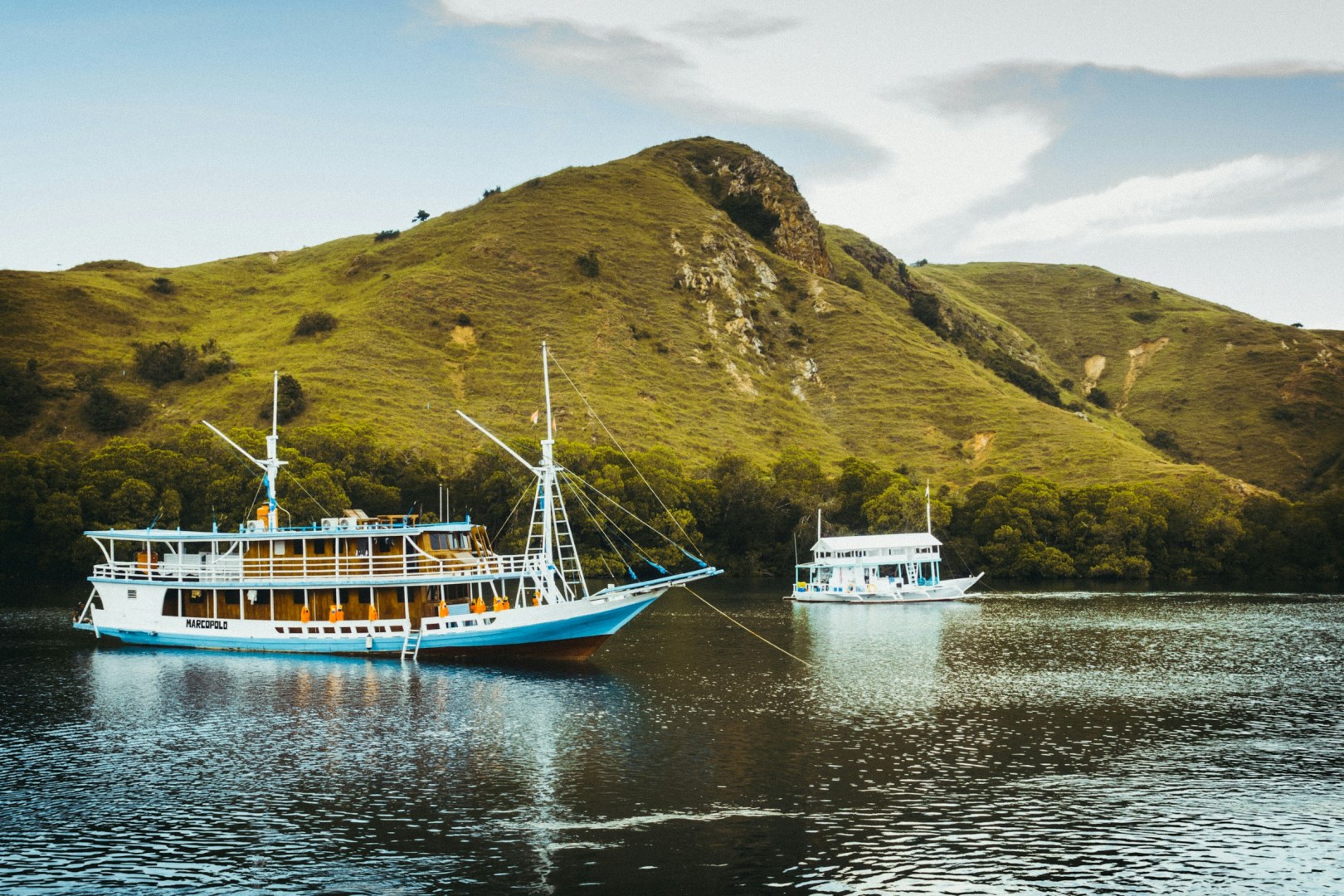
Komodo National Park is a natural wonder, home to the world’s largest lizards, breathtaking pink sand beaches, and colorful coral reefs. Trek through rugged landscapes to spot Komodo dragons in the wild or dive alongside graceful manta rays and colorful fish. With jagged hills rising from turquoise waters, the park offers an unforgettable adventure that feels truly otherworldly.
Hokkaido
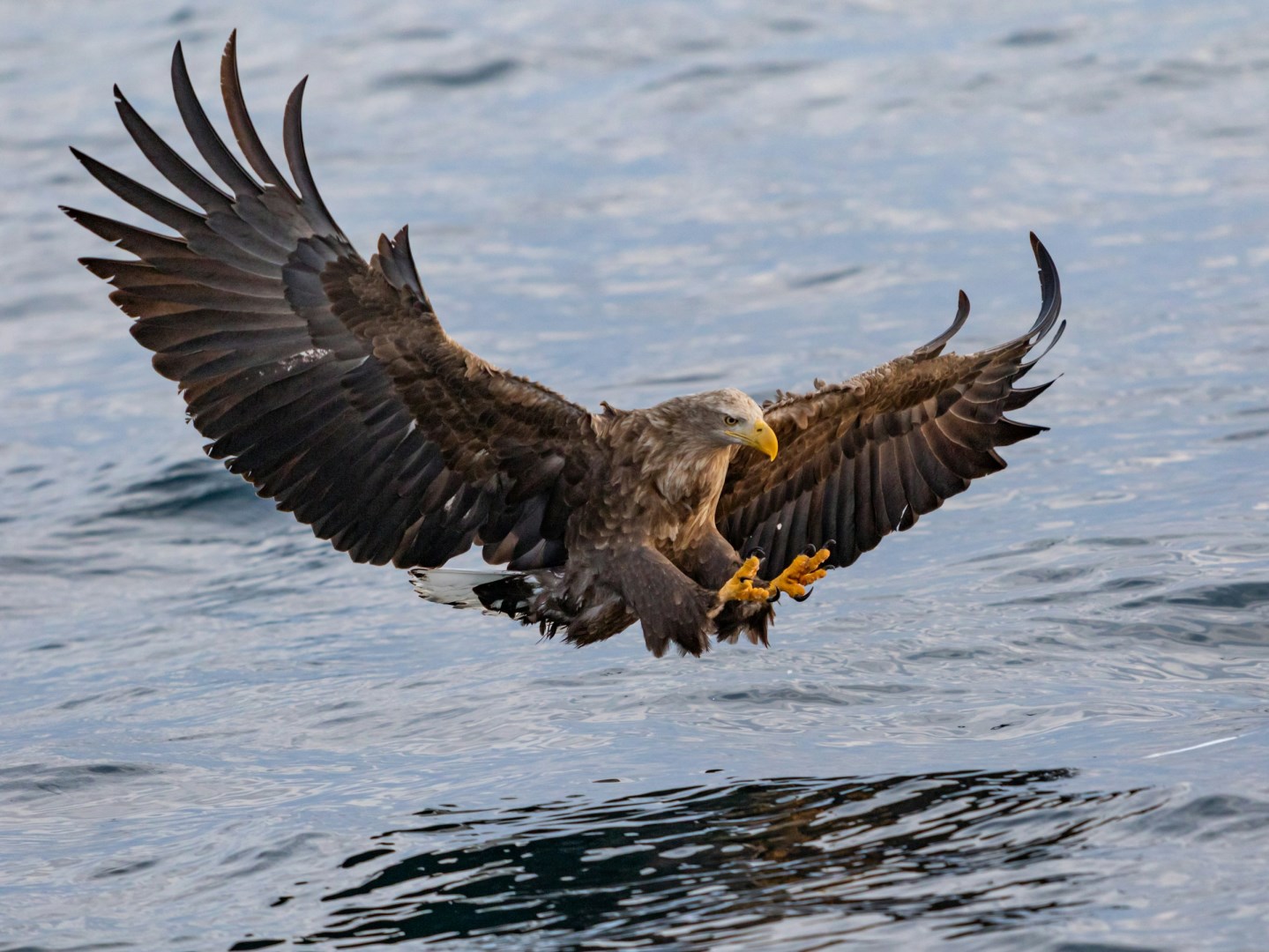
Hokkaido is Japan's northernmost main island and the country's second-largest island, known for broad landscapes, volcanic mountains, forests, lakes, and a cooler climate than most of Japan. Sapporo serves as the prefectural capital and largest city, while smaller communities extend across farmland, coastlines, and mountain regions.
Salima
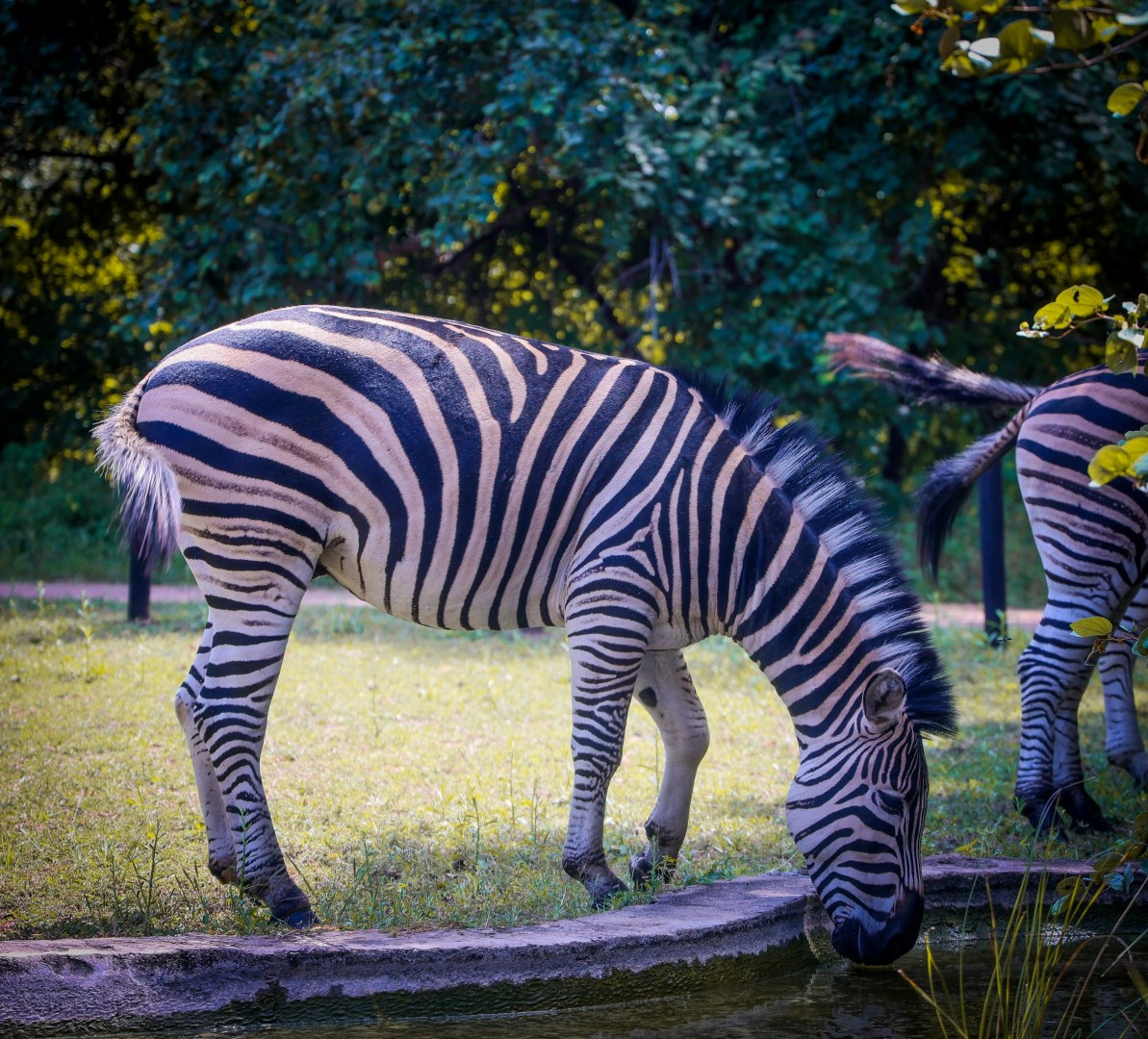
Salima is a lakeside town in central Malawi, located between Lake Malawi and the capital city, Lilongwe. Its position near the lake has made it an important centre for fishing, agriculture, trade, and transport. Salima also has a practical connection to Lake Malawi through nearby Senga Bay, one of the better-known recreational areas on the central lakeshore. Its combination of inland commerce and easy access to the lake gives the town a distinctive role in central Malawi.
Krabi
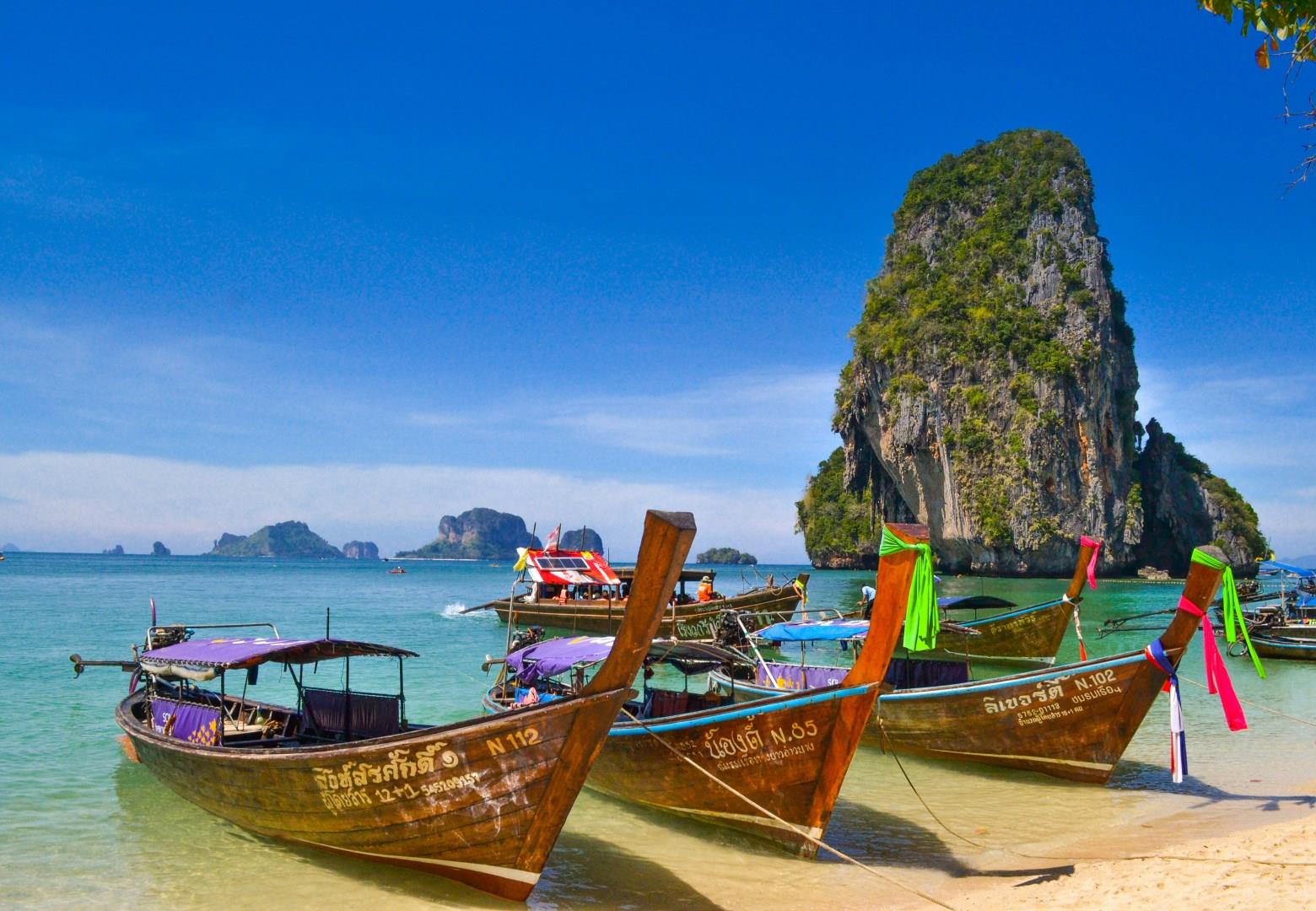
Krabi, located on the southwest coast of Thailand, is known for its towering limestone cliffs, warm Andaman waters, and a coastline dotted with over 150 islands. One of its most iconic sites is Railay Beach, which is accessible only by boat due to the cliffs that cut it off from the mainland. Railay is famous among rock climbers for its natural limestone formations, some of which hang directly over the sea.
Searching...
