

Destinations
Destinations 1 - 4 of 4

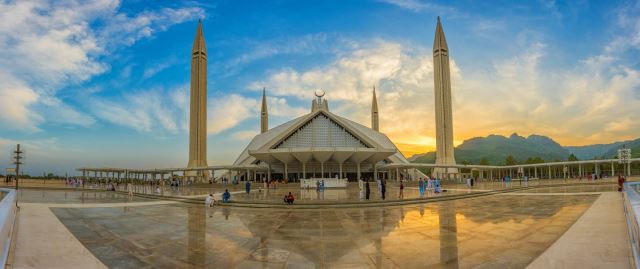
Islamabad is the capital of Pakistan, set against the wooded slopes of the Margalla Hills in the north of the country. Planned as a purpose-built capital, the city is organized around broad avenues, landscaped sectors, parks, and green belts, giving it a different character from Pakistan’s older cities. The Faisal Mosque is its most recognizable landmark, with its tent-shaped design and prominent position beneath the hills.
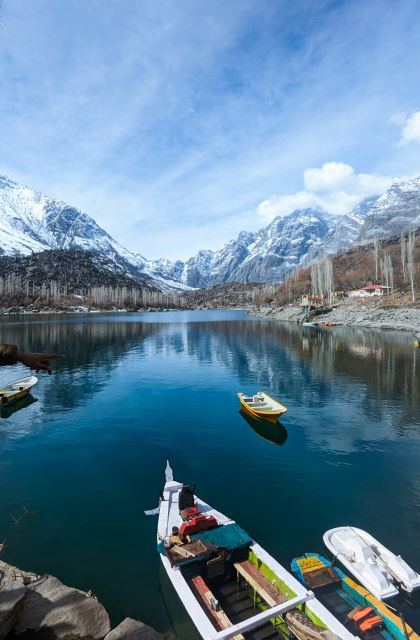
Skardu is a mountain town in Gilgit-Baltistan, northern Pakistan, set in a broad valley near the confluence of the Indus and Shigar rivers. It serves as an important gateway to the Karakoram and to trekking and mountaineering routes leading toward K2, Gasherbrum, and other high peaks. The town is surrounded by starkly contrasting landscapes, including dry mountain slopes, fertile valleys, turquoise lakes, and high-altitude plains.
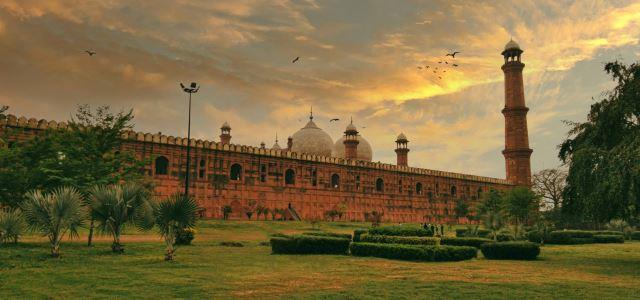
Lahore, the cultural heart of Pakistan, is a city where history, art, and culinary traditions come alive. Known for its vibrant streets and historic architecture, Lahore showcases iconic landmarks such as the Badshahi Mosque, Lahore Fort, and Shalimar Gardens, which reflect the grandeur of the Mughal era.
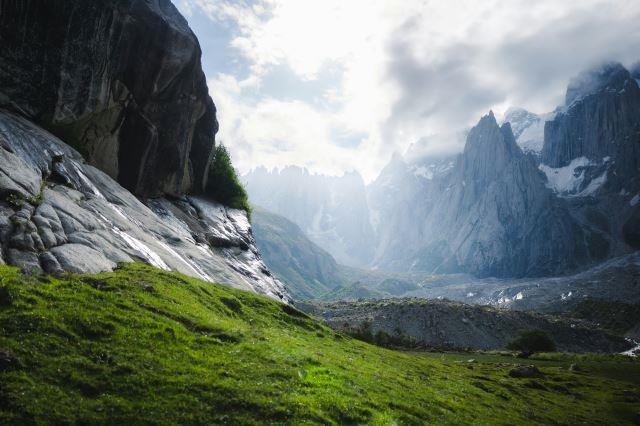
Nangma Valley, tucked deep within the Karakoram Range of northern Pakistan, is a place where towering granite spires rise dramatically above alpine meadows and clear streams. Located near the small town of Hushé in Gilgit-Baltistan, the valley is often described as a natural amphitheater of peaks. Climbers and trekkers from around the world are drawn to its vertical walls, but the valley’s quiet trails and sweeping views also offer an extraordinary experience .
Destinations 1 - 4 of 4
