

Africa | Mozambique | Catembe
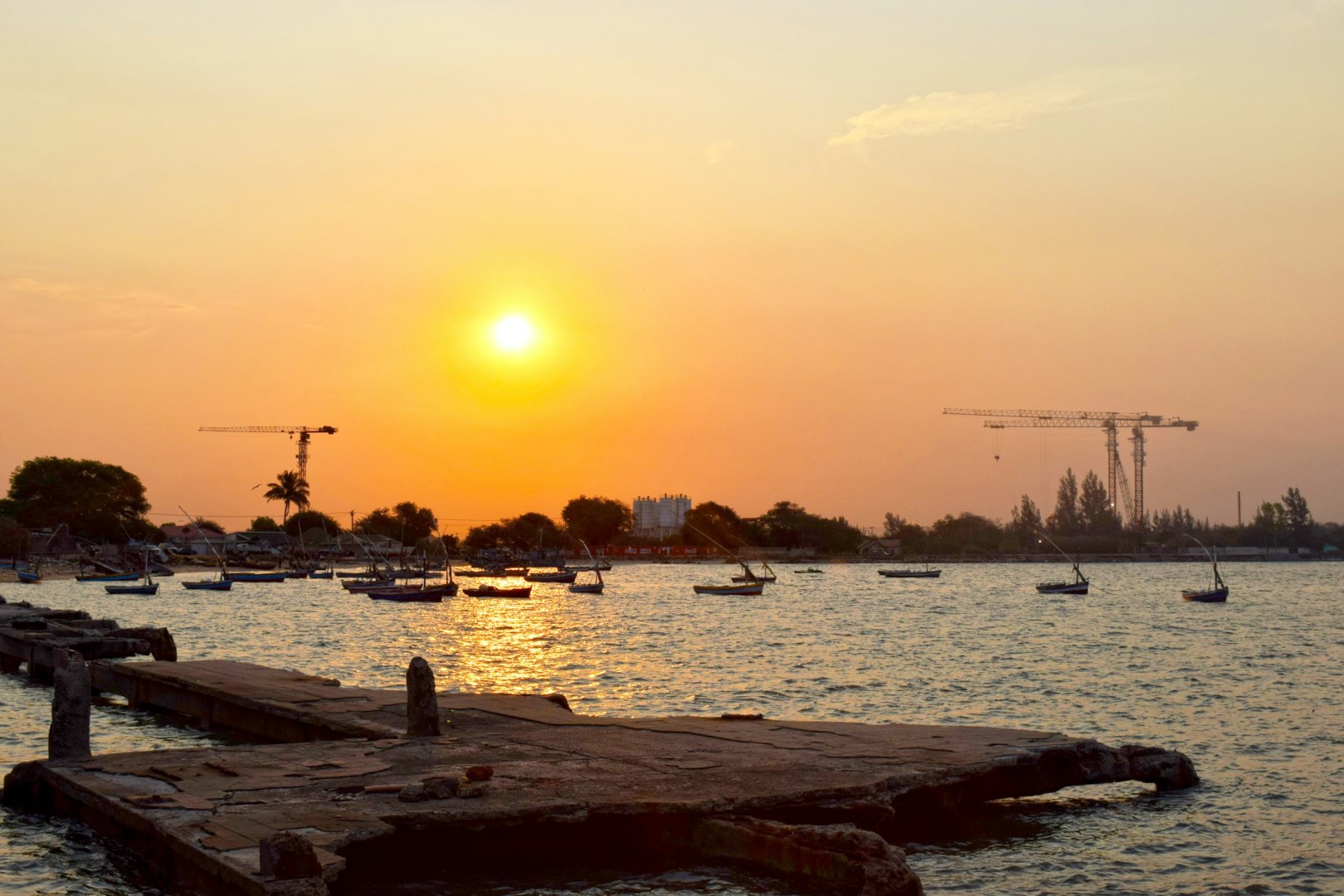
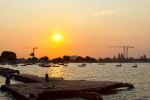
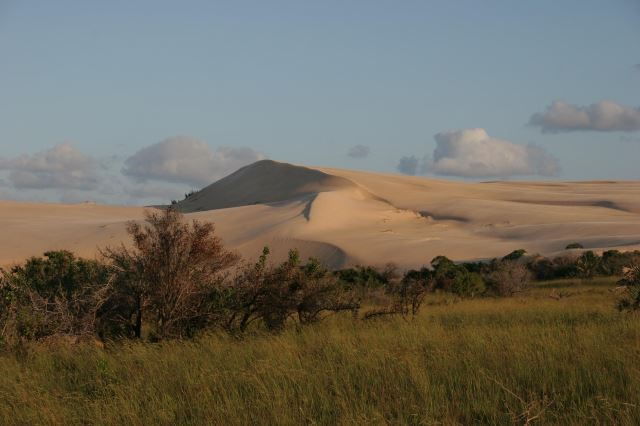
Catembe is a coastal district of Maputo, located on the southern shore of Maputo Bay directly across the water from central Maputo. Its landscape includes sandy beaches, low coastal vegetation, open land, and views across the bay toward the capital. The district has traditionally been a quieter counterpart to Maputo, with fishing, small-scale agriculture, and coastal activities forming part of local life. The Maputo–Catembe Bridge now provides a direct connection between the two sides of the bay, while Catembe remains a gateway toward Mozambique’s southern beaches and the Maputo coastline.
Catembe has strong connections to the Tembe people and the wider cultural history of Maputaland. Oral traditions link the area with the Tembe lineage and communities that settled around Maputo Bay and the surrounding southern African region. Local identity is influenced by Tsonga and other southern Mozambican traditions, with family networks, fishing, agriculture, and community ceremonies remaining important. The area's history was also shaped by its position across the bay from Maputo, with ferry crossings once providing the main connection. Today, the bridge has changed transport while the district retains its distinct local identity.
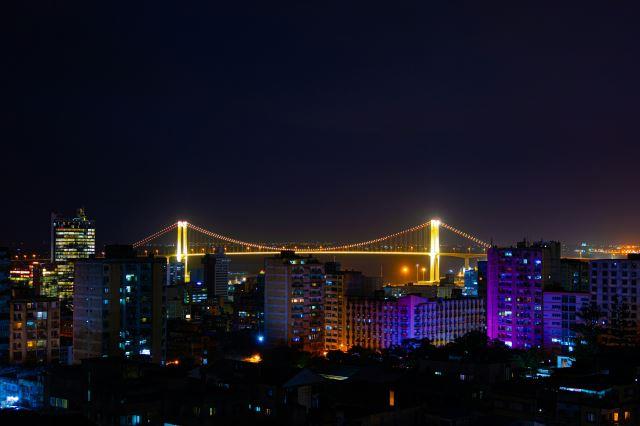
The coast is Catembe's principal natural attraction, with sandy beaches extending along the Maputo Bay shoreline and quieter stretches of coast farther south. The Maputo–Catembe Bridge is a prominent landmark, crossing the bay and providing broad views toward the city and surrounding waterways. The district is also positioned near routes leading south toward Ponta do Ouro and other coastal destinations. Around the shoreline, mangroves, tidal flats, and shallow waters form part of the broader Maputo Bay environment. Boat trips and coastal walks provide opportunities to observe the changing relationship between land, estuary, and bay.
Seafood forms an important part of food culture in Catembe and the wider Maputo coast, with locally caught fish, prawns, crab, and other marine foods commonly appearing in meals. Coconut, cassava, maize, and locally grown vegetables are also widely used in southern Mozambican cooking. Catembe's connection with the sea is reflected in its traditional fishing activities and the small boats found along the shoreline. A distinctive feature of the district is its position directly opposite Maputo: the capital's urban skyline can be viewed across the bay, while Catembe itself retains a more open, coastal landscape.
Other Popular Destinations in Mozambique